
UK inflation jumps to 3.5% as fuel prices surge ahead of Budget
UK inflation rose to 3.5% in September 2026, the highest rate in nearly a year, driven by soaring fuel prices ahead of Chancellor John Healey’s first Budget. The increase reflects global oil supply disruptions caused by conflicts in the Middle East and Europe, which have pushed petrol and diesel prices to their highest levels since August 2022.

Editor, Lazyfounder
30 SEC SUMMARY
- UK inflation rose to 3.5% in September 2026, the highest rate in almost a year, driven by surging fuel prices.
- Petrol and diesel prices reached their highest levels since August 2022 due to global oil supply constraints.
- Conflicts in the Middle East and Europe, including disruptions in the Strait of Hormuz, disrupted global oil supplies.
- Chancellor John Healey acknowledged the impact of these conflicts on UK prices ahead of his first Budget.
- Government borrowing in September rose to £25bn, £1.8bn more than the previous year.
TABLE OF CONTENTS
KEY HIGHLIGHTS
- UK inflation climbed to 3.5% in September 2026, up from 3.1% in August.
- Petrol prices rose by 8.2p per litre to 169.5p, the highest since August 2022, while diesel reached 192.5p per litre.
- Motor fuel prices surged by 29.8% in the period covered by the Office for National Statistics (ONS).
- Global oil supply disruptions, including the closure of the Strait of Hormuz and attacks on refining infrastructure, drove the increase.
- The UK government borrowed £25bn in September, £1.8bn more than the previous year, partly due to higher debt interest costs.
Inflation surge driven by fuel prices
UK inflation rose to 3.5% in the year to September 2026, up from 3.1% in August, according to the Office for National Statistics (ONS). This marks the highest inflation rate in almost a year.
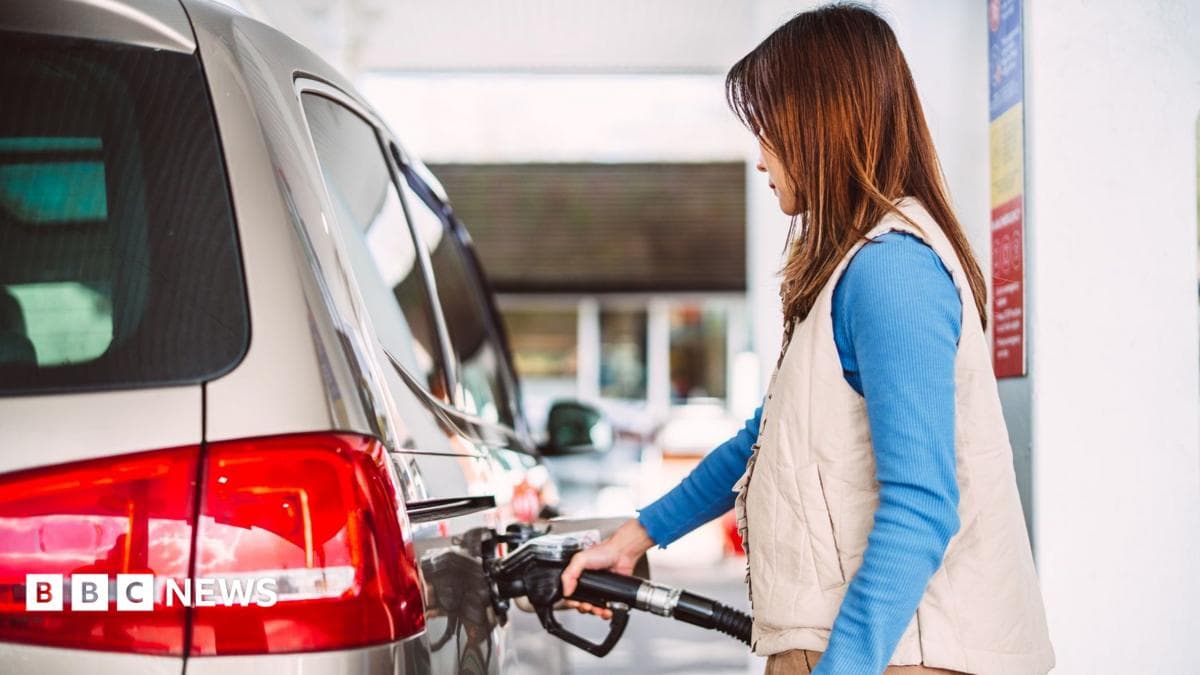
The increase was primarily driven by surging petrol and diesel prices. Petrol prices rose by 8.2p per litre to 169.5p, the highest level since August 2022. Diesel prices also climbed to 192.5p per litre. Overall, motor fuel prices jumped by 29.8% during the period covered by the ONS figures.
Global conflicts disrupt oil supplies
The rise in fuel prices was attributed to global oil supply constraints caused by conflicts in the Middle East and Europe. According to reports, the Strait of Hormuz, a critical supply route for crude oil, was effectively closed due to attacks by Iran following US and Israeli strikes. This disruption severely impacted global oil flows.
Additional pressure came from attacks on oil refining infrastructure in Russia and Ukraine, which further reduced global refining capacity. These conflicts have contributed to higher fuel costs worldwide, including in the UK.
Chancellor acknowledges price pressures ahead of Budget
Chancellor John Healey acknowledged the impact of global conflicts on UK prices ahead of his first Budget. Healey reportedly stated that price rises from conflicts in the Middle East and Europe are affecting Britain and countries globally.
The International Monetary Fund (IMF) recently praised the UK government for its "fiscal discipline," though the latest inflation figures add pressure to the government’s economic planning.
Government borrowing rises
The UK government borrowed £25bn in September 2026, £1.8bn more than the previous year. Higher inflation contributed to increased debt interest costs, adding strain to public finances.
In response to supply constraints, the government has approved plans to increase gas extraction from the North Sea’s Jackdaw field. However, this measure is unlikely to provide immediate relief to fuel prices.
Other sectors contribute to inflation
While fuel prices were the primary driver, other sectors also contributed to the inflation rise. Airfares, computer games, and live events saw price increases during the same period.
What this means
Lazyfounder analysis — our interpretation, not reported fact.
For founders and operators, this inflation surge is a reminder of how quickly external geopolitical events can disrupt costs and supply chains. Fuel-dependent businesses—such as logistics, transportation, and manufacturing—are likely feeling the sharpest pinch, but the ripple effects extend to consumer spending and discretionary sectors like entertainment and travel.
The government’s borrowing increase also signals tighter fiscal conditions, which could translate into higher taxes, reduced public spending, or both in the near future. Founders should factor in prolonged volatility in fuel and energy costs when planning budgets or pricing strategies. For startups in sectors like gaming or live events, where demand is sensitive to disposable income, rising prices could dampen consumer enthusiasm.
The emphasis on fiscal discipline from institutions like the IMF suggests the government may prioritize stability over stimulus, which could limit support for struggling sectors. Startups should prepare for a cautious economic environment and explore hedging strategies to mitigate fuel-related cost pressures.
Key takeaways
- Fuel-dependent businesses should prepare for prolonged cost volatility due to global oil supply disruptions.
- Founders in consumer-facing sectors (e.g., entertainment, travel) may see reduced demand as inflation erodes disposable income.
- Government borrowing and debt interest costs are rising, which could lead to tighter fiscal policies or tax increases in the future.
- Startups should explore hedging strategies or alternative suppliers to mitigate fuel and energy cost risks.
- Geopolitical conflicts remain a wild card—monitoring supply chain vulnerabilities is critical for operational resilience.
FAQ
Why did UK inflation rise to 3.5% in September 2026?
The increase was primarily driven by surging petrol and diesel prices, which reached their highest levels since August 2022. Global oil supply constraints, caused by conflicts in the Middle East and Europe, disrupted supply chains and pushed up fuel costs.
How did global conflicts impact UK fuel prices?
Conflicts in the Middle East and Europe, including the closure of the Strait of Hormuz and attacks on oil refining infrastructure, severely disrupted global oil supplies. This led to higher fuel prices in the UK and other countries.
What other sectors contributed to the inflation rise?
While fuel prices were the main driver, rising costs for airfares, computer games, and live events also contributed to the inflation increase.
How might this affect government policy in the upcoming Budget?
Chancellor John Healey acknowledged the impact of global conflicts on UK prices, which could influence fiscal decisions in his first Budget. The government may prioritize measures to stabilize fuel costs or support affected industries, though fiscal discipline remains a focus.
Related on Lazyfounder
Sources
- BBC News (Tech & Business) · 2026-10-21
Surging fuel prices push UK inflation rate to 3.5% ahead of Budget - BBC News (Tech & Business) · 2026-10-21
Surging fuel prices push UK inflation rate to 3.5% ahead of Budget
This story is an original summary drafted with AI by Lazyfounder from the reporting listed above and checked by automated validation. Facts are attributed to their original publishers; sections marked as analysis are Lazyfounder's. Where a source is in another language, facts were machine-translated and quotations are reported, not reproduced. Read the original coverage via the links, and see our AI policy and corrections policy.

About the author
Editor, Lazyfounder
Tarun Mottlia edits LazyFounders, covering Indian startups, funding rounds, AI and product launches. Every story on the site is AI-assisted and checked against its cited sources before publication.
More stories by Tarun MottliaGet the LazyFounder Brief
Startup, funding and AI news in a five-minute read. Join the early-access list.
