
Twiga Foods enters administration after $185 million raise
Twiga Foods, the Kenyan agribusiness startup that raised over $185 million to formalise fresh produce distribution in East Africa, has entered statutory administration. The collapse follows years of efforts to replace informal market brokers with a venture-backed distribution model, highlighting structural challenges in managing margins, credit risks, and operational costs.

Editor, Lazyfounder
What triggered the administration
Twiga Foods, operating as GT Flow Limited since its rebranding, entered statutory administration in August 2026. The company’s remaining assets were transferred to Templar Field Limited in September 2026, with Mohamed A. Mohamed of Maawiy Financial Advisory Services appointed as administrator for both entities.
The immediate cause was a failed restructuring plan leaked in April 2025, which proposed transferring Twiga’s brand and core assets into a new corporate shell—dubbed "NewCo"—while leaving legacy liabilities behind. The plan did not materialise, and the company’s obligations, including logistics infrastructure, technology costs, and long-term leases, became unsustainable as cash flow dwindled.
Funding and operational missteps
Twiga raised over $185 million in equity and debt, including a $35 million convertible bond in December 2023 led by Creadev and Juven. Co-founder Peter Njonjo also injected $1 million of personal capital that month but resigned from the board in 2024.
Under former Jumia executive Charles Ballard, who joined as CEO, Twiga cut over 600 roles between 2023 and 2025. The company abandoned its custom-built distribution hub at Tatu City in mid-2025, shifting strategy to acquire controlling stakes in three traditional FMCG distributors: Jumra, Sojpar, and Raisons. These acquisitions added distribution volumes but failed to generate enough cash to service debts, compounding financial strain.
Why the model struggled
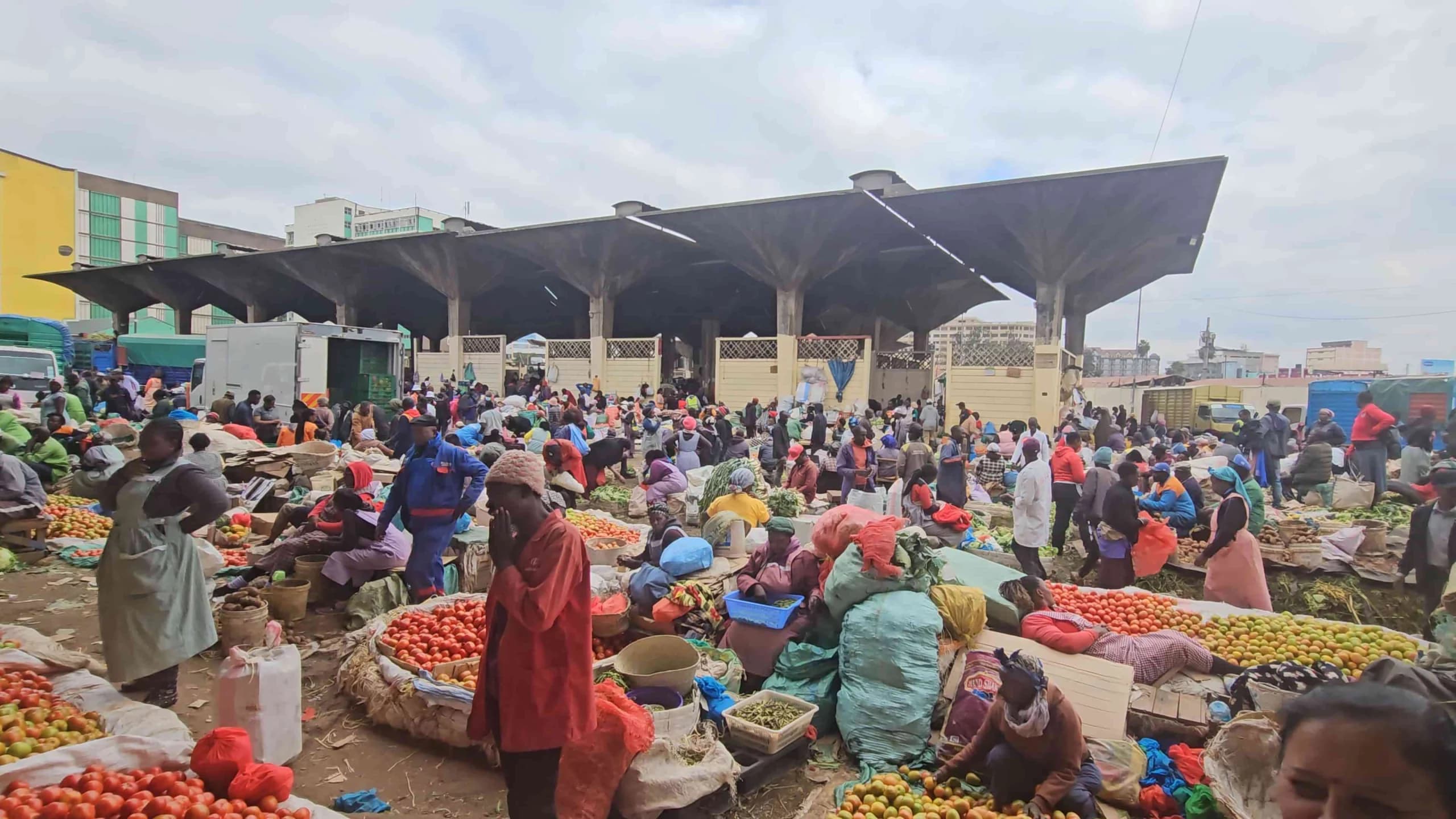
Twiga’s business model aimed to replace informal market brokers—who manage credit through relational capital and market exclusion—with a formalised, technology-driven distribution network. However, operating at thin gross margins of 5% to 8% left little room for error. A single damaged shipment could erase profits from multiple successful deliveries, making sustainability difficult.
The company also faced challenges in replicating the flexibility of informal credit systems, where brokers leverage personal relationships to enforce repayment. Without this, Twiga’s trade credit became a liability, mirroring struggles faced by peers like MarketForce, iProcure, and Copia, which also grappled with defaults and insolvency.
A broader trend of consolidation is visible in the sector. Wasoko and MaxAB, for example, merged operations across North and East Africa in 2025 to reduce burn rates after recognising that scaling B2B retail distribution often magnified losses.
What this means
Lazyfounder analysis — our interpretation, not reported fact.
Twiga Foods’ collapse is a cautionary tale for startups attempting to disrupt informal trade networks with venture-backed models. The challenge lies not just in digitising distribution but in replicating the relational dynamics of informal credit—where trust, exclusion, and immediate consequences enforce discipline. For founders in similar markets, Twiga’s failure underscores the need to stress-test assumptions about margins, credit risk, and scalability before expanding. The trend of defensive mergers (e.g., Wasoko-MaxAB) suggests that consolidation, rather than standalone growth, may be the next phase for struggling players in this space.
Related on Lazyfounder
Sources
- TechCabal · 2026-10-26
The Next Wave: The high cost of cutting out the middleman
This story is an original summary drafted with AI by Lazyfounder from the reporting listed above and checked by automated validation. Facts are attributed to their original publishers; sections marked as analysis are Lazyfounder's. Where a source is in another language, facts were machine-translated and quotations are reported, not reproduced. Read the original coverage via the links, and see our AI policy and corrections policy.

About the author
Editor, Lazyfounder
Tarun Mottlia edits LazyFounders, covering Indian startups, funding rounds, AI and product launches. Every story on the site is AI-assisted and checked against its cited sources before publication.
More stories by Tarun MottliaGet the LazyFounder Brief
Startup, funding and AI news in a five-minute read. Join the early-access list.
