
Trump’s 2026 Mail-In Voting Order: How USPS Became a Political Battleground
A ProPublica investigation, reported by Gizmodo, reveals how the Trump administration’s March 2026 executive order sought to federalize mail-in voting through the U.S. Postal Service—including ID checks by postal workers and ballot design approvals. The Supreme Court struck down the order but left room for DHS to assist states in purging voter rolls, highlighting ongoing tensions over election oversight.

Editor, Lazyfounder
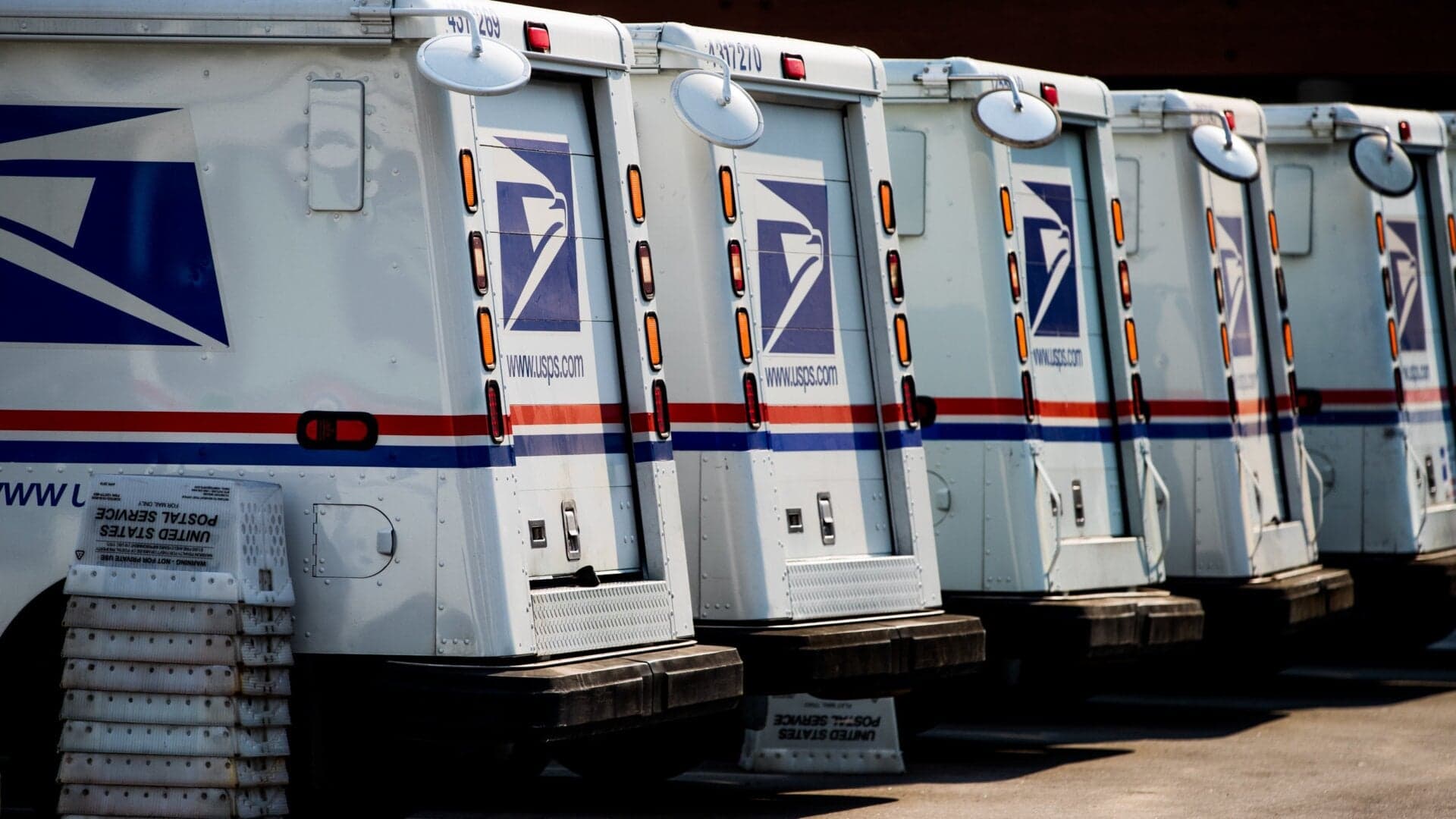
A ProPublica investigation, reported by Gizmodo, reveals how the Trump administration’s March 2026 executive order sought to federalize mail-in voting through the U.S. Postal Service—including ID checks by postal workers and ballot design approvals. The Supreme Court struck down the order but left room for DHS to assist states in purging voter rolls, highlighting ongoing tensions over election oversight.
30 SEC SUMMARY
- The Trump administration reportedly explored policies to exert federal control over mail-in voting via the U.S. Postal Service (USPS), including ID checks by postal workers.
- A March 2026 executive order proposed special envelopes for ballots and pre-approval of designs by USPS, but the Supreme Court struck it down.
- The order would have required postal workers to deliver ballots only to pre-approved voter lists and return entire batches for minor errors.
- Certified Mail requirements, which would have mandated ID checks, were abandoned due to impracticality after internal opposition.
- SCOTUS allowed the Department of Homeland Security to assist states in identifying non-citizens on voter rolls, despite federal laws restricting removals near elections.
TABLE OF CONTENTS
- Trump Administration Pushed for Federal Control Over Mail-In Voting
- Executive Order Proposed Sweeping Changes to Ballot Handling
- Certified Mail Requirement Abandoned Amid Opposition
- USPS Board Feared Retaliation for Resistance
- Supreme Court Strikes Down Order but Allows Voter Roll Purges
- What this means
- Key takeaways
- FAQ
- Sources
KEY HIGHLIGHTS
- A March 2026 executive order proposed requiring all mail-in ballots to use special envelopes approved by the U.S. Postal Service, with nearly 10,000 jurisdictions needing pre-approval.
- Postal workers would have been directed to deliver ballots only to pre-approved voter lists and return entire batches for minor errors, creating potential delays.
- The White House initially pushed for ballots to be sent via Certified Mail, mandating ID checks by postal workers, but abandoned the plan due to logistical challenges.
- The USPS Board of Governors resisted the order, fearing reprisals from Trump, who had previously fired officials from independent agencies.
- The Supreme Court struck down the executive order but permitted the Department of Homeland Security to help states identify non-citizens on voter rolls, despite federal laws barring systematic removals near elections.
Trump Administration Pushed for Federal Control Over Mail-In Voting
According to a ProPublica investigation cited by Gizmodo, the Trump administration attempted to centralize control over mail-in voting through the U.S. Postal Service (USPS) in early 2026. The effort included proposals to require postal workers to conduct identity checks on voters submitting ballots by mail, a measure that faced significant legal and logistical challenges.
Executive Order Proposed Sweeping Changes to Ballot Handling
In March 2026, President Trump signed an executive order that sought to overhaul mail-in voting procedures. The order mandated the use of special envelopes for all ballots, which would have required new printing equipment and pre-approval of designs by the USPS. Nearly 10,000 voting jurisdictions across the U.S. would have needed USPS sign-off on their ballot designs before elections.
The order also directed postal workers to deliver ballots exclusively to pre-approved lists of mail-in voters. If any ballot in a batch contained errors—even minor ones—the entire batch would have been returned to local election officials for review and resubmission. This provision raised concerns about widespread delays and disenfranchisement.
Additionally, the order called for coordination between the USPS, the Department of Homeland Security (DHS), and the Commerce Secretary, Howard Lutnick, to enforce the new rules. Internal documents reportedly suggested the postmaster general’s role would have been reduced to implementing directives under Lutnick’s oversight.
Certified Mail Requirement Abandoned Amid Opposition
The Trump administration initially demanded that all mail-in ballots be sent via Certified Mail, a service that requires the recipient—or, in this case, the voter—to present identification to a postal worker. The fee for Certified Mail is $5.55 per item, and the White House intended for local governments to absorb these costs.
The plan faced immediate pushback due to its impracticality. In the 2024 general election, over 48 million Americans voted by mail, making the requirement logistically untenable. The proposal was eventually scrapped, though the broader executive order remained in effect until the Supreme Court intervened.
USPS Board Feared Retaliation for Resistance
Gizmodo reported that members of the USPS Board of Governors feared reprisals if they resisted the executive order. Trump had a history of dismissing officials in independent agencies who opposed his policies, and board members reportedly believed pushing back could lead to their removal.
This climate of intimidation underscored the administration’s intent to enforce the order despite potential legal and operational obstacles. The USPS, a historically independent agency, faced unprecedented pressure to comply with election-related directives.
Supreme Court Strikes Down Order but Allows Voter Roll Purges
The Supreme Court invalidated Trump’s March 2026 executive order, ruling that it exceeded federal authority over election procedures. However, the Court allowed a provision permitting the Department of Homeland Security to assist states in identifying alleged non-citizens on voter rolls.
Federal law prohibits the systematic removal of registered voters within 90 days of an election. Despite this, Trump and Republican allies argued that purges targeting non-citizens are individualized and thus permissible. Critics contend this interpretation could enable widespread voter disenfranchisement under the guise of preventing fraud.
The League of Women Voters and the Electronic Privacy Information Center warned that such measures could disproportionately impact marginalized communities and erode trust in the electoral process.
What this means
Lazyfounder analysis — our interpretation, not reported fact.
This episode highlights how federal overreach into election administration can create chaos, even when the policies are ultimately blocked. For founders and operators, there are two key takeaways:
First, regulatory uncertainty—whether driven by courts, agencies, or political shifts—can disrupt even well-established systems like mail-in voting. Businesses in adjacent spaces (e.g., election tech, logistics, or civic infrastructure) should stress-test their models against sudden policy changes, especially during election cycles.
Second, the blurred line between federal authority and state-level election oversight underscores the risks of operating in politically sensitive sectors. The Supreme Court’s decision to allow DHS involvement in voter roll purges, despite federal guardrails, shows how legal loopholes can reshape compliance landscapes overnight. Startups in this space may need contingency plans for rapid shifts in enforcement priorities or judicial interpretations.
Key takeaways
- The Trump administration sought to expand federal oversight of mail-in voting through executive action, targeting USPS processes and voter identification.
- Proposed measures included stringent requirements for ballot envelopes, pre-approval of ballot designs, and coordination with federal agencies like DHS.
- The Supreme Court invalidated the March 2026 executive order but permitted DHS to support states in purging alleged non-citizens from voter rolls.
- Logistical challenges and legal constraints led to the abandonment of some proposals, such as Certified Mail requirements for ballots.
- Efforts to tighten election procedures persist despite widespread consensus that voter fraud is rare in the U.S.
FAQ
What was the Trump administration’s March 2026 executive order about?
The order aimed to federalize mail-in voting by requiring special ballot envelopes pre-approved by the U.S. Postal Service, directing postal workers to deliver ballots only to pre-approved voter lists, and mandating coordination with federal agencies like DHS and the Commerce Department.
Why was the Certified Mail requirement abandoned?
The requirement, which would have mandated ID checks by postal workers for mail-in ballots, was scrapped due to logistical challenges. Over 48 million Americans voted by mail in 2024, making the proposal impractical and costly for local governments.
What did the Supreme Court decide about the executive order?
The Supreme Court struck down the executive order but allowed the Department of Homeland Security to assist states in identifying alleged non-citizens on voter rolls, despite federal laws barring systematic voter removals near elections.
How did the USPS Board of Governors respond to the order?
According to reports, members of the USPS Board of Governors feared reprisals from Trump if they resisted the order. Trump had previously fired officials in independent agencies, creating a climate of intimidation.
Are voter roll purges legal under federal law?
Federal law prohibits systematic removals of registered voters within 90 days of an election. However, Trump and allies argued that purges targeting alleged non-citizens are individualized and thus permitted. Legal experts dispute this interpretation.
Related on Lazyfounder
Sources
- Gizmodo · 2026-09-29
Trump Wanted to Force Postal Workers to Conduct Identity Checks on Mail-in Voters
This story is an original summary drafted with AI by Lazyfounder from the reporting listed above and checked by automated validation. Facts are attributed to their original publishers; sections marked as analysis are Lazyfounder's. Where a source is in another language, facts were machine-translated and quotations are reported, not reproduced. Read the original coverage via the links, and see our AI policy and corrections policy.

About the author
Editor, Lazyfounder
Tarun Mottlia edits LazyFounders, covering Indian startups, funding rounds, AI and product launches. Every story on the site is AI-assisted and checked against its cited sources before publication.
More stories by Tarun MottliaGet the LazyFounder Brief
Startup, funding and AI news in a five-minute read. Join the early-access list.
