
Tech journalism ethics under scrutiny amid Theranos documentary and AI risks
A new documentary on Elizabeth Holmes and the Theranos fraud has reignited debates about tech journalism’s ethical boundaries, the influence of access journalism, and the risks of deception in AI-driven startups. Journalist Justin Caffier’s reflections on Nathan Fielder’s You Can See Everything and Tyler Shultz’s warnings about AI due diligence highlight systemic challenges in reporting, investing, and whistleblower protections.

Editor, Lazyfounder
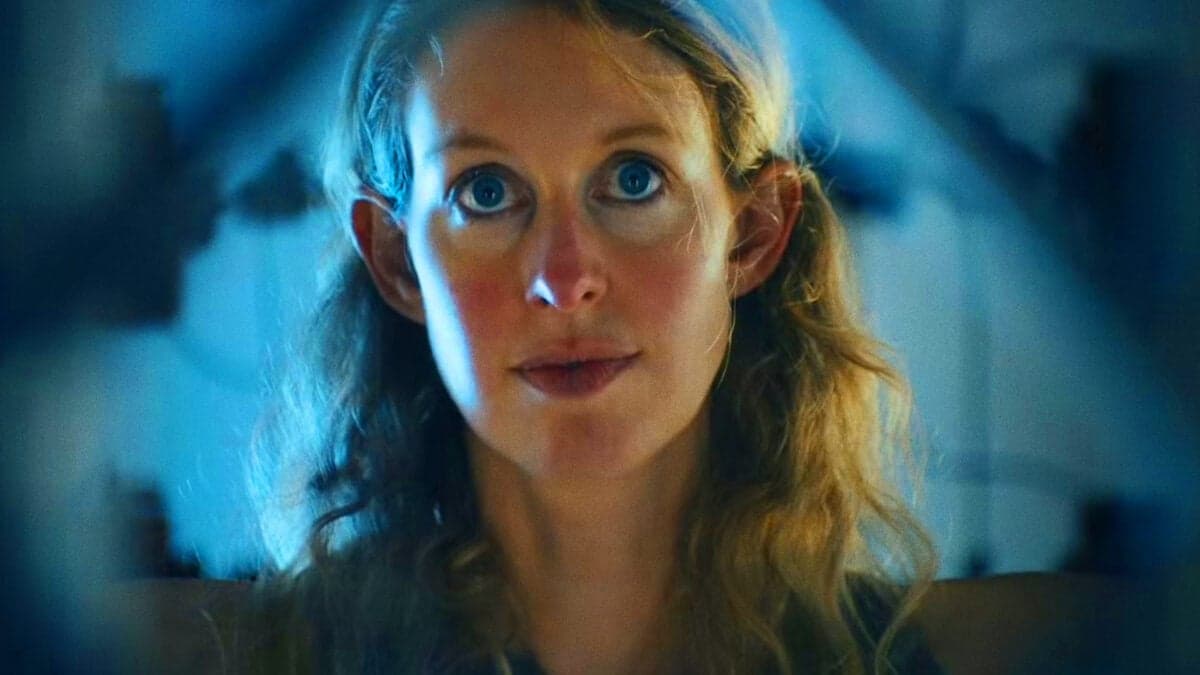
TABLE OF CONTENTS
Documentary prompts reckoning for tech journalism
Nathan Fielder’s documentary You Can See Everything, which examines Elizabeth Holmes and the Theranos scandal, has sparked broader questions about narrative control and truth in journalism. According to Gizmodo, the film expanded to 2,655 screens in its second weekend, signaling its cultural impact. The documentary’s exploration of Holmes’ story—including Fielder’s access to her during her final weeks of freedom—has led journalists to confront uncomfortable questions about the ethical compromises inherent in tech reporting.
Justin Caffier, writing for Gizmodo, reflects on how Fielder’s work challenged his own assumptions about journalism. He critiques the industry’s reliance on press trips, gifts, and access journalism, which often blur the lines between objectivity and industry influence. Caffier’s recent experience with NordVPN, which flew him to Vilnius for a press trip, underscored these tensions. While he explicitly states he is not comparing NordVPN to Theranos, the episode highlights how easily journalistic independence can be compromised.
Access journalism and the eroding firewall
The Theranos scandal exposed how access journalism—where reporters cultivate relationships with sources in exchange for exclusives—can obscure critical scrutiny. Roger Parloff, the Fortune journalist who wrote a glowing cover story on Theranos, later admitted he lacked the technical expertise to challenge Holmes’ claims. According to Gizmodo, Parloff’s article elevated Holmes’ profile while unwittingly aiding the company’s fraud.
Caffier argues that this dynamic persists across the industry. Legacy media outlets have replaced seasoned reporters with influencers and content creators, further weakening accountability. The rise of sponsored content and undisclosed partnerships has created a landscape where objectivity is increasingly rare. As Caffier notes, the FTC rarely enforces rules on influencer disclosures, and platforms often ignore violations.
Whistleblower warns of AI’s deception risks
Tyler Shultz, the Theranos whistleblower, has turned his focus to the risks of deception in AI. In an interview with The Next Web, he warned that AI technologies are difficult to vet, making it easy for companies to fake capabilities. Shultz emphasized that investors must conduct rigorous due diligence, as few laws currently govern AI development or protect whistleblowers.
Shultz’s experience at Theranos underscores the challenges employees face when raising concerns. He described signing overbearing NDAs that deterred him from seeking legal advice or contacting regulators. He eventually used a fake name to report Theranos’ practices, a tactic he now advocates improving for others. His efforts to connect whistleblowers with contingency-based legal resources aim to address gaps in protections for tech workers.
The legal fallout from Theranos—including 11-year sentences for Holmes and her former partner, Sunny Balwani—has not deterred similar risks in AI. Shultz cautioned that AI startups could replicate Theranos’ deceptive playbook, particularly as investors race to fund unproven technologies without sufficient scrutiny.
Context from earlier reporting
The Theranos scandal remains a cautionary tale for Silicon Valley, where rapid innovation often outpaces accountability. Earlier reporting by Lazyfounder highlighted how AI firms like OpenAI and Google are navigating legal challenges, including copyright lawsuits and regulatory scrutiny. These cases reveal tensions between innovation and ethical safeguards, much like those exposed by Theranos.
The Wikimedia Foundation’s recent amicus brief in The New York Times’ lawsuit against OpenAI also mirrors concerns about transparency and accountability in AI. The foundation argued for a balanced approach to fair use, warning that extreme interpretations could either stifle innovation or create a closed web. This debate parallels Shultz’s warnings about AI due diligence and the need for clearer rules to prevent fraud.
What this means
Lazyfounder analysis — our interpretation, not reported fact.
For founders and operators, the renewed scrutiny of Theranos and the risks of AI deception serve as a reminder of the fragility of trust in tech. The documentary and Shultz’s warnings highlight how easily PR narratives can override due diligence, particularly in sectors where expertise is scarce or regulatory oversight is weak. Startups in AI and other emerging fields must recognize that ethical shortcuts—whether in journalism, investing, or internal whistleblower protections—can have long-term consequences. The Theranos case showed that institutional backing can shield even fraudulent companies for years, but once cracks appear, the fallout is irreversible. Operators should prioritize transparency and rigorous internal checks to avoid repeating history.
Related on Lazyfounder
Sources
- Gizmodo · 2026-10-31
What Nathan Fielder’s ‘You Can See Everything’ Taught Me About Tech Journalism - The Next Web · 2026-10-31
AI is easy to fake, Theranos whistleblower Tyler Shultz tells SF Standard
This story is an original summary drafted with AI by Lazyfounder from the reporting listed above and checked by automated validation. Facts are attributed to their original publishers; sections marked as analysis are Lazyfounder's. Where a source is in another language, facts were machine-translated and quotations are reported, not reproduced. Read the original coverage via the links, and see our AI policy and corrections policy.

About the author
Editor, Lazyfounder
Tarun Mottlia edits LazyFounders, covering Indian startups, funding rounds, AI and product launches. Every story on the site is AI-assisted and checked against its cited sources before publication.
More stories by Tarun MottliaGet the LazyFounder Brief
Startup, funding and AI news in a five-minute read. Join the early-access list.
