
Tata Sons chairman reappointment faces governance dispute over Article 118
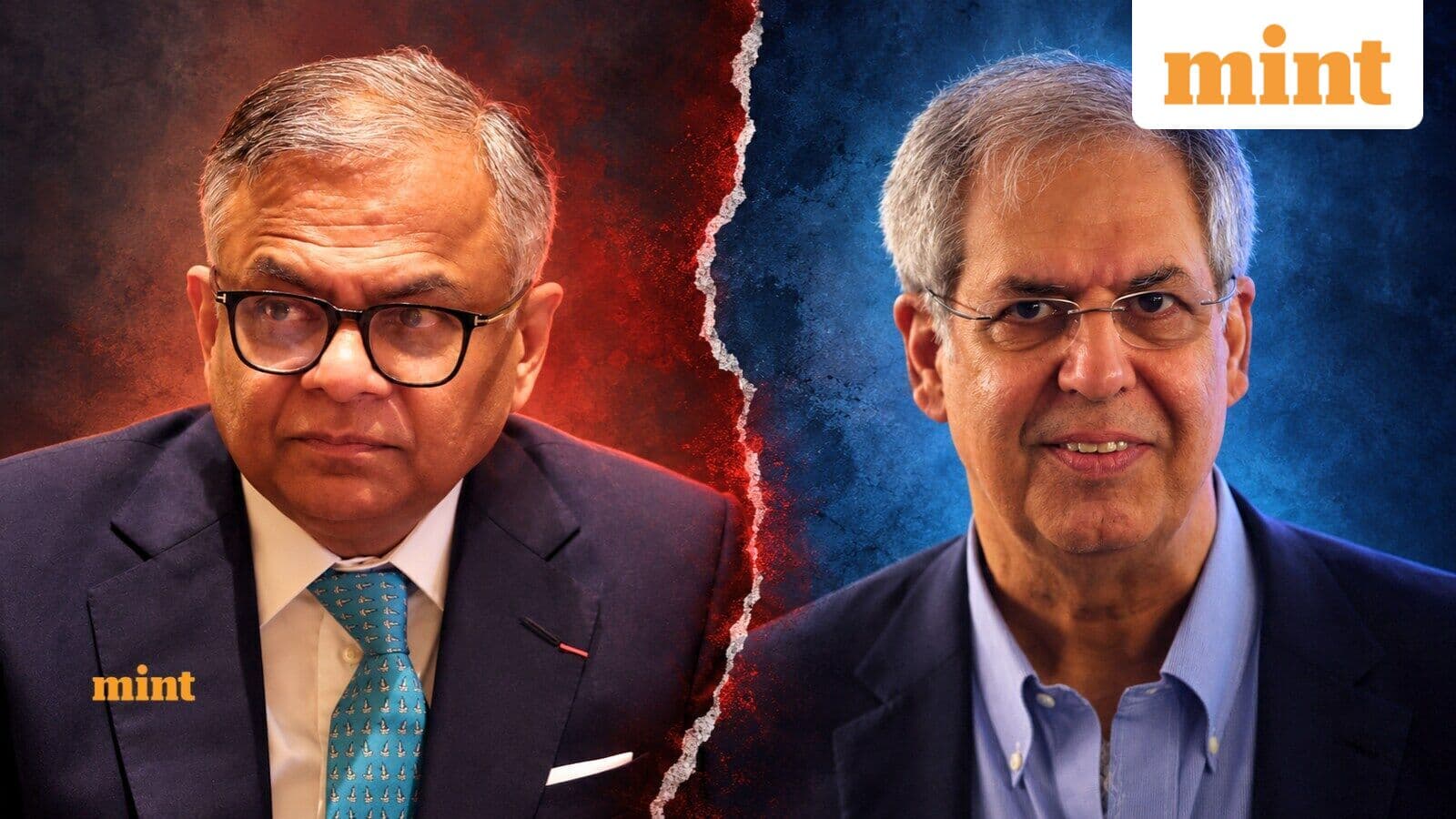
Tata Sons, India’s largest conglomerate, is facing a governance dispute over the reappointment of N Chandrasekaran as chairman. The controversy centers on whether the process complied with Article 118 of the company’s Articles of Association, which mandates a selection committee for appointing the chairman. Tata Trusts chairman Noel Tata has opposed the reappointment, calling it invalid.

Editor, Lazyfounder
30 SEC SUMMARY
- N Chandrasekaran’s reappointment as Tata Sons chairman faces scrutiny over compliance with the company’s Articles of Association, particularly Article 118.
- Article 118 mandates a selection committee for appointing the chairman, but the latest reappointment resolution did not cite it.
- Noel Tata, chairman of Tata Trusts, opposed the reappointment, arguing the process violated company rules and lacked majority support.
- Tata Trusts considers the reappointment invalid due to procedural concerns, while Tata Sons defends it based on legal advice.
- The dispute highlights governance challenges in one of India’s largest conglomerates.
TABLE OF CONTENTS
KEY HIGHLIGHTS
- N Chandrasekaran’s reappointment as Tata Sons chairman for a third term is under dispute due to alleged non-compliance with Article 118 of the company’s Articles of Association.
- Article 118 requires a selection committee to recommend a chairman, while Article 121 demands majority support from Tata Trusts’ nominees.
- Noel Tata opposed the reappointment, stating no selection committee was formed and the process violated Article 118.
- The reappointment was approved by a casting vote after Tata Trusts’ nominees were divided, leading Tata Trusts to declare it invalid.
- The latest resolution omits specific articles, unlike previous appointments in 2017 and 2022.
Why Article 118 is at the center of the dispute
According to Mint, Article 118 of Tata Sons’ Articles of Association requires a selection committee to recommend a candidate for the chairman’s role. This article has been a key part of the appointment process in previous resolutions, including N Chandrasekaran’s appointments in 2017 and 2022.
Article 105, which governs the chairman’s pay and management powers, was also cited in earlier resolutions but is not mentioned in the latest reappointment filing. Instead, the latest resolution refers generally to the Articles of Association without naming specific articles.
Legal experts suggest the vague wording of the latest resolution could create grounds for challenging its validity. Noel Tata, chairman of Tata Trusts, argues that Article 118 applies to reappointments as well and that no selection committee was formed for Chandrasekaran’s latest term.
How the reappointment was approved
The reappointment of N Chandrasekaran was approved at a Tata Sons board meeting on 17 September. According to reports, Noel Tata opposed the move, arguing that the process violated Article 118 and that the 2022 meeting records, which showed compliance with the article, were not presented.
Venu Srinivasan, another Tata Trusts nominee, supported the reappointment, while Harish Manwani used a casting vote to break the deadlock. This division among Tata Trusts’ nominees led the Trusts to argue that the reappointment lacked the majority support required under Article 121 of the Articles of Association.
Tata Trusts has since declared the reappointment invalid, while Tata Sons has defended the process, citing legal advice.
Governance challenges in Tata Sons
This dispute is part of a broader governance conflict within Tata Sons, involving its controlling shareholder, Tata Trusts, and the company’s board. Earlier this year, Tata Trusts proposed merging two operating companies with Tata Sons to avoid regulatory pressures, including a potential public listing mandated by the Reserve Bank of India.
The friction highlights long-standing tensions over leadership, regulatory compliance, and strategic direction in one of India’s most prominent conglomerates.
What this means
Lazyfounder analysis — our interpretation, not reported fact.
This dispute underscores the importance of adhering to corporate governance frameworks, even for well-established companies. For founders and operators, the lesson is clear: procedural compliance is not just a formality but a safeguard against legal and reputational risks. While Tata Sons may have relied on legal advice, the lack of clarity in the reappointment resolution and the absence of a selection committee have created fertile ground for challenges. This situation also reflects the broader challenges conglomerates face when balancing shareholder interests, regulatory demands, and leadership continuity.
Key takeaways
- Governance rules matter: Founders and operators should ensure compliance with internal corporate governance frameworks, especially during leadership transitions, to avoid disputes.
- Selection committees add legitimacy: Even for reappointments, adhering to formal selection processes can prevent challenges from shareholders or trustees.
- Legal advice is not a substitute for process: While legal counsel can guide decisions, it may not resolve disputes if stakeholders perceive procedural violations.
- Majority support is critical: Securing clear majority backing from key stakeholders reduces the risk of invalidation or prolonged conflicts.
- Documentation clarity avoids ambiguity: Explicitly citing governing articles in resolutions can prevent challenges based on procedural grounds.
FAQ
What is Article 118 of Tata Sons’ Articles of Association?
Article 118 requires a selection committee to recommend a candidate for the chairman’s role at Tata Sons. It has been cited in previous appointments but was not explicitly mentioned in the latest reappointment resolution for N Chandrasekaran.
Why does Tata Trusts consider the reappointment invalid?
Tata Trusts argues that the reappointment lacked majority support from its nominees, as required by Article 121, and that the process violated Article 118 by not forming a selection committee.
What role did Noel Tata play in the dispute?
Noel Tata, chairman of Tata Trusts, opposed the reappointment, claiming the process did not comply with Article 118 and that the board did not review records from the 2022 reappointment meeting.
Related on Lazyfounder
Sources
- Mint (Technology) · 2026-10-19
Tata Sons row: What is Article 118, and why does it matter for N Chandrasekaran's third term? | Explained
This story is an original summary drafted with AI by Lazyfounder from the reporting listed above and checked by automated validation. Facts are attributed to their original publishers; sections marked as analysis are Lazyfounder's. Where a source is in another language, facts were machine-translated and quotations are reported, not reproduced. Read the original coverage via the links, and see our AI policy and corrections policy.

About the author
Editor, Lazyfounder
Tarun Mottlia edits LazyFounders, covering Indian startups, funding rounds, AI and product launches. Every story on the site is AI-assisted and checked against its cited sources before publication.
More stories by Tarun MottliaGet the LazyFounder Brief
Startup, funding and AI news in a five-minute read. Join the early-access list.
