

Tamil Nadu extends maternity leave for third child to 365 days for women employees
The Tamil Nadu government has increased maternity leave for women employees for the birth of a third child from 12 weeks to 365 days. The policy now matches the benefit already available for the first two children, as reported by YourStory.

Editor, Lazyfounder
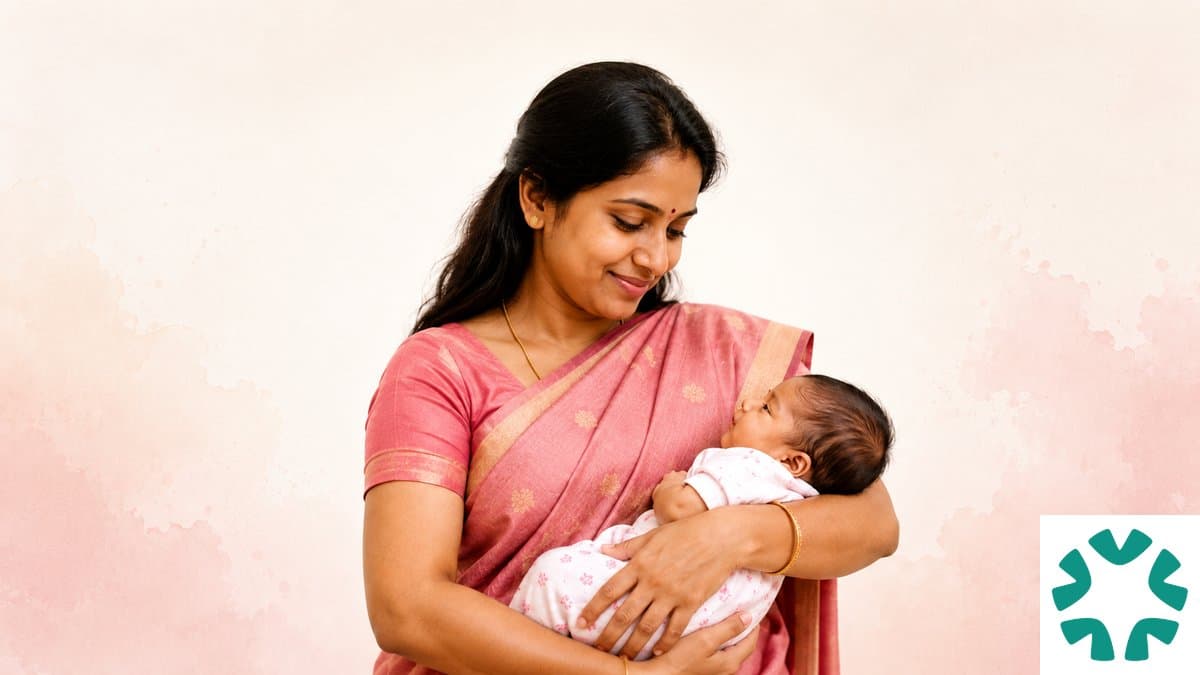
Policy change for women government employees
The Tamil Nadu government has announced an extension of maternity leave for women employees from 12 weeks to 365 days for the birth of a third child. This change aligns the benefit with the existing policy for the first two children, which already provided a year of leave.
According to YourStory, the decision was announced by Minister for Human Resources Management, D Sarathkumar, during a demand for grants in the state Assembly. The minister stated that the move reflects the government’s focus on social welfare and women’s empowerment.
Eligibility and existing framework
The 365-day maternity leave benefit currently applies to regular female government employees with fewer than two surviving children. Women employees with two or more surviving children were previously entitled to 12 weeks of leave, a policy that remains unchanged for cases beyond the third child.
The source adds that the eligibility framework aligns with directives from the Apex Court and state amendments, ensuring compliance with legal standards.
Historical context of maternity leave in Tamil Nadu
Maternity leave for women government employees in Tamil Nadu has undergone several revisions over the past decade and a half. The original 90-day leave was extended to six months in 2011, then to nine months in 2016, and finally to 365 days in July 2021. These changes were introduced by successive state governments led by the AIADMK and the DMK.
What this means
Lazyfounder analysis — our interpretation, not reported fact.
This policy change removes a disincentive for women in Tamil Nadu’s government workforce who may have considered expanding their families. For founders and operators—especially those running businesses in Tamil Nadu or employing women in the state—it signals a broader trend toward progressive employment benefits. While this policy applies only to government employees, private sector employers may face growing expectations to match such benefits, particularly in industries competing for female talent. The move also reinforces Tamil Nadu’s reputation as a state prioritizing social welfare, which could influence talent attraction and retention strategies for businesses operating there.
Sources
This story is an original summary drafted with AI by Lazyfounder from the reporting listed above and checked by automated validation. Facts are attributed to their original publishers; sections marked as analysis are Lazyfounder's. Where a source is in another language, facts were machine-translated and quotations are reported, not reproduced. Read the original coverage via the links, and see our AI policy and corrections policy.

About the author
Editor, Lazyfounder
Tarun Mottlia edits LazyFounders, covering Indian startups, funding rounds, AI and product launches. Every story on the site is AI-assisted and checked against its cited sources before publication.
More stories by Tarun MottliaGet the LazyFounder Brief
Startup, funding and AI news in a five-minute read. Join the early-access list.
