
Synchron pauses brain-implant trials to fix hardware glitch, restructures team
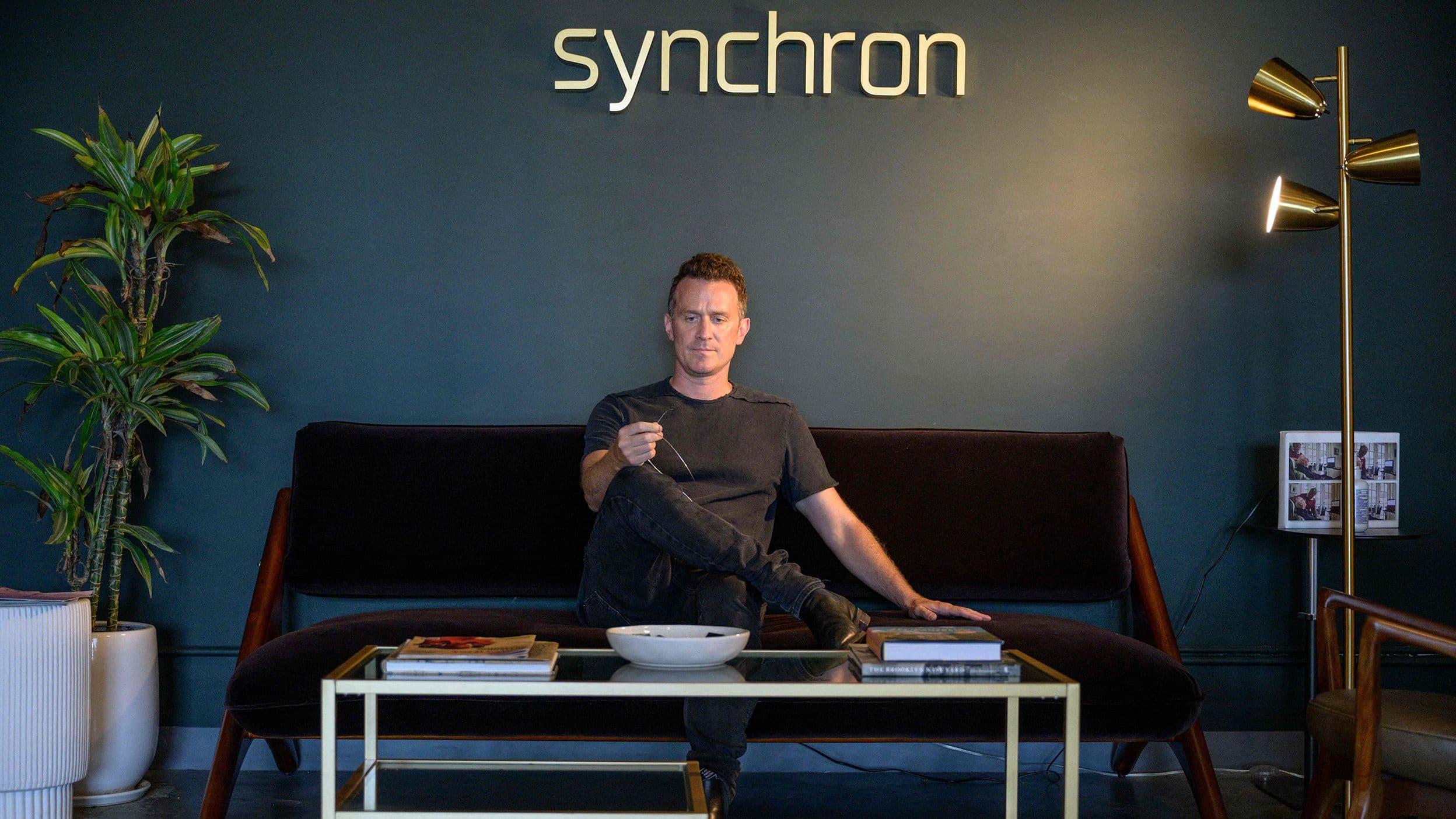
Synchron has halted trials of its second-generation Stentrode brain-computer interface after spotting a performance issue in the device’s lead component. The Brooklyn startup is now upgrading its hardware and restructuring its team—cutting jobs in New York while expanding in San Diego. Existing trial participants continue to use the device, and the company plans to restart enrollment once the fixes are in place.

Editor, Lazyfounder
30 SEC SUMMARY
- Synchron has paused trials of its second-generation Stentrode brain-computer interface after discovering a performance issue with the device’s lead component.
- The company is upgrading its hardware and restructuring operations, including job cuts in New York and expansion in San Diego.
- Synchron’s first-generation Stentrode enabled volunteers to control devices like Amazon Alexa and Apple’s iPad using only their thoughts.
- The company was valued at nearly $1 billion after a $200 million funding round led by Khosla Ventures last fall.
- Synchron faces competition from Neuralink and Merge Labs, both of which are advancing their own brain-computer interface technologies.
TABLE OF CONTENTS
Trials paused after performance issue found
Synchron has paused trials of its second-generation Stentrode brain-computer interface. The Brooklyn startup found a performance issue in the lead component, which carries signals from the implant to the device’s electronics. The company confirmed the pause was voluntary, with no safety concerns reported to the FDA. The Stentrode implant itself remains in use by existing trial participants.
How Synchron’s Stentrode avoids brain surgery
The Stentrode is inserted into the jugular vein at the base of the neck and guided to sit on top of the brain’s motor cortex. Unlike Neuralink’s surgical implant, Synchron’s device avoids brain surgery by using the blood vessels as a pathway. Ten volunteers with the first-generation Stentrode have already used it to control Amazon Alexa, Apple’s iPad, and Vision Pro—hands-free. They’ve sent emails, browsed the internet, and managed online banking using only their thoughts.
Upgrades underway as FDA approval looms
Synchron is overhauling the entire Stentrode system, not just the faulty lead. The company expects to resume trial enrollment once the upgrades are complete, though it hasn’t shared a timeline. Two of the five U.S. trial sites have already confirmed recruitment is on hold. These trials are essential for gathering data the FDA will need to review before the device can hit the market.
“These trials are critical for advancing the Stentrode toward a larger pivotal trial required for FDA marketing approval,” Synchron CEO Tom Oxley told WIRED.
Job cuts in New York, hiring in San Diego
Synchron is cutting jobs in New York while hiring in San Diego. The company’s website and LinkedIn page list about a dozen openings for engineers, microchip designers, and materials scientists. The San Diego team will focus on manufacturing the upgraded Stentrode and a new, undisclosed device.
Oxley has previously said the goal is to build a device capable of reaching multiple brain regions for more complex tasks. The shift reflects a broader push to scale production and refine the technology.
Synchron races against Neuralink and Merge Labs
Synchron faces stiff competition. Neuralink, valued as high as $42 billion this summer, struggled earlier this year when its first human implant malfunctioned. Meanwhile, Merge Labs, cofounded by OpenAI CEO Sam Altman, just raised $252 million to develop AI-powered brain-computer interfaces. Both companies are working to decode brain signals faster and more accurately than older algorithms.
Synchron’s $200 million funding round last fall, led by Khosla Ventures, valued the company at nearly $1 billion. Investors include the venture arms of Bill Gates and Jeff Bezos.
What this means
Lazyfounder analysis — our interpretation, not reported fact.
Synchron’s pause in trials signals the high stakes of refining hardware for FDA approval—small glitches can delay years of work, while competitors like Neuralink and Merge Labs race ahead with deeper pockets and AI-driven tools.
Key takeaways
- The pause in trials is a strategic move to address a specific hardware issue, not a safety concern or FDA mandate.
- Synchron’s restructuring—cutting jobs in New York and expanding in San Diego—reflects a shift toward scaling manufacturing and developing new devices.
- Despite setbacks, the company’s $1 billion valuation and backing from Khosla Ventures, Bill Gates, and Jeff Bezos highlight investor confidence in its long-term potential.
- AI is becoming central to brain-computer interfaces, with competitors like Merge Labs using it to speed up how devices interpret brain signals.
Related on Lazyfounder
Sources
- WIRED · 2026-11-12
Synchron Pauses Trials of Its Brain Implant Due to Performance Issues
This story is an original summary drafted with AI by Lazyfounder from the reporting listed above and checked by automated validation. Facts are attributed to their original publishers; sections marked as analysis are Lazyfounder's. Where a source is in another language, facts were machine-translated and quotations are reported, not reproduced. Read the original coverage via the links, and see our AI policy and corrections policy.

About the author
Editor, Lazyfounder
Tarun Mottlia edits LazyFounders, covering Indian startups, funding rounds, AI and product launches. Every story on the site is AI-assisted and checked against its cited sources before publication.
More stories by Tarun MottliaGet the LazyFounder Brief
Startup, funding and AI news in a five-minute read. Join the early-access list.
