
Star Catcher Tests Space Lasers to Power Satellites
Star Catcher, a Jacksonville-based startup, is set to launch a prototype system aboard a SpaceX rocket to test the first laser-based energy transmission between two untethered objects in space. The company aims to provide enhanced solar power to satellites using lasers, potentially delivering up to 10 times more energy than traditional methods.

Editor, Lazyfounder
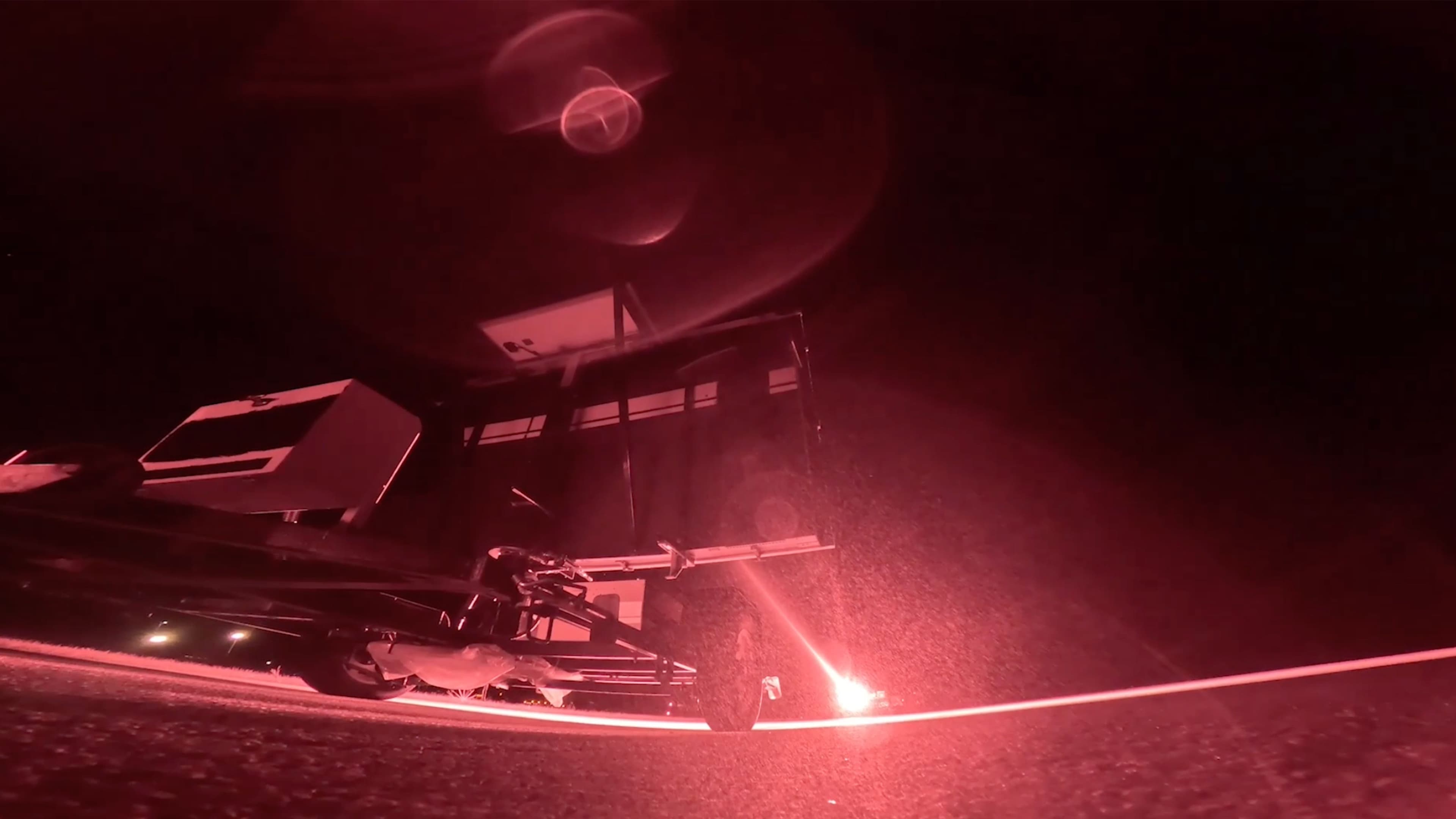
Star Catcher, a Jacksonville-based startup, is set to launch a prototype system aboard a SpaceX rocket to test the first laser-based energy transmission between two untethered objects in space. The company aims to provide enhanced solar power to satellites using lasers, potentially delivering up to 10 times more energy than traditional methods.
30 SEC SUMMARY
- Star Catcher, a Jacksonville-based startup, is launching a prototype system aboard a SpaceX rocket to test laser-based energy transmission in space.
- The prototype, called Protostar, aims to beam energy between two untethered objects in space for the first time.
- Star Catcher has raised $65 million in funding and secured a $30 million award from the US Space Force.
- The company claims its technology could deliver up to 10 times more power than traditional solar methods for satellites.
- Star Catcher has signed 40 letters of intent and 10 power purchase agreements with prospective buyers.
TABLE OF CONTENTS
- Star Catcher’s Prototype Launch
- Funding and Early Traction
- Ground Test Success
- Challenges and Prior Experiments
- What this means
- Key takeaways
- FAQ
- Sources
KEY HIGHLIGHTS
- Star Catcher is launching a prototype system called Protostar aboard a SpaceX rocket to test laser-based energy transmission in space.
- The company has raised $65 million in funding and received a $30 million award from the US Space Force.
- Protostar aims to beam energy between two untethered objects in space, a first for this technology.
- Star Catcher claims its system could deliver up to 10 times more power than traditional solar methods for satellites.
- The company has signed 40 letters of intent and 10 power purchase agreements with prospective buyers.
Star Catcher’s Prototype Launch
Star Catcher, a Jacksonville-based startup, is preparing to launch a prototype system aboard a SpaceX rocket to test laser-based energy transmission in space, according to WIRED. The prototype, dubbed Protostar, is designed to beam energy between two untethered objects in orbit—a first for this type of technology.
If successful, the test would mark the first instance of laser-based energy transmission between two independent objects in space. The goal is to demonstrate a new method for powering satellites, potentially offering up to 10 times more energy than traditional solar panels.
Funding and Early Traction
Star Catcher has raised $65 million in funding and secured a $30 million award from the US Space Force, as reported by WIRED. The company has also signed 40 letters of intent and 10 power purchase agreements with prospective customers, signaling early commercial interest in its technology.
The startup’s approach involves using lenses to gather sunlight and refine it into specific wavelengths. These wavelengths are then transmitted via lasers to satellites, which could significantly boost their power supply compared to diffuse sunlight.
Ground Test Success
Star Catcher recently set a record for ground-based laser energy transmission, surpassing a milestone previously achieved by DARPA. The test delivered over 1 kilowatt of power to off-the-shelf solar panels, demonstrating the potential of its technology in controlled environments.
Challenges and Prior Experiments
Previous experiments in space-based energy transmission have faced significant hurdles. In 2023, the Naval Research Laboratory tested a space laser that operated with only 11% efficiency over 100 days, highlighting the technical difficulties of this approach.
Caltech has also made progress in this field, successfully testing microwave-based solar power transmission to Earth. However, laser-based systems like Star Catcher’s could offer higher efficiency and precision if they overcome the challenges of targeting and energy loss in space.
What this means
Lazyfounder analysis — our interpretation, not reported fact.
Star Catcher’s ambition to create a space-based power network is a bold bet on the future of orbital infrastructure. If successful, its laser-based energy transmission could address a critical gap in satellite operations—reliable, high-output power—without requiring costly upgrades to individual satellites.
For founders and operators in the space industry, this prototype launch is a signal that energy-as-a-service in orbit is no longer theoretical. The $65 million funding round and $30 million US Space Force award suggest strong institutional confidence, even if the technology is unproven in space. However, the real test will be scalability: can Star Catcher deploy enough "power nodes" to create a viable network, or will latency, precision targeting, and efficiency bottlenecks limit adoption?
The company’s ground-based record and early customer interest are promising, but space remains an unforgiving environment. Competitors like Caltech and the Naval Research Laboratory have demonstrated incremental progress, but Star Catcher’s laser-based approach could leapfrog microwave-based solutions if it works. For now, the industry will watch the Protostar test closely—it may set the tone for how startups and governments collaborate on orbital infrastructure moving forward.
Key takeaways
- Star Catcher is testing a prototype called Protostar to beam energy between untethered objects in space using lasers.
- The company has raised $65 million and secured a $30 million US Space Force award to develop its technology.
- If successful, the system could provide up to 10 times more power than traditional solar methods for satellites.
- Star Catcher has signed 40 letters of intent and 10 power purchase agreements with potential customers.
- Previous experiments, like the Naval Research Laboratory’s 2023 test, achieved only 11% efficiency, highlighting the challenges ahead.
FAQ
What is Star Catcher’s Protostar prototype?
Protostar is a small-scale satellite designed to test laser-based energy transmission between two untethered objects in space. It is a precursor to Star Catcher’s planned network of power nodes, which aim to provide enhanced solar energy to satellites.
How much power could Star Catcher’s system provide compared to traditional methods?
Star Catcher claims its laser-based system could deliver up to 10 times more power than traditional solar methods for satellites, though this has yet to be demonstrated in space.
What are the challenges Star Catcher faces?
Laser-based energy transmission in space faces challenges like precision targeting, energy loss, and efficiency. Previous experiments, such as the Naval Research Laboratory’s 2023 test, achieved only 11% efficiency, highlighting the difficulties ahead.
Who are Star Catcher’s potential customers?
Star Catcher has signed 40 letters of intent and 10 power purchase agreements with prospective buyers, though the identities of these customers have not been disclosed.
Related on Lazyfounder
Sources
- WIRED · 2026-09-28
Space Lasers Are About to Get Their First Real Test Generating Energy
This story is an original summary drafted with AI by Lazyfounder from the reporting listed above and checked by automated validation. Facts are attributed to their original publishers; sections marked as analysis are Lazyfounder's. Where a source is in another language, facts were machine-translated and quotations are reported, not reproduced. Read the original coverage via the links, and see our AI policy and corrections policy.

About the author
Editor, Lazyfounder
Tarun Mottlia edits LazyFounders, covering Indian startups, funding rounds, AI and product launches. Every story on the site is AI-assisted and checked against its cited sources before publication.
More stories by Tarun MottliaGet the LazyFounder Brief
Startup, funding and AI news in a five-minute read. Join the early-access list.
