
Sonos Ace Ultra vs Sony WH-1000XM6: Which Premium Headphones Lead?
The **Sonos Ace Ultra** and **Sony WH-1000XM6** represent the latest rivalry in premium wireless noise-cancelling headphones, both priced at $449 / £399 / AU$699. While Sony’s offering delivers **versatility, portability, and class-leading ANC**, Sonos focuses on **immersive audio and ecosystem integration**. Neither model includes dust or water resistance, leaving room for future innovation in the category.

Editor, Lazyfounder
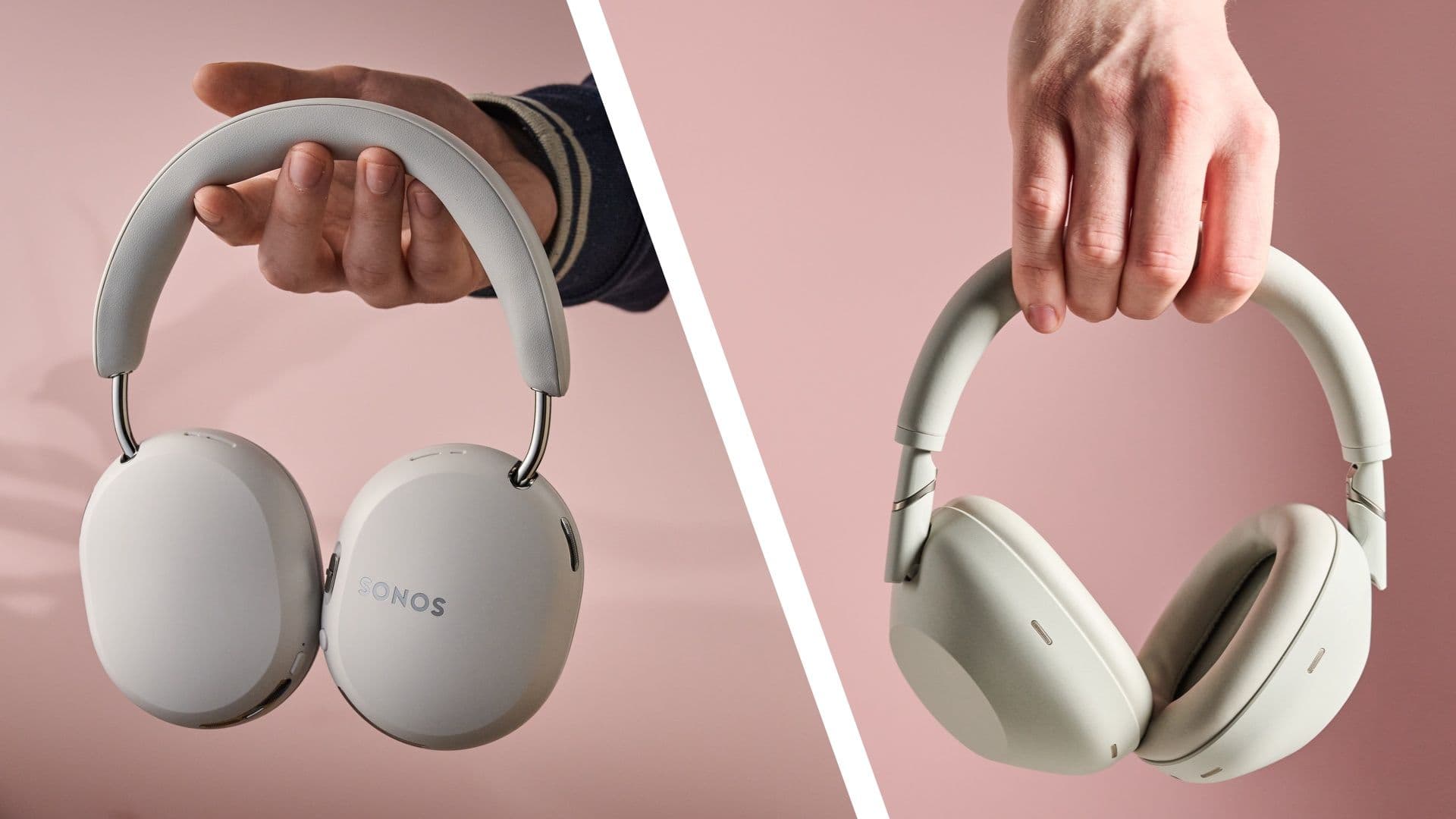
The Sonos Ace Ultra and Sony WH-1000XM6 represent the latest rivalry in premium wireless noise-cancelling headphones, both priced at $449 / £399 / AU$699. While Sony’s offering delivers versatility, portability, and class-leading ANC, Sonos focuses on immersive audio and ecosystem integration. Neither model includes dust or water resistance, leaving room for future innovation in the category.
30 SEC SUMMARY
- Sonos Ace Ultra and Sony WH-1000XM6 wireless noise-cancelling headphones launched in September 2026 and May 2025, respectively, both priced at $449 / £399 / AU$699.
- Sonos Ace Ultra offer 35 hours of battery life, Dolby Atmos with head-tracking, and USB-C audio passthrough, targeting Sonos ecosystem users and movie enthusiasts.
- Sony WH-1000XM6 provide 30 hours of battery life, class-leading ANC, and a foldable design, making them ideal for travel and general use.
- Neither model has an IP rating for dust or water resistance, and both lack some high-end Bluetooth codec support.
- Sony’s WH-1000XM6 are considered the best all-round choice, while Sonos Ace Ultra excel in immersive audio and ecosystem integration.
TABLE OF CONTENTS
- Sonos Ace Ultra: Features and Trade-offs
- Sony WH-1000XM6: Refinements and Strengths
- Which Headphones Should You Choose?
- Context: The Wireless Headphone Market
- What this means
- Key takeaways
- FAQ
- Sources
KEY HIGHLIGHTS
- Sonos Ace Ultra launched in September 2026 with Dolby Atmos, 35-hour battery life, and USB-C audio passthrough for $449 / £399 / AU$699.
- Sony WH-1000XM6, released in May 2025, offer 30-hour battery life, class-leading ANC, and a foldable design at the same price.
- Sonos targets ecosystem users and movie enthusiasts, while Sony delivers a versatile all-round package with intuitive touch controls.
- Neither headphone includes an IP rating for dust or water resistance, a notable gap in the premium segment.
Sonos Ace Ultra: Features and Trade-offs
According to TechRadar, the Sonos Ace Ultra were released in September 2026 as Sonos’s first foray into premium wireless noise-cancelling headphones. Priced at $449 / £399 / AU$699, they are designed to appeal to users already invested in the Sonos ecosystem, as well as movie enthusiasts seeking immersive audio experiences.
The Ace Ultra offer 35 hours of battery life with active noise cancellation (ANC) enabled and support Bluetooth 6.0 and USB-C audio passthrough for wired listening. A standout feature is native Dolby Atmos support with head-tracking, which enhances spatial audio for films and gaming. Reports suggest the headphones deliver strong performance for movies, though their sound signature may lack the detailed clarity of some competitors in the same price range.
Design-wise, the Ace Ultra are praised for their sleek aesthetics and premium build quality. However, they lack a foldable design, making them less portable than competitors. They also do not support LDAC, a high-resolution Bluetooth codec, instead relying on aptX. Interoperability with other Sonos products, such as the Sonos Beam Ultra and Sonos Play, is seamless, reinforcing the brand’s ecosystem strategy.
One notable omission is an IP rating for dust or water resistance, which could limit their appeal for outdoor or active use. Additionally, their button-based controls are reported to be less intuitive than touch-focused alternatives.
Sony WH-1000XM6: Refinements and Strengths
The Sony WH-1000XM6, released in May 2025, build on the success of Sony’s WH-1000XM series, a long-standing benchmark for wireless noise-cancelling headphones. Available at the same price as the Sonos Ace Ultra ($449 / £399 / AU$699), they focus on refining design, sound quality, and ANC performance.
Key features include 30 hours of battery life with ANC enabled, Bluetooth 5.4, and 3.5mm wired connectivity. Sony’s class-leading ANC is a major selling point, leveraging a larger microphone system to outperform many competitors in noise suppression. The sound profile is described as dynamic and detailed, particularly in the mid-range, though some users may find it less neutral than alternatives.
The WH-1000XM6 retain the foldable design of their predecessors, making them more travel-friendly than the Sonos Ace Ultra. Their touch controls are reported to be highly intuitive, allowing users to adjust volume, skip tracks, and manage calls with ease. However, they lack USB-C audio passthrough, relying instead on the older 3.5mm standard for wired listening. They also do not support LDAC or Snapdragon Sound, which may disappoint audiophiles seeking high-resolution audio.
While the build quality is robust, the design is described as bulkier compared to the Sonos Ace Ultra. Like the Sonos model, the WH-1000XM6 lack an IP rating, leaving them vulnerable to dust and moisture.
Which Headphones Should You Choose?
At $449 / £399 / AU$699, both the Sonos Ace Ultra and Sony WH-1000XM6 target premium buyers, but their strengths cater to different use cases. According to TechRadar, the Sony WH-1000XM6 are the best all-round choice for most users, thanks to their superior ANC, foldable design, and intuitive touch controls. Their longer market presence also means they are more likely to be available at discounted prices.
The Sonos Ace Ultra, however, excel in Dolby Atmos performance and ecosystem integration. For users already invested in Sonos products—such as soundbars or multi-room speakers—the Ace Ultra offer a cohesive experience. Their USB-C audio passthrough is also more convenient for wired listening than Sony’s 3.5mm port. Movie enthusiasts may prefer the Ace Ultra for their head-tracking spatial audio, which delivers a more immersive experience.
Trade-offs are evident in both models. The Sonos headphones lack LDAC support and a foldable design, while the Sony model falls short on battery life and USB-C passthrough. Neither offers dust or water resistance, a notable gap in the premium segment. Ultimately, the decision hinges on priorities: versatility and portability (Sony) or immersive audio and ecosystem integration (Sonos).
Context: The Wireless Headphone Market
The wireless headphone market has seen rapid evolution over the past decade, driven by advancements in noise-cancelling technology, Bluetooth codecs, and spatial audio. Brands like Sony, Bose, and Apple have dominated the premium segment, each refining their offerings to balance sound quality, comfort, and features such as ANC and battery life.
Sonos, traditionally known for its wireless speakers and soundbars, entered the headphone market with a focus on ecosystem integration and home audio. The Ace Ultra represent the company’s effort to extend its brand into personal audio, leveraging Dolby Atmos and head-tracking to differentiate itself from competitors.
Sony’s WH-1000XM series has long been a benchmark for noise-cancelling headphones, praised for its sound quality, ANC performance, and foldable design. The XM6 build on this legacy, introducing incremental improvements while maintaining the core strengths that have defined the series.
What this means
Lazyfounder analysis — our interpretation, not reported fact.
For founders and operators, this comparison underscores a critical strategic choice: generalist appeal versus niche differentiation. Sony’s WH-1000XM6 represent a refined, all-round product that prioritizes versatility, ANC performance, and portability—features that appeal to the broadest possible audience. This approach minimizes risk by leveraging Sony’s established reputation in the audio space while incrementally improving a proven formula.
Sonos, on the other hand, takes a more targeted approach with the Ace Ultra. By focusing on Dolby Atmos, head-tracking, and ecosystem integration, Sonos isn’t just selling headphones; it’s reinforcing its brand as a premium audio ecosystem. This strategy is riskier but can foster deeper customer loyalty and justify higher price points for users already invested in the Sonos ecosystem.
The absence of an IP rating in both products also highlights an opportunity for startups: durability and outdoor usability remain underserved in the premium wireless headphone market. For founders, this gap could inspire innovation in materials, design, or features that cater to active or outdoor users without compromising on sound quality or ANC performance.
Key takeaways
- Both models are priced at $449 / £399 / AU$699, targeting premium wireless headphone buyers.
- Sonos Ace Ultra excel in Dolby Atmos, Sonos ecosystem integration, and USB-C audio passthrough but lack a foldable design and LDAC support.
- Sony WH-1000XM6 offer class-leading ANC, intuitive touch controls, and a foldable design but have shorter battery life and no USB-C passthrough.
- Neither model includes dust or water resistance, limiting their appeal for outdoor or active use.
- Sony’s model is positioned as the best all-round option, while Sonos caters to users prioritizing immersive audio and ecosystem integration.
FAQ
Which headphones have better battery life: Sonos Ace Ultra or Sony WH-1000XM6?
The Sonos Ace Ultra offer 35 hours of battery life with ANC enabled, compared to 30 hours for the Sony WH-1000XM6.
Do the Sonos Ace Ultra or Sony WH-1000XM6 support Dolby Atmos?
The Sonos Ace Ultra support native Dolby Atmos with head-tracking, making them ideal for movies and immersive audio. The Sony WH-1000XM6 do not offer Dolby Atmos support.
Are the Sonos Ace Ultra or Sony WH-1000XM6 foldable?
The Sony WH-1000XM6 feature a foldable design, making them more portable. The Sonos Ace Ultra are not foldable.
Which headphones have better ANC: Sonos Ace Ultra or Sony WH-1000XM6?
The Sony WH-1000XM6 are reported to have class-leading ANC, outperforming the Sonos Ace Ultra in noise suppression due to their larger microphone system.
Do either the Sonos Ace Ultra or Sony WH-1000XM6 have an IP rating?
Neither the Sonos Ace Ultra nor the Sony WH-1000XM6 have an IP rating for dust or water resistance.
Which headphones are better for travel: Sonos Ace Ultra or Sony WH-1000XM6?
The Sony WH-1000XM6 are better suited for travel due to their foldable design, lighter weight, and superior ANC.
Related on Lazyfounder
Sources
- TechRadar · 2026-09-28
I tested the Sonos Ace Ultra against the Sony WH-1000XM6 and it was a closer contest than I'd expected — here’s which noise cancelling headphones came out on top
This story is an original summary drafted with AI by Lazyfounder from the reporting listed above and checked by automated validation. Facts are attributed to their original publishers; sections marked as analysis are Lazyfounder's. Where a source is in another language, facts were machine-translated and quotations are reported, not reproduced. Read the original coverage via the links, and see our AI policy and corrections policy.

About the author
Editor, Lazyfounder
Tarun Mottlia edits LazyFounders, covering Indian startups, funding rounds, AI and product launches. Every story on the site is AI-assisted and checked against its cited sources before publication.
More stories by Tarun MottliaGet the LazyFounder Brief
Startup, funding and AI news in a five-minute read. Join the early-access list.
