
Smart scales in 2026: Best picks and models to avoid
Smart scales have evolved into sophisticated tools for tracking weight and body composition, but not all models deliver on their promises. From seamless app integration to flimsy designs and hidden subscription costs, the 2026 market offers a mix of hits and misses. Here’s what founders and health tech operators need to know.

Editor, Lazyfounder
30 SEC SUMMARY
- Smart scales in 2026 offer advanced body composition tracking, with models ranging from budget-friendly to premium options.
- Features like Wi-Fi connectivity, app integration, and multi-user support vary widely across brands and price points.
- Some scales, like the Tanita RD-545 and Hume Health Body Pod, lock advanced features behind subscriptions or suffer from usability issues.
- The Withings BodyFit and Garmin Index S2 are praised for seamless integration and reliability, while others like the Renpho MorphoScan Lite are criticized for flimsiness.
TABLE OF CONTENTS
KEY HIGHLIGHTS
- The Runstar Smart Body Fat Scale (FG2015) tracks 20 metrics, supports 24 users, and is priced at $140.
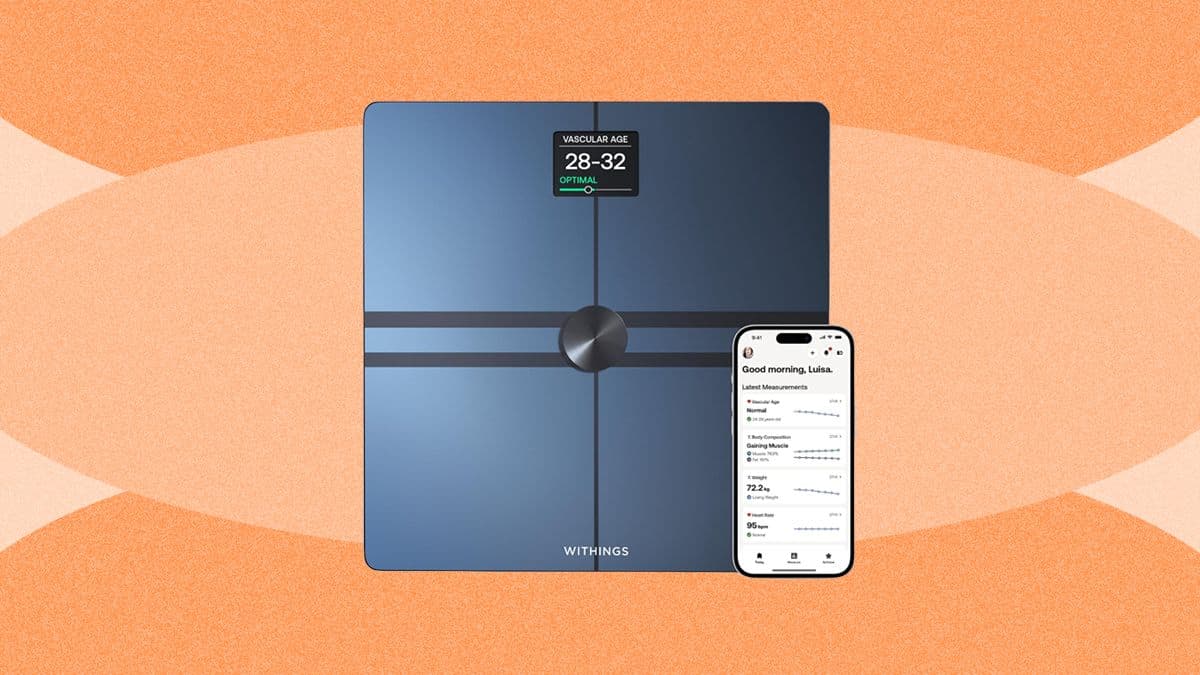
- The Withings BodyFit is lauded for its sleek design and seamless app integration.
- The Tanita RD-953 InnerScan Pro is Bluetooth-only and received criticism for inaccurate body fat readings and poor app usability.
- The Hume Health Body Pod lacks Wi-Fi and requires a $100 annual subscription for some features.
- The Renpho MorphoScan Lite, designed for GLP-1 users, is criticized for its flimsy build.
- The Tanita RD-545 InnerScan Pro costs $480, lacks Wi-Fi, and is considered overly complex.
Smart scales compared: features and pricing
According to WIRED, the smart scale market in 2026 offers a range of options, from budget-friendly models to high-end devices with advanced body composition tracking. Pricing, connectivity, and usability vary significantly across brands.
Models with identical designs and apps
WIRED reports that the Renpho MorphoScan and Runstar Smart Body Fat Scale (FG2015) share a nearly identical design. Both devices also use the same app for data collection, raising questions about differentiation between the two products.
Top-performing smart scales
The Withings BodyFit stands out for its sleek design and seamless integration with Withings’s app, according to WIRED. The Garmin Index S2, despite being five years old, is praised for its Wi-Fi connectivity and reliable performance. The Runstar FG2015 is noted for tracking 20 metrics and supporting up to 24 users at a price of $140.
Scales with usability and design flaws
WIRED highlights several models with notable drawbacks. The Tanita RD-953 InnerScan Pro, a Bluetooth-only device, was criticized for providing inaccurate body fat readings and a cumbersome app experience. The Renpho MorphoScan Lite, marketed to GLP-1 users, is described as one of the flimsiest scales tested. The Tanita RD-545 InnerScan Pro, priced at $480, was deemed overly complex and lacking Wi-Fi connectivity.
Subscription and connectivity limitations
Some smart scales introduce subscription models or lack essential connectivity features. The Hume Health Body Pod, for example, does not support Wi-Fi and locks certain features behind a $100 annual subscription. The Omron BCM-500 provides metrics directly on the device but syncs with Omron’s HeartAdvisor app, which may not be as polished as competitors’ offerings.
Trends in smart health devices
Smart scales are part of a broader trend in consumer health technology, where devices increasingly offer advanced metrics like body composition analysis, ECG readings, and nervous system monitoring. However, some manufacturers are introducing subscription models to unlock features, a strategy that has received mixed reactions from users and reviewers.
Competition in the wearable and health tech space is intensifying, with companies like Withings and Garmin focusing on ecosystem integration, while others explore modular or subscription-free alternatives.
What this means
Lazyfounder analysis — our interpretation, not reported fact.
For founders and operators in the health tech space, this comparison underscores the importance of balancing features, usability, and pricing. Smart scales that prioritize seamless app integration, accurate readings, and transparent pricing—whether upfront or subscription-based—are more likely to resonate with consumers. The criticism faced by models like the Tanita RD-545 and Hume Health Body Pod also serves as a reminder that complexity and hidden costs can deter users, even in premium segments. If you're building in this space, focus on clarity, reliability, and value to stand out in a crowded market.
Key takeaways
- Prioritize app integration and usability: Scales like the Withings BodyFit succeed because of their seamless app experience, while others falter due to poor design or overly complex interfaces.
- Transparency in pricing matters: Models that lock features behind subscriptions or surprise users with hidden costs risk alienating customers, especially if competitors offer similar features upfront.
- Durability and accuracy are non-negotiable: Even budget-friendly options like the Arboleaf CS20W can compete if they deliver reliable performance, while flimsy or inaccurate devices like the Renpho MorphoScan Lite face criticism.
- Connectivity is a key differentiator: Wi-Fi and multi-user support are valuable features that can justify higher price points, as seen with the Garmin Index S2 and Runstar FG2015.
- Ecosystem integration drives adoption: Devices that integrate well with broader health or fitness ecosystems, like Garmin’s or Withings’s, provide added value that standalone products may lack.
FAQ
Which smart scale offers the best value for money?
The Runstar Smart Body Fat Scale (FG2015) is highlighted for its balance of features and pricing. It tracks 20 metrics, supports 24 users, and is priced at $140, making it a strong contender for those seeking advanced functionality without a premium cost.
Are subscription models common in smart scales?
Some newer models, like the Hume Health Body Pod, introduce subscription plans to unlock advanced features. However, this approach is not universally adopted, and many scales, such as the Withings BodyFit and Garmin Index S2, offer full functionality without ongoing costs.
Which smart scale is the most durable?
WIRED does not provide explicit durability rankings, but the Renpho MorphoScan Lite is specifically criticized for its flimsy build. Models like the Withings BodyFit and Garmin Index S2, which are praised for their design and reliability, may be better choices for durability.
Do all smart scales require an app to function?
Most smart scales rely on apps for full functionality, but some, like the Omron BCM-500, display key metrics directly on the device. However, even these scales often sync with companion apps for long-term tracking and analysis.
Related on Lazyfounder
Sources
- WIRED · 2020-12-11
The Best Smart Scales for Tracking Weight and Body Composition (2026)
This story is an original summary drafted with AI by Lazyfounder from the reporting listed above and checked by automated validation. Facts are attributed to their original publishers; sections marked as analysis are Lazyfounder's. Where a source is in another language, facts were machine-translated and quotations are reported, not reproduced. Read the original coverage via the links, and see our AI policy and corrections policy.

About the author
Editor, Lazyfounder
Tarun Mottlia edits LazyFounders, covering Indian startups, funding rounds, AI and product launches. Every story on the site is AI-assisted and checked against its cited sources before publication.
More stories by Tarun MottliaGet the LazyFounder Brief
Startup, funding and AI news in a five-minute read. Join the early-access list.
