
Singapore man charged for AI-generated crocodile image, faces 10 years in jail
A man in Singapore faces up to 10 years in jail after sharing an AI-generated image of a crocodile at a public reservoir, triggering a temporary closure of recreational activities. The case has drawn attention to the legal risks of AI-generated content and the broader implications of digital falsehoods.

Editor, Lazyfounder
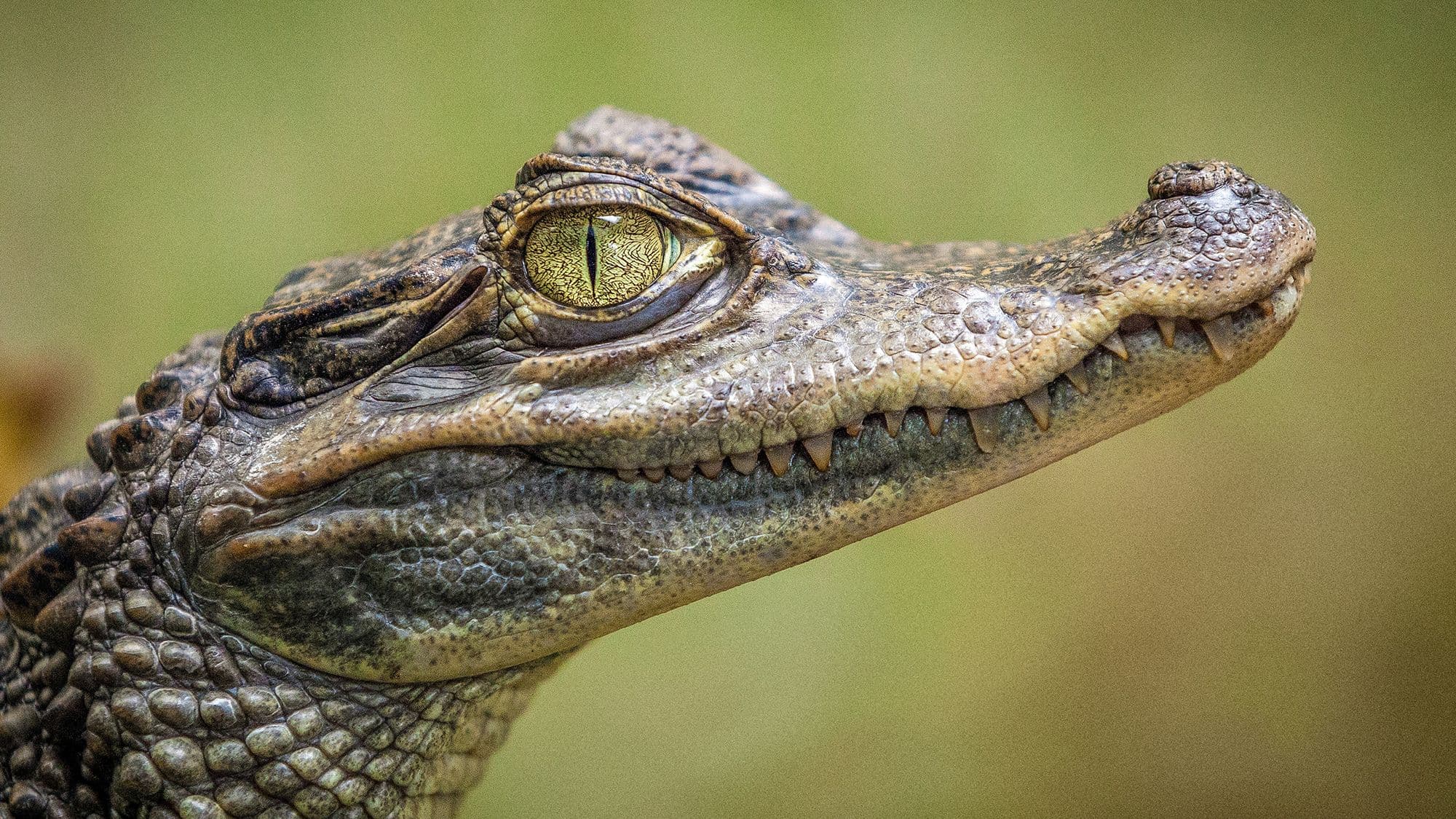
A man in Singapore faces up to 10 years in jail after sharing an AI-generated image of a crocodile at a public reservoir, triggering a temporary closure of recreational activities. The case has drawn attention to the legal risks of AI-generated content and the broader implications of digital falsehoods.
30 SEC SUMMARY
- A 30-year-old man from Myanmar, Ye Lin, has been charged in Singapore for sharing an AI-generated image of a crocodile at Pandan Reservoir.
- The image led to the closure of recreational activities at the reservoir while authorities conducted a search.
- Ye Lin faces up to 10 years in jail for charges including communicating falsehoods and obstructing justice.
- Singapore Police warned against sharing falsehoods, emphasizing the strain on public resources and public fear.
- The case highlights legal risks of AI-generated content and the importance of digital responsibility.
TABLE OF CONTENTS
- What Happened
- Police Response
- Background
- What this means
- Key takeaways
- FAQ
- Sources
KEY HIGHLIGHTS
- Ye Lin, a 30-year-old from Myanmar, shared an AI-generated image of a crocodile at Pandan Reservoir on August 20.
- The image led to the shutdown of rowing and canoeing activities while authorities searched for the crocodile.
- Ye Lin faces charges for communicating falsehoods and obstructing justice, with a potential jail term of up to 10 years.
- He shared the image with only one colleague and deleted it along with the Gemini app to conceal his actions.
- Singapore Police warned against sharing false information, citing its impact on public resources and safety.
What Happened
According to TechRadar, a 30-year-old man from Myanmar, Ye Lin, has been charged by Singapore police for sharing an AI-generated image of a crocodile at Pandan Reservoir on August 20. The image, created using the Gemini app, prompted authorities to temporarily close rowing and canoeing activities at the reservoir while they searched for the animal.
Ye Lin faces multiple charges, including communicating falsehoods and obstructing justice. If convicted, he could serve up to 10 years in jail, pay fines, or both. A separate charge for sending a false message carries a potential penalty of up to three years in prison, a S$10,000 fine, or both.
Singapore’s national water agency reportedly shut down recreational activities at Pandan Reservoir after the image circulated. Ye Lin shared the image with only one colleague and deleted both the image and the Gemini app in an attempt to conceal his actions.
Police Response
Singapore Police issued a warning about the consequences of sharing false information, emphasizing that such actions can cause public fear, inconvenience, and unnecessary use of public resources. The statement highlighted the broader implications of digital falsehoods, particularly when they impact public safety or require emergency responses.
The police also noted that the AI-generated image created using Gemini should have included an embedded watermark identifying it as AI-generated, though it is unclear whether this feature was active or detected in this case.
Background
Singapore has strict laws governing the spread of false information, particularly when it risks public safety or disrupts services. Thestadt recently introduced measures to combat digital falsehoods, including penalties for individuals and platforms that fail to address misinformation.
AI-generated content, while increasingly accessible, has raised concerns globally about its potential for misuse. Tools like Gemini and other AI platforms often include safeguards, such as watermarks or content moderation, to mitigate risks. However, these measures are not foolproof and can be circumvented.
What this means
Lazyfounder analysis — our interpretation, not reported fact.
This case is a stark reminder for founders and operators about the legal and operational risks of AI-generated content. While tools like Gemini make it easy to create realistic images, the consequences of misuse can be severe—both for individuals and the broader community.
For startups in the AI space, this underscores the need for clear user guidelines, robust moderation systems, and transparency about the origins of AI-generated content. It also signals that regulators and law enforcement are paying close attention to digital falsehoods, especially when they impact public safety or resource allocation.
The incident may also influence how platforms handle AI-generated content, particularly in regions with strict laws around misinformation. Founders should consider how their products could be misused and build safeguards accordingly.
Key takeaways
- Ye Lin, a 30-year-old from Myanmar, shared an AI-generated image of a crocodile at Pandan Reservoir, leading to a temporary closure of recreational activities.
- He faces up to 10 years in jail for charges including communicating falsehoods and obstructing justice.
- The case highlights the legal risks of AI-generated content and the potential for significant penalties.
- Singapore Police warned against sharing false information, emphasizing its impact on public resources and safety.
- AI platforms may need to strengthen safeguards to prevent misuse and ensure compliance with local laws.
FAQ
What charges does Ye Lin face?
Ye Lin faces charges for communicating falsehoods and obstructing justice. The penalties include up to 10 years in jail, fines, or both. He also faces an additional charge for sending a false message, which carries a potential jail term of up to three years, a S$10,000 fine, or both.
Why was Pandan Reservoir closed?
The reservoir’s recreational activities, including rowing and canoeing, were temporarily shut down after authorities received reports of an AI-generated image depicting a crocodile in the water. The closure allowed officials to conduct a search for the animal.
What are the implications of this case for AI platforms?
This case highlights the legal risks associated with AI-generated content, particularly when it is misused. It may prompt AI platforms to strengthen safeguards, such as watermarks or content moderation, to prevent misuse and ensure compliance with local laws.
How did Singapore Police respond to the incident?
Singapore Police warned against sharing false information, stating that it can cause public fear, inconvenience, and unnecessary strain on public resources. They emphasized the importance of responsible digital behavior.
Related on Lazyfounder
Sources
- TechRadar · 2026-09-30
Singapore man faces 10 years in jail for AI crocodile picture that triggered reservoir closure — as police warn against ‘communicating falsehoods’
This story is an original summary drafted with AI by Lazyfounder from the reporting listed above and checked by automated validation. Facts are attributed to their original publishers; sections marked as analysis are Lazyfounder's. Where a source is in another language, facts were machine-translated and quotations are reported, not reproduced. Read the original coverage via the links, and see our AI policy and corrections policy.

About the author
Editor, Lazyfounder
Tarun Mottlia edits LazyFounders, covering Indian startups, funding rounds, AI and product launches. Every story on the site is AI-assisted and checked against its cited sources before publication.
More stories by Tarun MottliaGet the LazyFounder Brief
Startup, funding and AI news in a five-minute read. Join the early-access list.
