
Shropshire heating oil prices nearly double as UK plans market reforms
Households in Shropshire, England, are struggling with soaring heating oil prices, which have nearly doubled since the start of the Iran war. With 15% of local homes reliant on oil for heating, the UK government is preparing regulatory reforms to improve consumer protections and promote competition in the sector.

Editor, Lazyfounder
30 SEC SUMMARY
- Heating oil prices in Shropshire, England, have nearly doubled since the start of the Iran war, straining household budgets.
- Around 15% of Shropshire households (16,000–21,000 properties) rely on heating oil, with South Shropshire having one of the UK’s highest rates of homes without mains gas (53%).
- The UK government plans to tighten regulations in the heating oil market, including reviewing minimum order requirements and promoting competition.
- Campaigners are pushing for a price cap on heating oil, similar to regulations for mains gas and electricity.
TABLE OF CONTENTS
KEY HIGHLIGHTS
- Heating oil prices in Shropshire have nearly doubled since the start of the Iran war, forcing households to limit purchases.
- Around 15% of Shropshire households (16,000–21,000 properties) use heating oil, with South Shropshire’s off-grid rate at 53%, one of the UK’s highest.
- The UK government will review minimum order requirements and develop a regulatory regime to protect consumers and promote competition.
- Campaigners are calling for a price cap on heating oil, similar to protections for mains gas and electricity users.
How heating oil price surges are affecting households
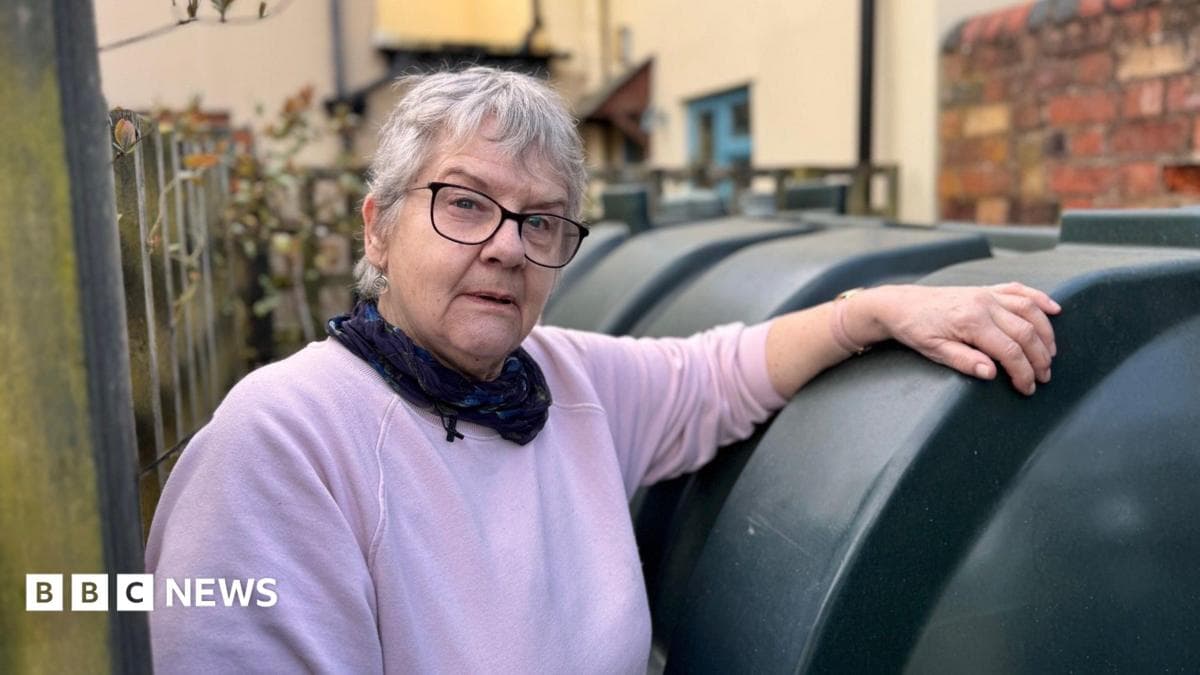
Heating oil users in Shropshire, England, are facing sharply higher costs compared to previous years, with prices reported to have nearly doubled since the start of the Iran war, according to BBC News. Residents describe having to limit purchases to manage expenses, with one user, Liz Humphris, reportedly buying only 500 litres at a time to spread out costs.
Approximately 15% of households in Shropshire—between 16,000 and 21,000 properties—rely on heating oil for central heating. In South Shropshire, 53% of homes lack access to mains gas, making it one of the highest concentrations of off-grid energy use in the UK.
Government steps in to regulate the heating oil market
The UK government has announced plans to tighten regulations in the heating oil market to improve consumer protections and encourage competition. According to BBC News, these measures will include a review of minimum order levels set by suppliers, which act as a barrier for households unable to afford bulk purchases.
The government also intends to develop a formal regulatory regime for the heating oil market, aiming to provide clearer compensation routes and prevent exploitative practices. These changes follow calls from campaigners for a price cap on heating oil, similar to the safeguards in place for mains gas and electricity tariffs.
Why heating oil users are more vulnerable
Households reliant on heating oil often face higher exposure to price fluctuations compared to those connected to mains gas or electricity. Unlike regulated energy markets, the heating oil sector has historically lacked protections for consumers, leaving users vulnerable to sudden price spikes.
Suppliers’ minimum order requirements—often hundreds of litres—can be prohibitive for households managing tight budgets. This forces some users to ration purchases or delay refills, risking heat insecurity during colder months.
What this means
Lazyfounder analysis — our interpretation, not reported fact.
This situation highlights the vulnerabilities faced by off-grid energy users, who often lack the protections and price stability available to those connected to mains gas or electricity. For founders and operators in the energy sector, the UK government’s regulatory shift signals an opportunity to innovate in consumer protection, pricing transparency, and flexible purchasing models. Startups could explore solutions like bulk-buying cooperatives, dynamic pricing tools, or financing options for low-income households. The call for a price cap also underscores the growing expectation that essential services—regardless of delivery method—should be shielded from extreme volatility.
Key takeaways
- Off-grid energy users, particularly heating oil customers, face disproportionate price volatility and fewer consumer protections than mains gas or electricity users.
- Regulatory changes in the heating oil market could create opportunities for startups to address gaps in affordability, transparency, and access.
- Minimum order requirements from suppliers act as a barrier for cash-strapped households, making flexible purchasing models a potential area for innovation.
- The push for a price cap reflects broader consumer expectations for protection from energy price shocks, regardless of fuel type.
FAQ
Why are heating oil prices rising so sharply in Shropshire?
Prices have surged due to geopolitical factors, including the start of the Iran war, which has disrupted global energy markets. Unlike mains gas or electricity, heating oil prices are not regulated, leaving users more exposed to volatility.
What is the UK government doing to address the issue?
The government plans to tighten regulations in the heating oil market by reviewing minimum order requirements, promoting competition, and developing a formal regulatory regime to protect consumers.
How many households in Shropshire use heating oil?
Between 16,000 and 21,000 properties in Shropshire rely on heating oil for central heating, representing about 15% of households in the area.
What are campaigners demanding?
Campaigners are calling for a price cap on heating oil, similar to the protections in place for mains gas and electricity, to shield consumers from extreme price fluctuations.
Related on Lazyfounder
Sources
- BBC News (Tech & Business) · 2026-10-14
Shropshire heating oil users face tough choices as prices rise
This story is an original summary drafted with AI by Lazyfounder from the reporting listed above and checked by automated validation. Facts are attributed to their original publishers; sections marked as analysis are Lazyfounder's. Where a source is in another language, facts were machine-translated and quotations are reported, not reproduced. Read the original coverage via the links, and see our AI policy and corrections policy.

About the author
Editor, Lazyfounder
Tarun Mottlia edits LazyFounders, covering Indian startups, funding rounds, AI and product launches. Every story on the site is AI-assisted and checked against its cited sources before publication.
More stories by Tarun MottliaGet the LazyFounder Brief
Startup, funding and AI news in a five-minute read. Join the early-access list.
