
Samsung forecasts record $80B profit on AI-driven memory chip shortage
Samsung Electronics Co. Ltd. has forecasted a record-breaking quarterly operating profit of 107.4 trillion won (approximately $80.17 billion) for Q3 2026, surpassing analyst expectations and marking the highest profit ever reported by a technology company. The surge is driven by a global shortage of memory chips, particularly those used in AI infrastructure, which has sent prices soaring.

Editor, Lazyfounder
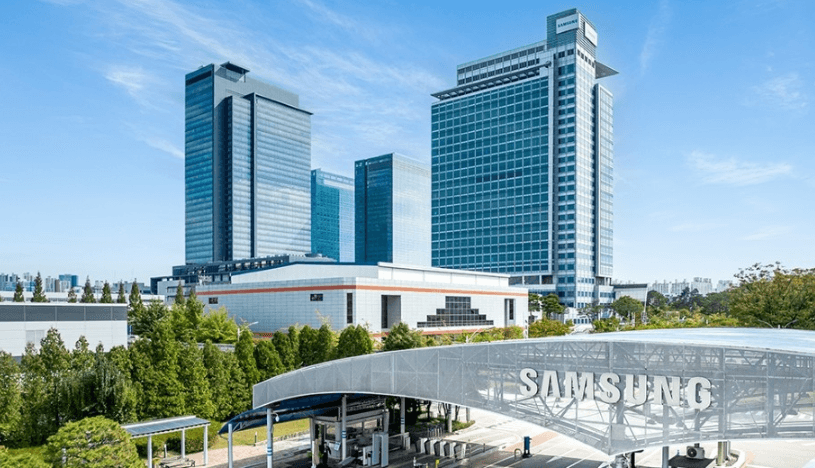
Samsung Electronics Co. Ltd. has forecasted a record-breaking quarterly operating profit of 107.4 trillion won (approximately $80.17 billion) for Q3 2026, surpassing analyst expectations and marking the highest profit ever reported by a technology company. The surge is driven by a global shortage of memory chips, particularly those used in AI infrastructure, which has sent prices soaring.
30 SEC SUMMARY
- Samsung Electronics forecasts a record-breaking Q3 operating profit of 107.4 trillion won (~$80.17 billion), the highest ever for a technology company.
- The surge is driven by a global memory chip shortage, particularly high-bandwidth memory (HBM) chips for AI infrastructure.
- Revenue is expected to rise 127% year-over-year to 195 trillion won, another company record.
- Demand for memory chips is outstripping supply, with prices skyrocketing and shortages expected to persist into 2028.
- Samsung’s smartphone unit faces margin pressures due to rising component costs.
TABLE OF CONTENTS
- Record profit forecast
- AI-driven chip shortage fuels growth
- Consumer electronics face margin pressures
- Industry context
- What this means
- Key takeaways
- FAQ
- Sources
KEY HIGHLIGHTS
- Samsung Electronics forecasts a Q3 operating profit of 107.4 trillion won (~$80.17 billion), the highest ever for a technology company.
- Revenue is expected to rise 127% year-over-year to 195 trillion won, another company record.
- Memory chip shortages, driven by AI infrastructure demand, are the primary driver behind Samsung’s profitability.
- High-bandwidth memory (HBM) chips for AI servers are in particularly tight supply, with prices surging.
- Samsung’s smartphone unit faces margin pressures due to rising component costs.
Record profit forecast
According to SiliconANGLE, Samsung Electronics Co. Ltd. has forecasted an operating profit of 107.4 trillion won (approximately $80.17 billion) for the third quarter of 2026, marking the highest quarterly profit ever reported by a technology company. This surpasses expectations, with analysts predicting a profit of 106.1 trillion won.
The company’s profit is more than nine times higher than the same quarter a year earlier, reflecting an extraordinary surge in earnings. If the forecast holds, it would represent Samsung’s fourth consecutive quarter of record-breaking profits, cementing its dominance in the semiconductor industry.
Samsung also anticipates a 127% year-over-year increase in revenue, reaching 195 trillion won, which would set another company record.
AI-driven chip shortage fuels growth
The primary driver behind Samsung’s record profit is a global shortage of memory chips, particularly high-bandwidth memory (HBM) chips used in AI infrastructure. According to SiliconANGLE, memory chip suppliers like Samsung, Micron Technology Inc., and SK hynix Inc. are struggling to meet demand, leading to skyrocketing prices.
The shortage is most acute for HBM chips, which are purpose-built for AI servers and require massive amounts of memory for data processing. Analysts predict that demand will continue to outstrip supply well into 2028, exacerbating the imbalance.
Samsung’s semiconductor business is expected to account for the majority of its profit and revenue, as suppliers prioritize higher-margin HBM chips over conventional DRAM and NAND flash chips.
Consumer electronics face margin pressures
While Samsung’s semiconductor business thrives, its smartphone unit is under pressure. According to SiliconANGLE, rising component costs—particularly for memory chips—are squeezing margins for consumer electronics. Samsung has responded by increasing prices for many of its smartphone models and other devices.
Lee Jae-won, an analyst at Yuanta Securities, warned that U.S. tariffs on foreign semiconductors and rising competition in China could pose additional challenges for Samsung in the coming years.
The broader implications of the chip shortage may extend to consumer electronics, with potential price increases across the industry due to supply constraints.
Industry context
The semiconductor industry has been gripped by surging demand for memory chips, fueled by the rapid expansion of AI infrastructure. Companies like Nvidia, Amazon, and Google have driven demand for high-performance chips, straining supply chains and pushing prices higher.
Samsung’s dominance in memory chips positions it as a key beneficiary of this trend, alongside rivals like Micron and SK hynix. However, the shift toward AI-specific chips like HBM is reshaping production priorities, leaving conventional memory chips in shorter supply.
This dynamic mirrors broader trends in the technology sector, where AI adoption is accelerating hardware innovation while also creating bottlenecks in critical components.
What this means
Lazyfounder analysis — our interpretation, not reported fact.
Samsung’s record profit underscores how AI-driven demand is reshaping the semiconductor industry. For founders and operators, this signals two critical takeaways: first, the AI boom is creating sustained shortages and pricing power for memory chip suppliers, which could ripple into higher costs for hardware-dependent startups. Second, Samsung’s shift toward higher-margin HBM chips—while easing supply for conventional DRAM—may force consumer electronics companies to absorb rising costs or pass them on to users. The imbalance between supply and demand also suggests that startups relying on AI infrastructure should secure long-term supply agreements sooner rather than later, as the bottleneck is unlikely to ease in the near term.
Key takeaways
- Samsung’s Q3 profit forecast of 107.4 trillion won (~$80.17 billion) shatters industry records, surpassing even tech giants like Nvidia and Google.
- AI-driven demand for memory chips, especially HBM, is the primary driver behind Samsung’s unprecedented profitability.
- Memory chip shortages are expected to persist into 2028, keeping prices elevated and supply tight.
- Samsung’s smartphone and consumer electronics units face margin pressures due to rising component costs.
- Startups reliant on AI infrastructure should plan for prolonged supply constraints and potential cost increases.
FAQ
Why is Samsung’s profit forecast so high?
Samsung’s record profit is primarily driven by a global shortage of memory chips, particularly high-bandwidth memory (HBM) chips used in AI servers. Demand for these chips has outstripped supply, causing prices to skyrocket and benefiting Samsung’s semiconductor business.
How does this affect the broader tech industry?
The shortage of memory chips is expected to persist into 2028, keeping prices elevated. This could lead to higher costs for consumer electronics, including smartphones, and may force companies to secure long-term supply agreements to mitigate risks.
What challenges does Samsung face despite the record profit?
While Samsung’s semiconductor business thrives, its smartphone unit faces margin pressures due to rising component costs. Additionally, potential U.S. tariffs on semiconductors and competition in China could pose long-term challenges.
Related on Lazyfounder
Sources
- SiliconANGLE · 2026-10-08
Samsung forecasts world record-breaking $80B profit
This story is an original summary drafted with AI by Lazyfounder from the reporting listed above and checked by automated validation. Facts are attributed to their original publishers; sections marked as analysis are Lazyfounder's. Where a source is in another language, facts were machine-translated and quotations are reported, not reproduced. Read the original coverage via the links, and see our AI policy and corrections policy.

About the author
Editor, Lazyfounder
Tarun Mottlia edits LazyFounders, covering Indian startups, funding rounds, AI and product launches. Every story on the site is AI-assisted and checked against its cited sources before publication.
More stories by Tarun MottliaGet the LazyFounder Brief
Startup, funding and AI news in a five-minute read. Join the early-access list.
