
Pharma firms test drug crystal manufacturing in space
Pharmaceutical companies, including Varda Space Industries and BioOrbit, are experimenting with manufacturing drug crystals in microgravity environments to improve the quality of next-generation medicines. These efforts focus on leveraging space’s unique conditions to produce more uniform and defect-free formulations, particularly for cancer treatments. The retirement of the ISS and rising costs pose challenges, but private firms are betting on the long-term potential of off-world production.

Editor, Lazyfounder
Why microgravity matters for drug development
Pharmaceutical companies are investigating whether microgravity environments in space can produce higher-quality drug crystals, particularly for cancer treatments. The near-absence of gravity allows crystals to form in more uniform structures with fewer defects, which could improve drug efficacy, stability, and delivery methods.
Will Bruey, CEO of Varda Space Industries, told Mint that removing gravity-related effects enables crystals to grow in a more ordered manner. This could lead to drugs that dissolve more predictably, last longer, and require less frequent dosing.
Experiments in orbit
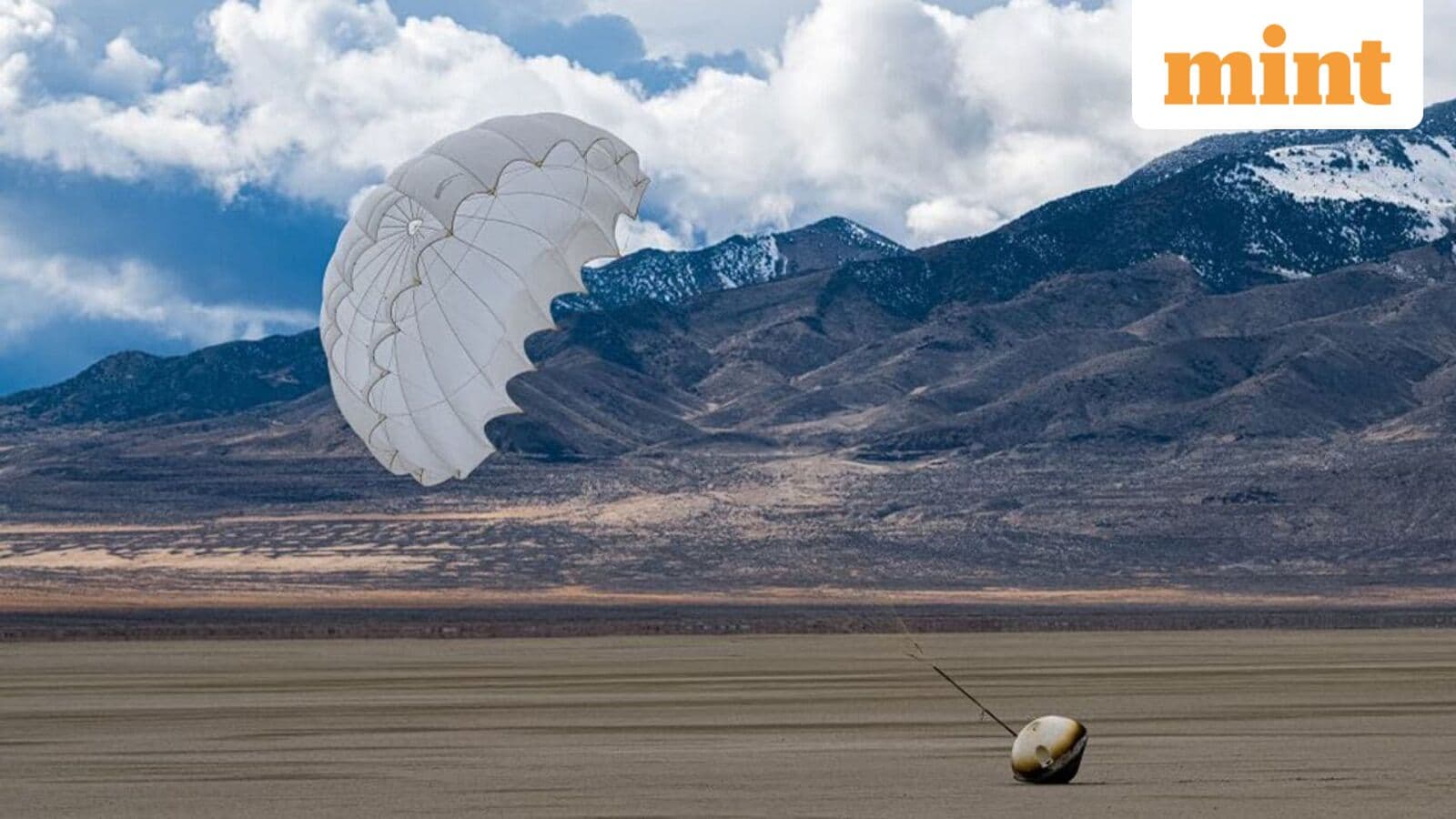
Varda Space Industries has launched three spacecraft to conduct drug manufacturing experiments in orbit. One of these missions involves growing crystals of a potential cancer drug in microgravity. The company plans to scale up its efforts with seven additional missions in 2027 and ten more in 2028.
UK-based BioOrbit is also studying drug production in space. The company has deployed a microwave-sized laboratory on the International Space Station (ISS) to explore how microgravity could enable more convenient formulations of cancer medicines, such as self-injected treatments that reduce the need for hospital visits.
Challenges and future prospects
Despite the potential, high costs and regulatory hurdles remain significant barriers to commercial space manufacturing. Launching equipment and materials into orbit is expensive, and companies must prove that the benefits of microgravity-based production outweigh these costs.
The ISS is expected to retire around 2030, which has prompted private companies to explore alternatives like commercial space stations. Varda and BioOrbit are among those positioning themselves to fill this gap, focusing on high-value products where microgravity offers clear advantages.
What this means
Lazyfounder analysis — our interpretation, not reported fact.
For founders and operators in biotech and aerospace, this shift signals two things: first, a potential new frontier for drug development that could unlock therapies currently constrained by Earth-based manufacturing limitations; second, a emerging market for infrastructure—spacecraft, labs, and logistics—that supports off-planet production. The challenge lies in identifying drugs where microgravity’s benefits justify the cost, as not all compounds will see sufficient improvements to warrant the expense. Companies that can demonstrate a clear return on investment, whether through patented formulations or partnerships with pharma giants, may gain a competitive edge as this space matures.
Related on Lazyfounder
Sources
- Mint (Technology) · 2026-11-04
Cancer drugs from space? Why pharma firms are looking beyond Earth to manufacture next-gen medicines
This story is an original summary drafted with AI by Lazyfounder from the reporting listed above and checked by automated validation. Facts are attributed to their original publishers; sections marked as analysis are Lazyfounder's. Where a source is in another language, facts were machine-translated and quotations are reported, not reproduced. Read the original coverage via the links, and see our AI policy and corrections policy.

About the author
Editor, Lazyfounder
Tarun Mottlia edits LazyFounders, covering Indian startups, funding rounds, AI and product launches. Every story on the site is AI-assisted and checked against its cited sources before publication.
More stories by Tarun MottliaGet the LazyFounder Brief
Startup, funding and AI news in a five-minute read. Join the early-access list.
