
Pentagon establishes covert agency to disrupt foreign technology
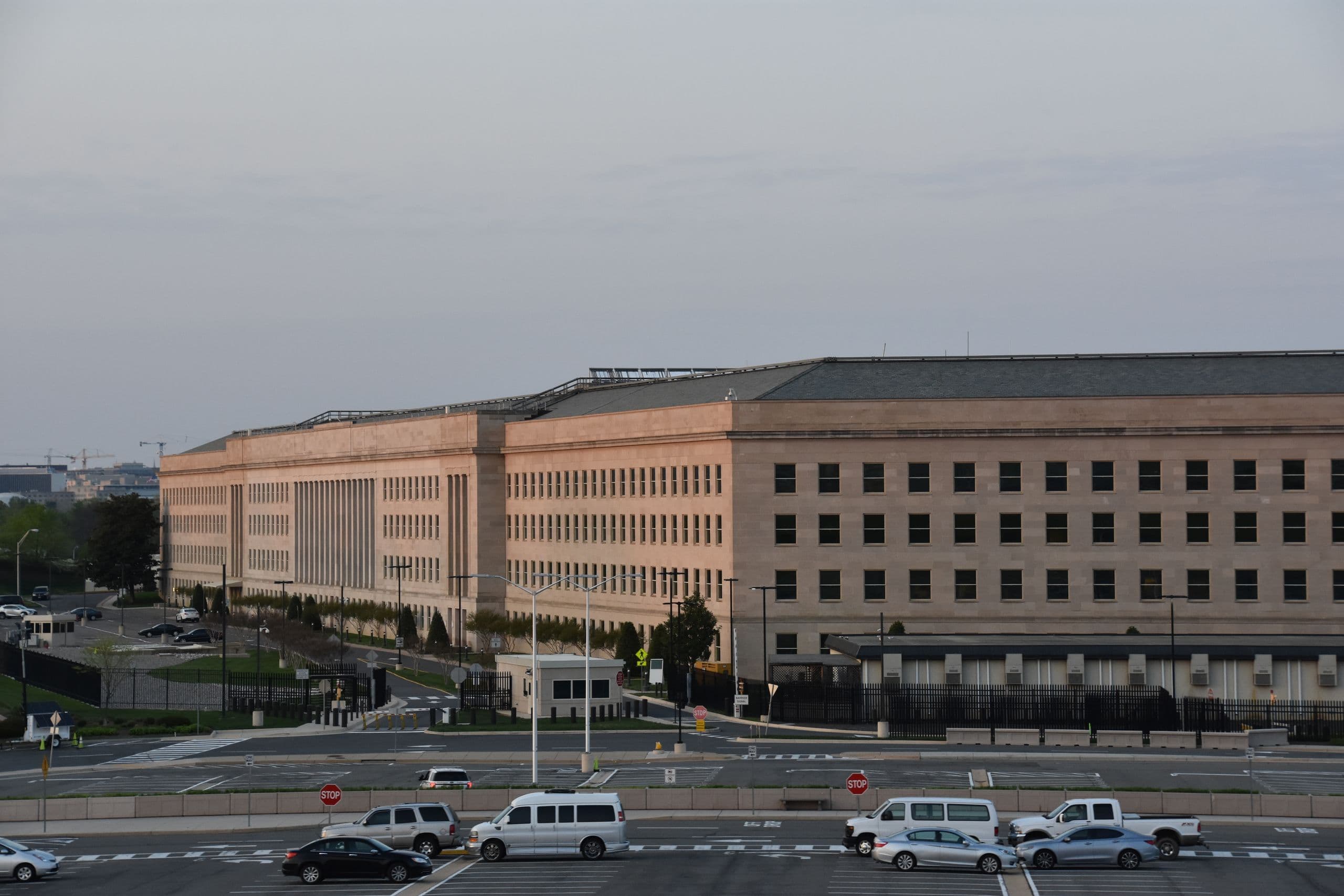
The Pentagon has created a classified agency, the Information on the Technology Support Office (TSO), to sabotage foreign technology developments that could threaten U.S. military dominance. The office, formed by merging two existing intelligence programs, operates with minimal oversight and has raised concerns about potential overreach.

Editor, Lazyfounder
KEY HIGHLIGHTS
- The Pentagon established the Information on the Technology Support Office (TSO), a covert agency aimed at sabotaging foreign technology threatening U.S. military superiority.
- The TSO was formed in April 2026 by merging two classified intelligence programs active since 2023.
- Led by Deputy Defense Secretary Steve Feinberg and senior advisor Tom Rakusan, both with intelligence backgrounds.
- The TSO counters threats like AI, drones, and robotics using cyberattacks, supply chain disruptions, and disinformation.
- Concerns raised about the TSO’s lack of oversight and potential for intelligence overreach due to its covert nature.
What the TSO does
The Information on the Technology Support Office (TSO) was established in April 2026 to disrupt foreign technology developments that could undermine U.S. military superiority. According to reports from TechRadar, the office was created by merging two classified intelligence programs that had been active since 2023.
The TSO focuses on countering threats in artificial intelligence, drones, and robotics. Its methods include cyberattacks, supply chain disruptions, and disinformation campaigns. However, the office does not launch operations directly. Instead, it procures tools and acts as a connector between other Pentagon programs, pooling approved sabotage resources.
Who leads the TSO
The TSO is led by Deputy Defense Secretary Steve Feinberg, formerly head of the White House’s Intelligence Advisory Board during Donald Trump’s presidency. His senior advisor, Tom Rakusan, has a background in the CIA’s clandestine service. Their combined expertise in intelligence underpins the TSO’s covert operations.
Oversight concerns
The TSO’s covert nature has sparked concerns about transparency and accountability. Jacob Bliss, the Pentagon’s deputy press secretary, dismissed claims about the TSO as misinformation, but reports suggest its classified status limits congressional oversight. This lack of visibility raises questions about potential overreach, echoing historical controversies like COINTELPRO and Project SHAMROCK.
Experts quoted by TechRadar warn that classified operations create opportunities for misdirection or abuse. The balance between secrecy and oversight remains a contentious issue, particularly as the TSO expands its role in global tech sabotage.
Developing: what is not yet confirmed
The following is reported but has not been independently confirmed.
Some claims about the TSO’s structure and operations remain unverified. While reports indicate the office was formed in April 2026, details about its budget, specific targets, and approval processes are not publicly confirmed. The Pentagon has not released official documentation about the TSO’s existence or mandate.
What this means
Lazyfounder analysis — our interpretation, not reported fact.
The TSO’s creation signals a shift in how the U.S. addresses threats from foreign technology. For founders and operators in defense-adjacent sectors—particularly AI, drones, and robotics—the office’s activities could introduce new risks. Even if a startup’s work is civilian-focused, the TSO’s broad mandate means indirect disruptions, such as supply chain interference or cyber vulnerabilities, are possible. The lack of transparency also complicates compliance and investment decisions, as the rules of engagement remain unclear. Startups in these spaces may need to proactively assess their exposure to geopolitical risks and diversify their operational dependencies.
Key takeaways
- Founders in defense, AI, drones, or robotics may face heightened scrutiny or indirect disruptions if their technology is perceived as a strategic threat by U.S. agencies.
- The TSO’s focus on supply chain disruptions could impact startups reliant on global suppliers, particularly those in dual-use technology sectors.
- The lack of transparency around the TSO’s operations may create uncertainty for investors funding cutting-edge tech, especially in areas like AI and cybersecurity.
- Startups in these sectors should plan for potential regulatory or operational hurdles, even if their work is civilian-focused.
Related on Lazyfounder
Sources
- TechRadar · 2026-10-24
The Pentagon has a covert tech sabotage agency that they really don’t want you to know about — and there are big questions about its oversight
This story is an original summary drafted with AI by Lazyfounder from the reporting listed above and checked by automated validation. Facts are attributed to their original publishers; sections marked as analysis are Lazyfounder's. Where a source is in another language, facts were machine-translated and quotations are reported, not reproduced. Read the original coverage via the links, and see our AI policy and corrections policy.

About the author
Editor, Lazyfounder
Tarun Mottlia edits LazyFounders, covering Indian startups, funding rounds, AI and product launches. Every story on the site is AI-assisted and checked against its cited sources before publication.
More stories by Tarun MottliaGet the LazyFounder Brief
Startup, funding and AI news in a five-minute read. Join the early-access list.
