
Pegasus spyware co-founder urges governments to build sovereign AI for national security
Shalev Hulio, co-founder of the controversial NSO Group and now CEO of AI cyber defence firm Dream, is advocating for governments to develop their own sovereign AI models. Hulio argues that relying on US-based AI infrastructure for national security poses risks, and governments should instead control their own AI systems. Dream, which has raised $400 million and serves over a dozen countries, offers AI-driven cyber defence tools tailored for government use.

Editor, Lazyfounder
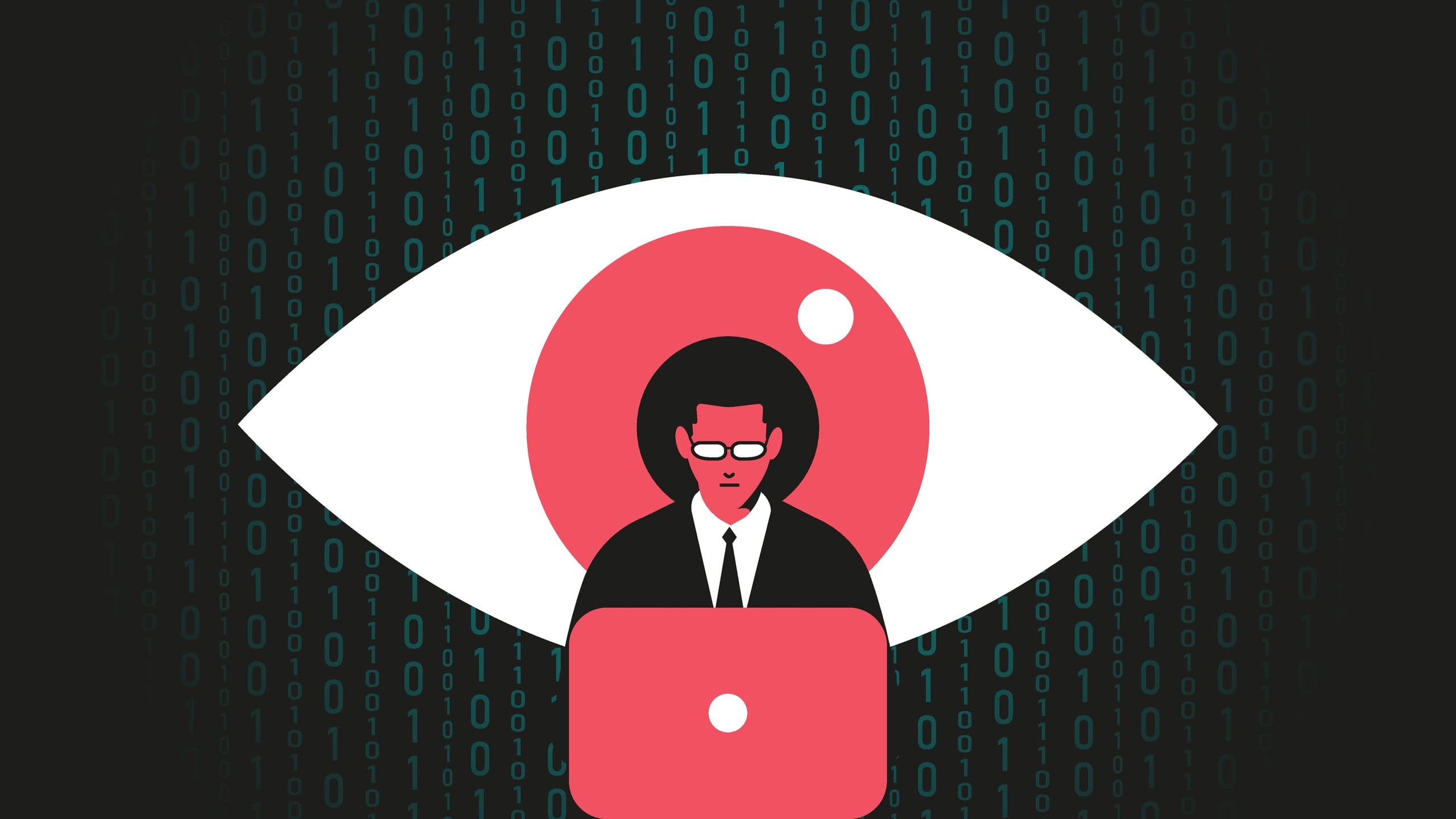
Why sovereign AI matters for national security
Shalev Hulio, co-founder of NSO Group and its Pegasus spyware, has called on governments to prioritize sovereign AI models over reliance on US-based AI infrastructure for national security. Hulio, now co-founder of AI cyber defence firm Dream, emphasized the need for governments to "control your own AI" to safeguard against external threats and vulnerabilities.
His stance follows years of controversy surrounding NSO Group, whose Pegasus spyware was used to monitor politicians, journalists, and business leaders globally. The company was blacklisted by the US government and faced criticism from the UN and EU for its role in deploying spyware through exploits like the WhatsApp flaw.
Dream’s AI-driven cyber defence tools
Founded in 2022 by Hulio and former Austrian chancellor Sebastian Kurz, Dream focuses on AI-enabled cyber defence for governments. The company has raised $400 million at a $3 billion valuation and serves over a dozen countries across Europe, Asia, and the Middle East.
Dream’s portfolio includes an AI-enhanced national-scale cyber defence system, a platform for discovering software vulnerabilities, and sovereign AI models tailored for government use. These models are trained on customers’ data to align with their specific needs and reduce costs.
One of Dream’s notable achievements was detecting an AI-driven cyber attack on Taiwan’s government agencies, including its nuclear safety agency. The attack, attributed to Chinese hackers, was the first recorded instance of an autonomous AI end-to-end breach, where open-source AI models were used to identify and exploit vulnerabilities.
The shift from spyware to AI defence
Hulio’s pivot from NSO Group’s controversial spyware to AI-driven cyber defence reflects a broader industry trend: the growing intersection of artificial intelligence and national security. While NSO Group faced scrutiny for enabling surveillance, Dream positions itself as a solution to counter AI-powered threats.
The company’s focus on sovereign AI models aligns with a rising demand among governments to reduce dependence on foreign technology providers. By offering bespoke AI systems trained on local data, Dream aims to address concerns about data privacy, control, and security.
What this means
Lazyfounder analysis — our interpretation, not reported fact.
Hulio’s push for sovereign AI models highlights a critical tension for governments: the need for advanced AI capabilities versus the risks of relying on foreign infrastructure. For founders and operators in cybersecurity and AI, Dream’s trajectory signals a growing market for government-specific AI tools, particularly in regions where geopolitical tensions are driving demand for localized solutions.
The story also underscores the importance of ethical considerations in AI development. While NSO Group’s Pegasus spyware was criticized for enabling surveillance, Dream’s focus on defence could reshape perceptions of how AI is deployed in national security. For investors, Dream’s $3 billion valuation and rapid adoption by governments suggest strong potential in the sovereign AI space, especially as countries prioritize cyber resilience.
Related on Lazyfounder
Sources
- TechRadar · 2026-10-27
‘You want to control your own AI’: Pegasus spyware founder tells governments to push for sovereign AI and national security over reliance on US AI
This story is an original summary drafted with AI by Lazyfounder from the reporting listed above and checked by automated validation. Facts are attributed to their original publishers; sections marked as analysis are Lazyfounder's. Where a source is in another language, facts were machine-translated and quotations are reported, not reproduced. Read the original coverage via the links, and see our AI policy and corrections policy.

About the author
Editor, Lazyfounder
Tarun Mottlia edits LazyFounders, covering Indian startups, funding rounds, AI and product launches. Every story on the site is AI-assisted and checked against its cited sources before publication.
More stories by Tarun MottliaGet the LazyFounder Brief
Startup, funding and AI news in a five-minute read. Join the early-access list.
