
Northern Ireland’s heating oil crisis deepens financial strain on families
Northern Ireland is facing a heating oil crisis, with prices surging to record levels and placing a severe financial strain on households and businesses. Childminders, in particular, are feeling the pinch, as rising energy costs threaten the sustainability of their operations and force difficult conversations about fee increases.

Editor, Lazyfounder
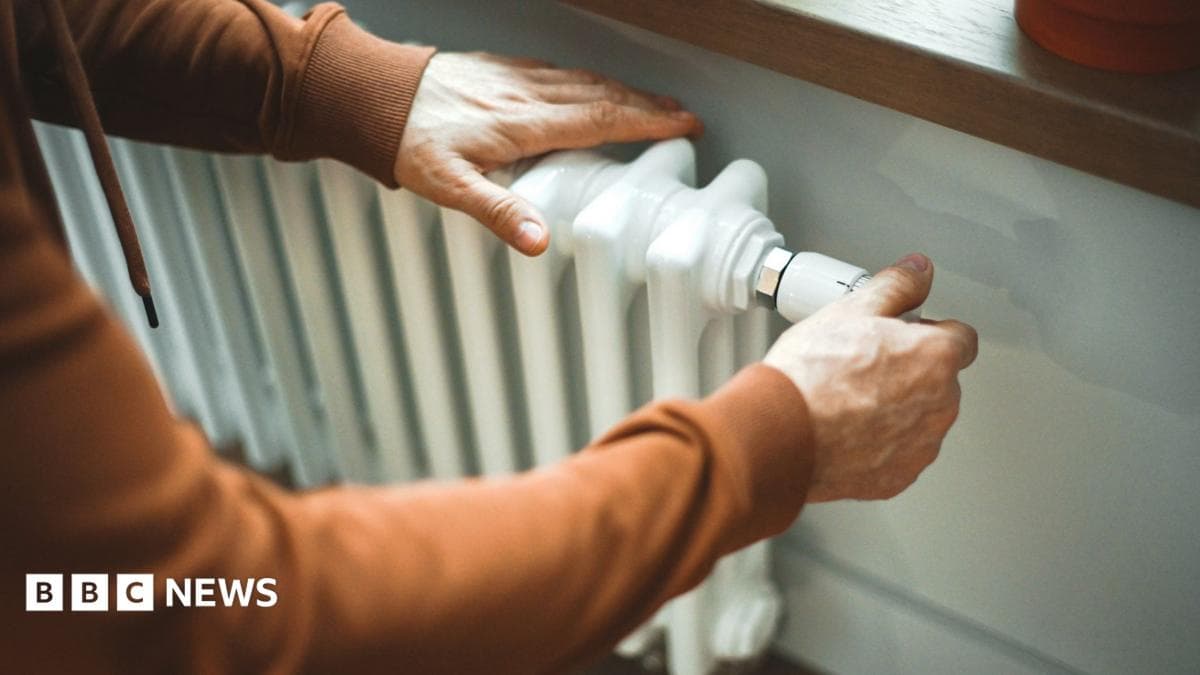
Northern Ireland is facing a heating oil crisis, with prices surging to record levels and placing a severe financial strain on households and businesses. Childminders, in particular, are feeling the pinch, as rising energy costs threaten the sustainability of their operations and force difficult conversations about fee increases.
30 SEC SUMMARY
- Northern Ireland faces a severe heating oil crisis, with prices doubling for some households over the past year.
- 62.5% of homes in Northern Ireland rely on heating oil, the highest proportion in the UK, due to an unregulated market.
- Childminders and households are struggling with rising costs, exacerbated by geopolitical tensions like the war in Iran.
- The average price for 500 litres of heating oil reached £561.83 on 24 September 2026, adding financial strain.
- Families and businesses are forced to make difficult choices, including cutting back on essentials like childcare and after-school activities.
TABLE OF CONTENTS
- Rising costs burden households and businesses
- Childminders face impossible choices
- Geopolitical tensions compound the crisis
- Developing: what is not yet confirmed
- What this means
- Key takeaways
- FAQ
- Sources
KEY HIGHLIGHTS
- 62.5% of Northern Ireland homes rely on heating oil, the highest proportion in the UK, due to an unregulated market.
- The average price for 500 litres of heating oil was £561.83 on 24 September 2026, up significantly from the previous year.
- Childminders like Rachel Jeffers face financial strain, with some considering fee increases to offset rising energy costs.
- Geopolitical tensions, including the war in Iran, are contributing to global energy price volatility.
- Households are cutting back on non-essentials, including after-school activities, to manage higher heating costs.
Rising costs burden households and businesses
Northern Ireland is grappling with a sharp increase in home heating oil costs, which have doubled for some households over the past year. According to BBC News, the average price for 500 litres of heating oil reached £561.83 on 24 September 2026, exacerbating financial pressures on families and businesses.
The region’s heavy reliance on heating oil—62.5% of homes use it, the highest proportion in the UK—leaves consumers particularly vulnerable. Unlike other energy markets, Northern Ireland’s heating oil sector is unregulated, meaning global price fluctuations are quickly passed on to customers.
Childminders face impossible choices
Rachel Jeffers, a childminder in Stewartstown, County Tyrone, told BBC News that the cost of heating oil for her home has "doubled" since last year. Last week, she purchased 500 litres for £560, a significant expense for her household and business. While Jeffers has not yet raised her childminding fees, she acknowledged that discussions about doing so are ongoing.
Jeffers also highlighted the emotional toll of the crisis. She described the guilt she feels when considering fee increases, as the families she works with have become an "extension of [her] family." Additionally, she has had to reconsider after-school activities for her own children due to the financial strain.
In response to the situation, Jeffers emphasized that prices rise faster than they fall—a concern echoed by other consumers navigating the volatile market.
Geopolitical tensions compound the crisis
The surge in heating oil prices is partly attributed to global geopolitical tensions, including the war in Iran. According to BBC News, these conflicts are having a direct impact on energy prices across the UK and Ireland.
Consumer advocacy groups, such as the Consumer Council NI (CCNI), have noted that the unregulated nature of the heating oil market leaves consumers with little protection against rapid price hikes. The lack of oversight means that households and businesses must adapt quickly to rising costs or face difficult financial decisions.
Developing: what is not yet confirmed
The following is reported but has not been independently confirmed.
Some claims in the reporting remain unverified. For example, the direct impact of the war in Iran on Northern Ireland’s heating oil prices has not been independently confirmed. Additionally, while Rachel Jeffers reported doubling her heating oil costs, broader data on how widespread this trend is among households and businesses is not yet available.
What this means
Lazyfounder analysis — our interpretation, not reported fact.
This situation underscores the vulnerability of regions dependent on unregulated energy markets, particularly those reliant on a single fuel source like heating oil. For founders and operators, the crisis highlights the importance of diversifying energy sources and exploring cost mitigation strategies, such as bulk purchasing or community cooperatives, to reduce exposure to volatile global markets.
The financial strain on childminders also raises broader questions about the sustainability of small businesses in essential sectors like childcare. Operators may need to consider flexible pricing models or government advocacy to ensure their services remain accessible amid rising costs. Finally, the geopolitical risks driving energy price spikes serve as a reminder that global events can have direct, localized impacts—something startups in energy-dependent industries must account for in their planning.
Key takeaways
- Northern Ireland’s reliance on heating oil leaves households and businesses exposed to unregulated price fluctuations.
- Geopolitical tensions, such as conflicts in the Middle East, are directly impacting energy costs for consumers.
- Childminders and small businesses face impossible choices between increasing fees, cutting services, or absorbing losses.
- The lack of regulation in the heating oil market means price increases are rapidly passed to consumers, with no safeguards.
- Households are forced to prioritize essential spending, often at the expense of discretionary activities like after-school programs.
FAQ
Why are heating oil prices rising so rapidly in Northern Ireland?
The heating oil market in Northern Ireland is unregulated, meaning global price increases—driven by factors like geopolitical tensions and supply chain disruptions—are quickly passed on to consumers. The region’s heavy reliance on heating oil also amplifies the impact of these fluctuations.
How are childminders affected by the heating oil crisis?
Childminders are facing higher operational costs due to rising heating oil prices. Some, like Rachel Jeffers, are considering fee increases to offset these expenses, but they worry about the financial burden this could place on families. Others may cut back on non-essential spending, such as after-school activities for their own children.
What percentage of homes in Northern Ireland use heating oil?
According to BBC News, 62.5% of homes in Northern Ireland rely on heating oil, the highest proportion in the UK.
Related on Lazyfounder
Sources
- BBC News (Tech & Business) · 2026-09-28
Home heating oil costs: Childminder facing 'severe financial burden'
This story is an original summary drafted with AI by Lazyfounder from the reporting listed above and checked by automated validation. Facts are attributed to their original publishers; sections marked as analysis are Lazyfounder's. Where a source is in another language, facts were machine-translated and quotations are reported, not reproduced. Read the original coverage via the links, and see our AI policy and corrections policy.

About the author
Editor, Lazyfounder
Tarun Mottlia edits LazyFounders, covering Indian startups, funding rounds, AI and product launches. Every story on the site is AI-assisted and checked against its cited sources before publication.
More stories by Tarun MottliaGet the LazyFounder Brief
Startup, funding and AI news in a five-minute read. Join the early-access list.
