
Nigeria’s Healthcare System Failures Force Startups and Informal Sector to Step In
Nigeria’s healthcare system is struggling with underfunding, coordination failures, and reliance on donor funding. Private startups and the informal sector are stepping in to fill gaps, but their solutions highlight deeper systemic challenges.

Editor, Lazyfounder
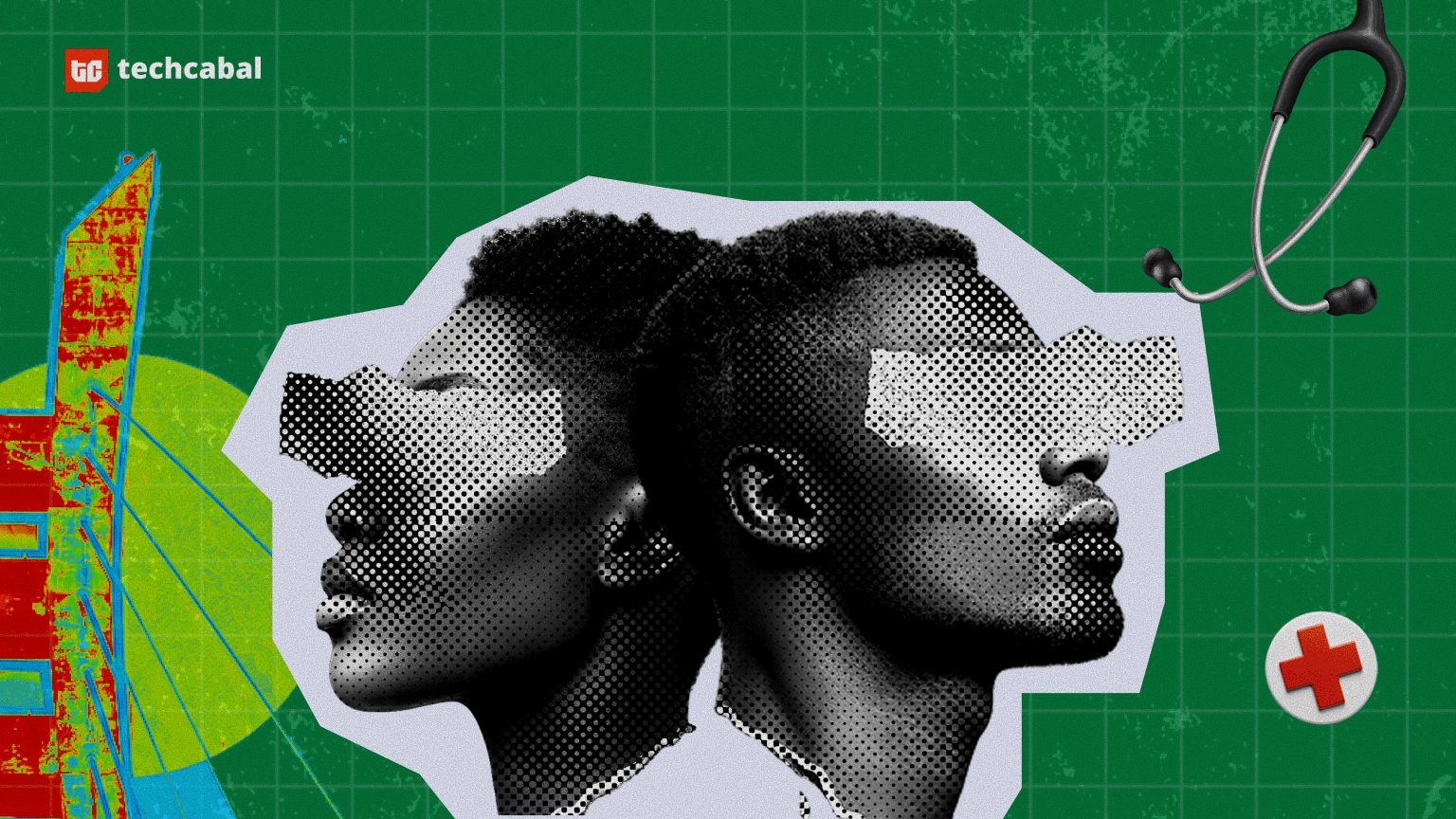
Nigeria’s healthcare system is struggling with underfunding, coordination failures, and reliance on donor funding. Private startups and the informal sector are stepping in to fill gaps, but their solutions highlight deeper systemic challenges.
30 SEC SUMMARY
- Nigeria’s healthcare system is failing due to chronic underfunding and poor coordination, leaving critical gaps in emergency services and public health.
- Startups like Medwaka and Whispa are stepping in to address gaps in emergency response and sexual health education.
- Government health spending in Nigeria is below the African regional range of 2–12%, with most funding historically coming from external donors like USAID.
- USAID’s planned withdrawal in 2025 exposes reliance on donor funding for healthtech credibility and disease surveillance.
- The informal healthcare sector, including unlicensed clinics, absorbs patients neglected by the public system.
TABLE OF CONTENTS
- Systemic Failures in Nigeria’s Healthcare
- Startups Addressing Critical Gaps
- Donor Funding and Its Limitations
- The Rise of the Informal Healthcare Sector
- What this means
- Key takeaways
- FAQ
- Sources
KEY HIGHLIGHTS
- Medwaka pivoted from solving blood donation shortages to creating an emergency services coordination platform.
- Government health spending in Nigeria is far below the African regional average of 2–12%.
- USAID’s withdrawal in 2025 highlights reliance on donor funding for healthtech credibility and disease surveillance.
- Whispa provides confidential sexual health information to young people due to stigma and lack of education.
- The informal healthcare economy, including unlicensed clinics, serves patients neglected by the public system.
Systemic Failures in Nigeria’s Healthcare
According to TechCabal, Nigeria’s healthcare system is plagued by coordination failures, particularly in emergency medical services. These gaps have forced private startups and informal providers to step in where the public system has failed.
Government spending on healthcare in Nigeria is significantly below the African regional range of 2–12%, as reported by TechCabal. This underfunding has left primary healthcare centres struggling to meet basic needs, creating demand for alternative solutions.
Startups Addressing Critical Gaps
Medwaka, a Nigerian healthtech startup, initially focused on solving blood donation shortages for pregnant women but pivoted to building a dispatch and coordination platform for emergency services. The founders identified a gap in the public system’s ability to manage emergencies effectively, a failure they describe as something a functional system should have addressed long ago.
Whispa, another Nigerian startup, focuses on sexual and reproductive health. It provides confidential information to young people, addressing stigma and the lack of sex education in schools. TechCabal reports that access to contraceptives in Nigeria is limited more by cultural barriers than supply constraints.
Donor Funding and Its Limitations
Over the past two decades, most of Nigeria’s health financing has come from external donors like USAID, according to TechCabal. This reliance on donor funding has created vulnerabilities for healthtech startups, which often depend on these partnerships for credibility and operational support.
The planned withdrawal of USAID funding in 2025 has exposed these weaknesses. Disease surveillance systems, for example, reportedly failed when USAID funding was withdrawn, revealing a lack of alternative infrastructure. Healthtech innovations, often built around gaps left by the government, face challenges sustaining their impact without foreign funds.
The Rise of the Informal Healthcare Sector
The failures of Nigeria’s formal healthcare system have led to the growth of an informal sector, including patent medicine vendors and unlicensed clinics. These providers absorb patients who cannot access or afford public healthcare, operating largely outside regulatory oversight.
TechCabal highlights that this parallel economy raises concerns about quality and safety. The Nigerian Life Compendium, a project documenting healthcare challenges, notes instances where the system shifts responsibilities to families or leaves critical gaps unfilled, forcing individuals to rely on unregulated alternatives.
What this means
Lazyfounder analysis — our interpretation, not reported fact.
Nigeria’s healthcare crisis reveals a troubling cycle: systemic failures in public institutions create opportunities for private startups, but these solutions often become Band-Aids rather than sustainable fixes. Medwaka and Whispa are addressing urgent needs, but their work highlights the absence of a functional public system. Donor funding has been a lifeline, yet its unpredictability exposes deeper issues—startups risk becoming dependent on external support, undermining their long-term viability.
The informal healthcare sector further complicates the landscape. While it provides access to care for millions, its unregulated nature poses risks to patient safety and public health outcomes. For founders and operators, this environment demands more than innovation; it requires navigating fragility, building resilience, and questioning whether their solutions enable further disengagement from the state. The bigger challenge is whether healthtech can drive systemic change—or if it will remain a stopgap in a broken system.
Key takeaways
- Nigeria’s public healthcare system suffers from underfunding and lack of coordination, particularly in emergency services.
- Private startups like Medwaka and Whispa are innovating to fill gaps in emergency response and sexual health education.
- Donor funding, such as USAID’s, has been critical for healthtech startups but is unsustainable in the long term.
- Stigma and lack of education limit access to sexual and reproductive health services in Nigeria.
- The informal healthcare sector plays a significant role in serving patients failed by the formal system.
FAQ
Why is Nigeria’s healthcare system failing?
Nigeria’s healthcare system suffers from chronic underfunding, poor coordination, and reliance on donor funding. Government spending on health is below the African regional average, leaving primary healthcare centres under-resourced and emergency services ineffective.
How are startups addressing Nigeria’s healthcare gaps?
Startups like Medwaka and Whispa are filling gaps in emergency response coordination and sexual health education. Medwaka built a platform for emergency services, while Whispa provides confidential information to young people facing stigma and lack of education.
What happens when donor funding like USAID withdraws?
Donor funding has been critical for healthtech credibility, disease surveillance, and partnerships. USAID’s planned withdrawal in 2025 exposes vulnerabilities, as startups may struggle to sustain operations without alternative funding or government support.
What is the role of the informal healthcare sector in Nigeria?
The informal sector, including unlicensed clinics and patent medicine vendors, serves patients neglected by the formal system. While it provides access to care, it operates outside regulatory oversight, raising concerns about quality and safety.
Can healthtech startups fix Nigeria’s healthcare system?
Healthtech startups are addressing urgent gaps, but they cannot single-handedly fix systemic failures. Sustainable solutions require government investment, policy reforms, and long-term funding strategies beyond donor dependencies.
Related on Lazyfounder
Sources
- TechCabal · 2026-10-01
Nigeria’s healthcare system is broken. Who fills the gaps?
This story is an original summary drafted with AI by Lazyfounder from the reporting listed above and checked by automated validation. Facts are attributed to their original publishers; sections marked as analysis are Lazyfounder's. Where a source is in another language, facts were machine-translated and quotations are reported, not reproduced. Read the original coverage via the links, and see our AI policy and corrections policy.

About the author
Editor, Lazyfounder
Tarun Mottlia edits LazyFounders, covering Indian startups, funding rounds, AI and product launches. Every story on the site is AI-assisted and checked against its cited sources before publication.
More stories by Tarun MottliaGet the LazyFounder Brief
Startup, funding and AI news in a five-minute read. Join the early-access list.