
NHS supply strikes loom as GXO drivers reject 4% pay offer
NHS supply lorry drivers employed by GXO are planning strikes across multiple dates in October and November after rejecting a 4% pay offer. The action could disrupt deliveries of essential medical supplies to hospitals in England.

Editor, Lazyfounder
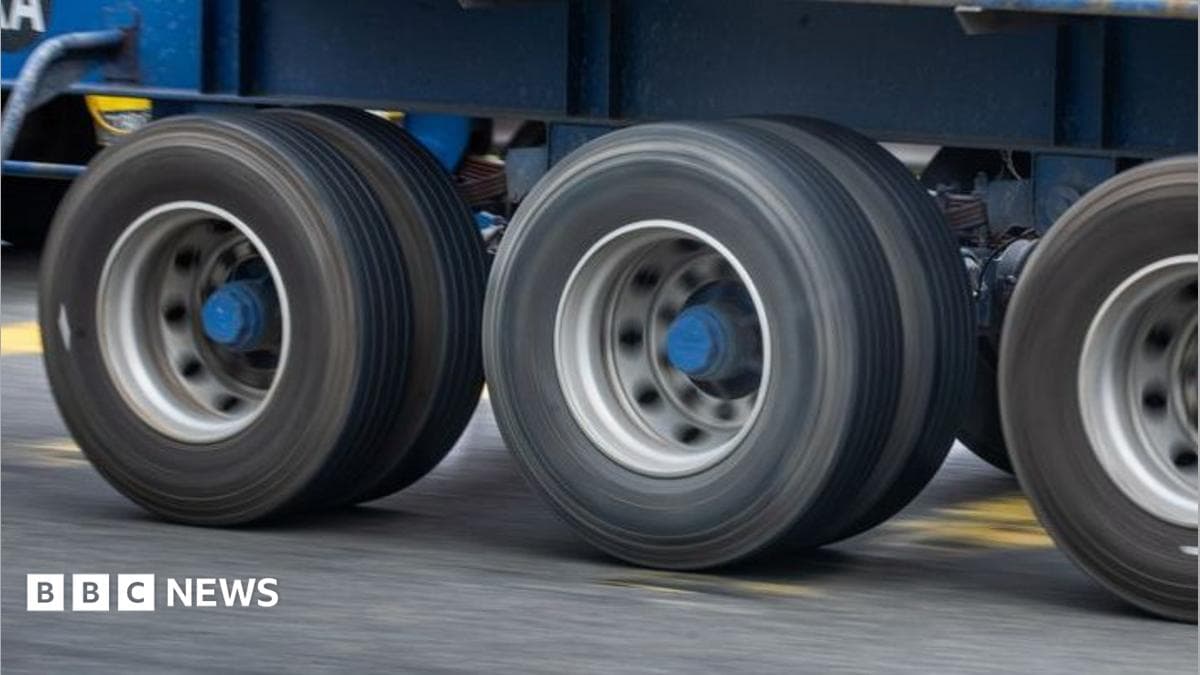
NHS supply lorry drivers employed by GXO are planning strikes across multiple dates in October and November after rejecting a 4% pay offer. The action could disrupt deliveries of essential medical supplies to hospitals in England.
30 SEC SUMMARY
- NHS supply lorry drivers employed by GXO will strike on multiple dates in October and November over a rejected 4% pay offer.
- Strikes will affect depots across England, including Derbyshire, Yorkshire, Kent, Warwickshire, Suffolk, Somerset, and Tyne and Wear.
- GXO and NHS Supply Chain have contingency plans to minimise disruption to medical supply deliveries.
- Drivers deliver essential items like bandages, gloves, and needles to hospitals nationwide.
- Unite union warns that strike action could still be avoided with a revised pay offer.
TABLE OF CONTENTS
- Strikes planned over pay dispute
- Union and company responses
- Contingency measures in place
- What this means
- Key takeaways
- FAQ
- Sources
KEY HIGHLIGHTS
- GXO-employed NHS supply lorry drivers will strike on multiple dates in October and November after rejecting a 4% pay offer.
- Strikes will affect depots in Derbyshire, Yorkshire, Kent, Warwickshire, Suffolk, Somerset, and Tyne and Wear.
- Unite regional officer Phil Silkstone says strike action could still be avoided with a revised offer.
- GXO and NHS Supply Chain state they have "robust contingency plans" to minimise disruption to hospital supplies.
Strikes planned over pay dispute
NHS supply lorry drivers employed by logistics company GXO are set to strike on multiple dates in October and November, according to BBC News. The industrial action follows the rejection of a 4% pay offer by union members.
The strikes are scheduled for October 13-15, 20-22, 27-29, and November 3-5 and 10-12. Drivers operate from depots in Derbyshire, Yorkshire, Kent, Warwickshire, Suffolk, Somerset, and Tyne and Wear, which will be affected by the walkouts.
Union and company responses
Phil Silkstone, a regional officer for trade union Unite, stated that while strike action could still be avoided, it would require "a deal our members can accept." Unite members voted in favour of industrial action after GXO refused to put forward what the union considered a reasonable offer.
Silkstone’s comments underscored frustration among drivers over the 4% pay proposal, which GXO described as fair.
GXO holds the NHS supply chain contract for Supply Chain Coordination Limited (SCCL), a body wholly owned by NHS England. The drivers are responsible for delivering essential medical supplies, including bandages, gloves, and needles, to hospitals across England.
Contingency measures in place
GXO and NHS Supply Chain have indicated they have "robust contingency plans" in place to minimise disruption during the strikes. However, details of these plans have not been disclosed.
A spokesperson for the organisations emphasised that patient care remains "of paramount importance" and that they are focused on maintaining safe and effective operations throughout the strike period.
What this means
Lazyfounder analysis — our interpretation, not reported fact.
This dispute highlights the fragility of critical supply chains in healthcare, even when managed by large logistics providers. For founders and operators, it’s a reminder that labour negotiations can directly impact service reliability, especially in sectors where just-in-time delivery is non-negotiable. The rejection of a 4% pay offer—described as "fair" by GXO—suggests deeper dissatisfaction among workers, possibly around inflation eroding real wages or perceived inequities. Contingency plans may soften the blow, but prolonged strikes could expose gaps in resilience planning. Startups in logistics, healthcare, or adjacent fields should take note: workforce morale isn’t just an HR issue—it’s a operational risk.
Key takeaways
- GX0-employed NHS supply drivers will strike on five sets of dates in October and November after rejecting a 4% pay offer.
- Strikes will impact depots in seven English regions, disrupting deliveries of medical supplies like bandages, gloves, and needles.
- Unite union says strike action could still be averted if GXO presents an acceptable deal.
- Both GXO and NHS Supply Chain claim they have robust contingency plans to limit disruption during the strikes.
FAQ
Why are NHS supply lorry drivers striking?
The drivers, employed by GXO, rejected a 4% pay offer and voted for industrial action after failing to secure what their union, Unite, described as a reasonable deal.
When will the strikes take place?
Strikes are planned for October 13-15, 20-22, 27-29, and November 3-5 and 10-12.
How might the strikes affect hospitals?
The strikes could disrupt deliveries of medical supplies such as bandages, gloves, and needles. However, GXO and NHS Supply Chain say they have contingency plans to limit the impact.
Related on Lazyfounder
Sources
- BBC News (Tech & Business) · 2026-10-06
NHS supply lorry drivers to strike in pay dispute
This story is an original summary drafted with AI by Lazyfounder from the reporting listed above and checked by automated validation. Facts are attributed to their original publishers; sections marked as analysis are Lazyfounder's. Where a source is in another language, facts were machine-translated and quotations are reported, not reproduced. Read the original coverage via the links, and see our AI policy and corrections policy.

About the author
Editor, Lazyfounder
Tarun Mottlia edits LazyFounders, covering Indian startups, funding rounds, AI and product launches. Every story on the site is AI-assisted and checked against its cited sources before publication.
More stories by Tarun MottliaGet the LazyFounder Brief
Startup, funding and AI news in a five-minute read. Join the early-access list.