
TechRadar
Microsoft's Maia 300 swaps raw compute for a 2.5x memory bandwidth gain as it moves to make in-house silicon its main AI engine while claiming a 40% efficiency bump — could going the Google route be the pin that pops the Nvidia AI bubble?
Can in-house chips pop the AI bubble?

Via TechRadar
·Excerpt
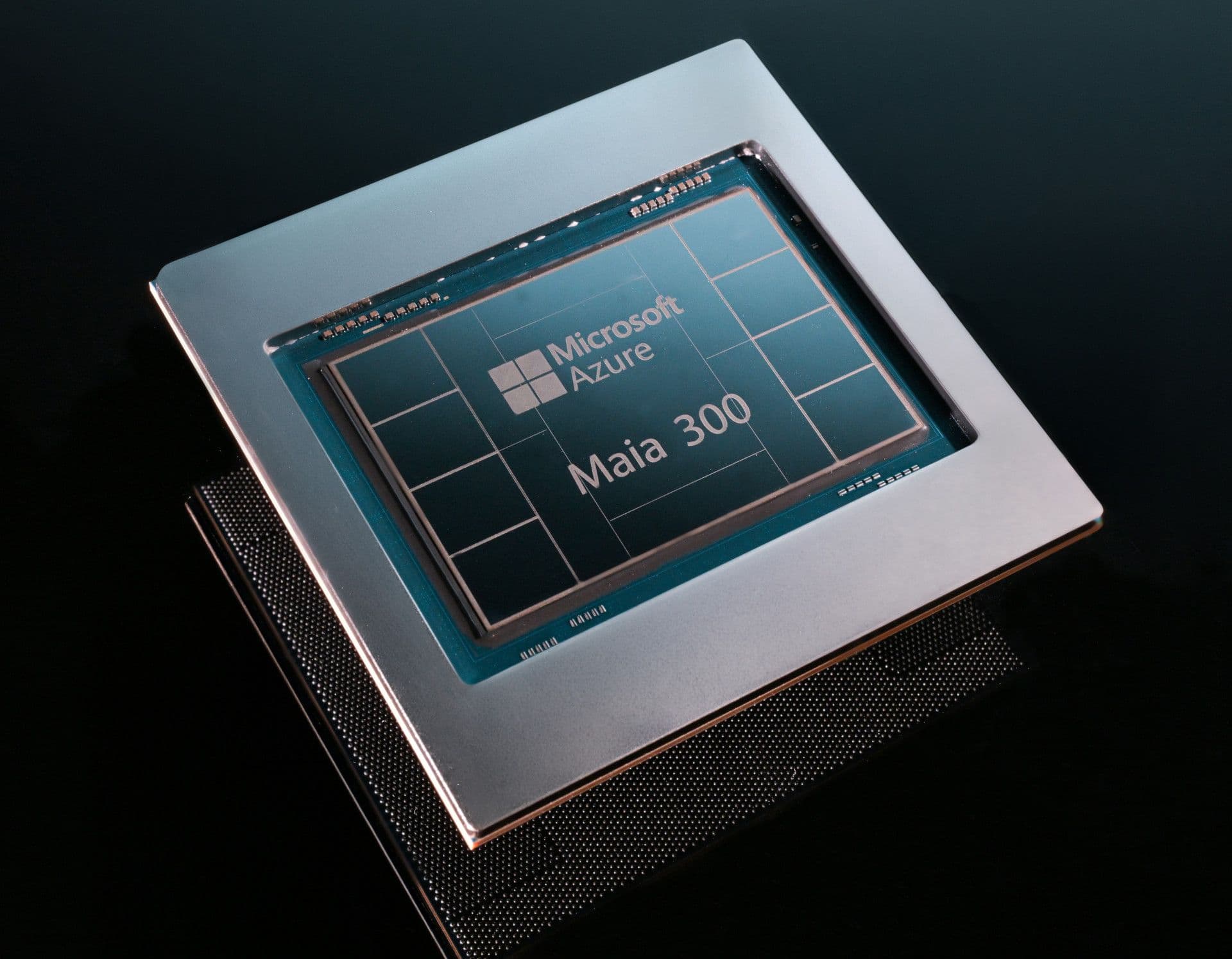
(Image credit: Microsoft)
Microsoft will make Maia its main inference engine at multi-gigawatt scale, following Google and Amazon into in-house silicon
Microsoft's upcoming Maia 300 trades a modest 36% compute gain for 2.5x Maia 200's memory bandwidth, betting on memory-bound decode, with production in 2027
Hyperscalers supply just over half of Nvidia's data center revenue at a 75% gross margin, so each move to in-house chips affects not only its pricing power but the chip industry's sustainability as a whole
Courtesy
This story was originally published by TechRadar. All rights belong to the original publisher.
Read the original on techradar.com ↗