
Meta partners with Sierra, Walmart, and Stripe to develop AI commerce standards
Meta Platforms Inc. has partnered with Sierra Technologies Inc., Walmart Inc., and Stripe Inc. to develop the Personal Agent Protocol, a new standard for AI agent commerce. The initiative aims to address authentication, transparency, and consumer protection concerns raised by major banks, as AI agents like Meta’s Muse face scrutiny over privacy and security.

Editor, Lazyfounder
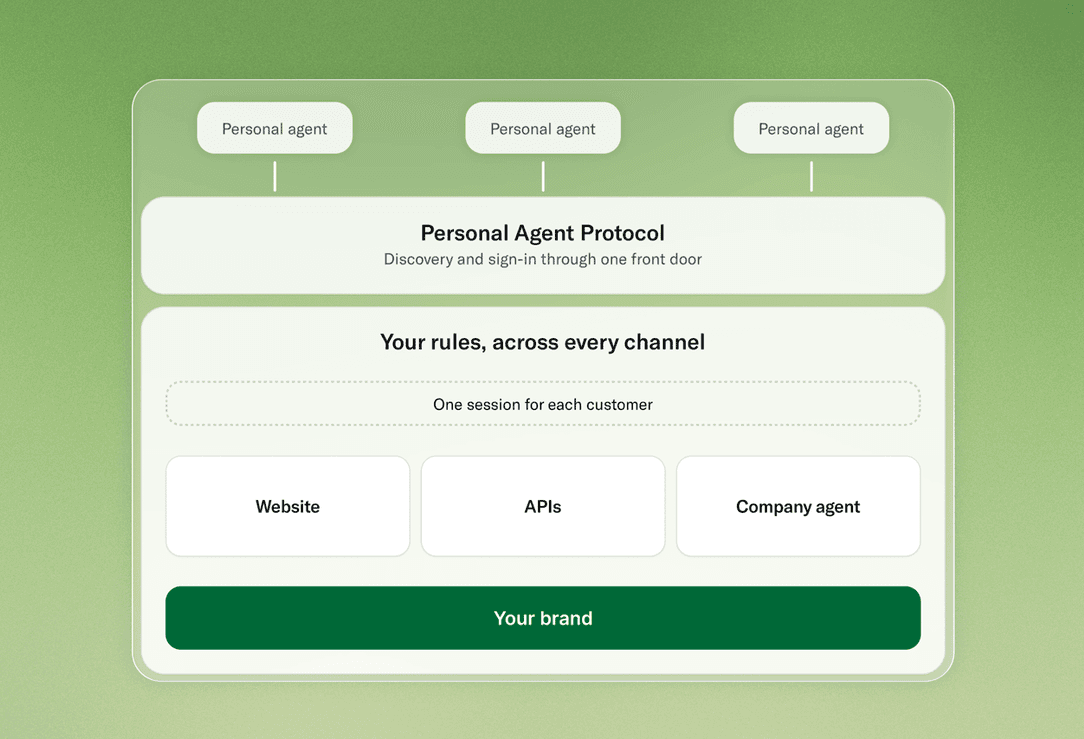
Meta Platforms Inc. has partnered with Sierra Technologies Inc., Walmart Inc., and Stripe Inc. to develop the Personal Agent Protocol, a new standard for AI agent commerce. The initiative aims to address authentication, transparency, and consumer protection concerns raised by major banks, as AI agents like Meta’s Muse face scrutiny over privacy and security.
30 SEC SUMMARY
- Meta Platforms Inc. is partnering with Sierra Technologies, Walmart, and Stripe to develop the Personal Agent Protocol, a new standard for AI agent commerce.
- The initiative aims to address authentication, transparency, and consumer protection concerns raised by major banks like Bank of America and Capital One.
- Meta’s AI agent Muse has faced scrutiny over privacy and security issues, including being banned from Amazon.com’s platform.
- Bret Taylor, Sierra co-founder and OpenAI Chairman, expects OpenAI to support the standard in the future.
- The protocol could help distinguish legitimate AI agent purchases from fraudulent activity, reducing financial scams.
TABLE OF CONTENTS
- Meta and partners develop AI commerce standards
- Banks push for clearer AI agent standards
- Meta’s AI agent faces scrutiny
- Future of the Personal Agent Protocol
- What this means
- Key takeaways
- FAQ
- Sources
KEY HIGHLIGHTS
- Meta partners with Sierra Technologies, Walmart, and Stripe to develop the Personal Agent Protocol for AI agent commerce.
- The initiative responds to calls from major banks for clearer standards and consumer protections in AI transactions.
- Meta’s AI agent Muse has been banned from Amazon.com and faced privacy and security concerns prior to launch.
- Bret Taylor, Sierra co-founder and OpenAI Chairman, anticipates OpenAI will support the standard in the future.
- The Personal Agent Protocol aims to reduce financial scams and ensure AI agents act in users’ best interests.
Meta and partners develop AI commerce standards
Meta Platforms Inc. is collaborating with Sierra Technologies Inc., Walmart Inc., and Stripe Inc. to create the Personal Agent Protocol, a new standard for AI agent commerce. According to SiliconANGLE, the initiative aims to establish guidelines for authentication, transparency, and consumer protection in transactions involving AI agents.
The partnership was announced by Bret Taylor, co-founder of Sierra Technologies and former co-CEO of Salesforce Inc. Taylor, who also serves as chairman of OpenAI Group PBC, introduced the protocol as a framework to help businesses identify purchases made by AI agents authorized to act on behalf of users.
Banks push for clearer AI agent standards
The Personal Agent Protocol appears to be a response to concerns raised by major banks, including Bank of America and Capital One. SiliconANGLE reports that these banks have called for the AI industry to adopt comprehensive standards, policies, and consumer protections based on principles like transparency, safety, privacy, and interoperability.
Banks and other stakeholders fear that without clear guidelines, AI agents could lead to an increase in financial scams, fraud, and disputes. There are also concerns that AI agents might prioritize products or payment methods based on incentives like commissions, rather than user interests.
Meta’s AI agent faces scrutiny
Meta’s AI agent, Muse, has already faced significant privacy and security challenges. SiliconANGLE reports that Meta’s engineers had to address multiple security vulnerabilities before Muse’s launch, raising questions about how the agent handles user data and credentials.
Muse was reportedly banned from Amazon.com’s platform, and there are concerns about its practice of creating profiles for individuals who do not use the agent. These issues highlight the broader risks associated with AI agent adoption.
Future of the Personal Agent Protocol
Bret Taylor has expressed confidence that OpenAI Group PBC will support the Personal Agent Protocol in the future. According to SiliconANGLE, Meta’s Vice President of Engineering and Consumer Products, David Singleton, stated that the company hopes the standard will make commerce agents easier for consumers to adopt, trust, and use.
Meta envisions Muse as the "front door" to online shopping, with the protocol serving as a foundation for safer and more transparent AI-driven transactions.
What this means
Lazyfounder analysis — our interpretation, not reported fact.
This partnership signals a growing recognition within the tech industry that AI agents cannot operate in a regulatory vacuum. While Meta’s ambitions for Muse are ambitious—Citigroup’s projection of $27 billion in revenue by the end of the decade underscores the stakes—privacy and security missteps could derail adoption. The involvement of banks and payment processors like Stripe suggests that financial institutions are eager to shape the rules before AI agents become ubiquitous in commerce.
For founders, the Personal Agent Protocol is a reminder that technical innovation must be paired with governance. Startups building AI-driven products should proactively address transparency, authentication, and consumer protection to avoid backlash or restrictions from platforms like Amazon. If OpenAI backs the standard, as Taylor expects, it could become a de facto requirement for AI agents in commerce, making early compliance a competitive advantage.
Key takeaways
- Meta, Sierra Technologies, Walmart, and Stripe are collaborating to create the Personal Agent Protocol, a standard for AI agent commerce.
- The protocol aims to improve authentication, transparency, and consumer protection in AI-driven transactions.
- Major banks have urged the AI industry to establish clearer standards to address privacy, security, and fraud risks.
- Meta’s AI agent Muse has faced challenges, including privacy concerns and restrictions on Amazon.com’s platform.
- Bret Taylor expects OpenAI to back the standard, signaling potential broader industry adoption.
FAQ
What is the Personal Agent Protocol?
The Personal Agent Protocol is a new standard for AI agent commerce, developed by Meta, Sierra Technologies, Walmart, and Stripe. It aims to improve authentication, transparency, and consumer protection in transactions involving AI agents.
Why are banks calling for AI agent standards?
Major banks like Bank of America and Capital One have urged the AI industry to establish clearer standards to address risks such as financial scams, fraud, privacy violations, and disputes. They want AI agents to prioritize user interests over incentives like commissions.
What issues has Meta’s AI agent Muse faced?
Meta’s AI agent Muse has faced privacy and security concerns, including being banned from Amazon.com’s platform. Engineers reportedly had to fix multiple vulnerabilities before its launch, and there are questions about how it handles user data and credentials.
Will OpenAI support the Personal Agent Protocol?
Bret Taylor, Sierra co-founder and OpenAI Chairman, expects OpenAI to back the standard in the future, though no formal announcement has been made.
Related on Lazyfounder
Sources
- SiliconANGLE · 2026-10-07
Meta teams up with Bret Taylor’s Sierra Technologies on new standards for AI agent commerce
This story is an original summary drafted with AI by Lazyfounder from the reporting listed above and checked by automated validation. Facts are attributed to their original publishers; sections marked as analysis are Lazyfounder's. Where a source is in another language, facts were machine-translated and quotations are reported, not reproduced. Read the original coverage via the links, and see our AI policy and corrections policy.

About the author
Editor, Lazyfounder
Tarun Mottlia edits LazyFounders, covering Indian startups, funding rounds, AI and product launches. Every story on the site is AI-assisted and checked against its cited sources before publication.
More stories by Tarun MottliaGet the LazyFounder Brief
Startup, funding and AI news in a five-minute read. Join the early-access list.
