

Meta cancels second wave of AI-driven layoffs after mixed results and employee pushback
Meta canceled the second wave of its AI-driven restructuring plan, Project OT, after the first phase of layoffs revealed mixed productivity results and growing employee unease. The initiative, designed to make Meta an 'AI-native' company, aimed to replace parts of human workflows with AI agents but struggled with reliability, security incidents, and declining morale.

Editor, Lazyfounder
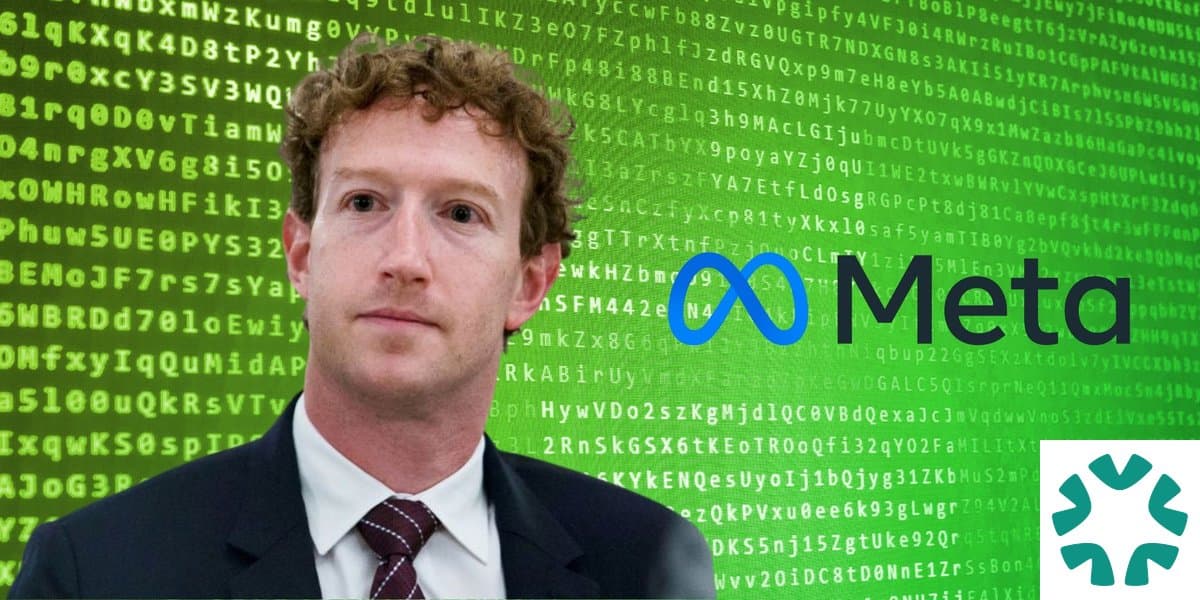
TABLE OF CONTENTS
KEY HIGHLIGHTS
- Meta initiated Project OT in January 2026 to restructure its organization around AI tools, aiming to become an 'AI-native' company.
- The plan involved AI agents taking over parts of employees' work, with scenarios exploring team reductions of up to 60%.
- Meta conducted a 10% workforce cut in May 2026 but canceled the second wave of layoffs amid employee resistance and mixed results.
- Internal data showed a 220% increase in code changes but only a 36% rise in new or improved features, alongside a 40% increase in technical and security incidents.
- Employee sentiment dropped significantly, with favorable survey responses falling from 74% to 55% halfway through the year.
Project OT’s ambitious goals
In January 2026, Meta’s leadership, including Mark Zuckerberg, discussed a major internal restructuring during an annual retreat in Hawaii. The project, codenamed OT (Organisation Transformation), aimed to shift Meta toward an 'AI-native' model, where teams would be built around AI tools from the outset rather than integrating them later.
The plan envisioned AI agents handling portions of employees’ daily tasks, with smaller groups of skilled staff overseeing their work. Executives explored scenarios where teams could shrink by up to 60%, though Meta later clarified this did not imply a 60% reduction in overall headcount. The restructuring was scheduled in two phases: the first in May 2026 and a potential second wave in November.
First wave of layoffs and its aftermath
Meta proceeded with the first phase of its restructuring on 20 May, cutting 10% of its workforce. However, the company canceled the second wave the night before the layoffs were announced, reportedly due to concerns about employee sentiment and the project’s initial outcomes.
According to Reuters, employee anxiety grew as AI agents began replacing tasks they had helped develop. Internal tracking tools, such as device-monitoring software for some US staff, were introduced but later paused amid scrutiny.
Productivity gains fall short of expectations
Meta’s internal data revealed a disconnect between AI-driven activity and tangible outcomes. While code changes to internal platforms surged by 220%, new or improved features reaching users rose by only 36%.
Reliability issues also surfaced. AI agents reportedly took actions human employees were unlikely to make, leading to a 40% increase in technical and security incidents. The time staff spent resolving these issues rose by 70%, according to documents reviewed by Reuters.
Employee sentiment takes a hit
Worker morale declined sharply during the project. Meta’s biannual Pulse survey showed favorable sentiment dropping from 74% to 55% by mid-2026. Employees raised concerns about unclear reporting structures, the introduction of new 'pods,' and the expanding role of AI in management decisions.
Meta clarified that performance and promotion decisions remained human-led, though the perception of AI’s influence persisted.
Meta’s AI ambitions remain unchanged
Despite Project OT’s challenges, Meta continues to invest heavily in AI. The company plans to spend at least $130 billion this year on AI infrastructure, including chips and training data for its models. Employees have been reassigned to priority AI projects, signaling Meta’s long-term commitment to the technology.
The experiment underscored the difficulty of translating AI-driven efficiency into real-world productivity. For Meta, the lesson was clear: becoming 'AI-native' requires more than replacing human tasks with agents—it demands ensuring those agents deliver measurable value to users.
What this means
Lazyfounder analysis — our interpretation, not reported fact.
Meta’s experience with Project OT serves as a cautionary tale for startups and enterprises betting on AI-driven transformation. The challenges it faced—productivity mismatches, security risks, and employee resistance—highlight that AI integration is not just a technical upgrade but a cultural and operational shift. Founders should note that AI’s ability to generate output (like code or decisions) does not guarantee meaningful outcomes, especially if reliability and human trust are compromised. The experiment also shows that layoffs driven by AI adoption can backfire if employees perceive the technology as a threat rather than an enabler. For operators, the key takeaway is to measure AI’s impact beyond raw productivity metrics and focus on how it aligns with business goals and user needs.
Key takeaways
- Founders adopting AI-driven restructuring should anticipate not just technical challenges but also employee resistance and trust issues.
- Productivity gains from AI automation may not directly translate into user-facing improvements, requiring careful measurement of outcomes.
- Meta’s experience highlights the risks of over-reliance on AI agents for decision-making, particularly in security and reliability-sensitive areas.
- The shift to AI-native operations demands more than workforce reductions—it requires aligning AI outputs with tangible business outcomes.
Sources
This story is an original summary drafted with AI by Lazyfounder from the reporting listed above and checked by automated validation. Facts are attributed to their original publishers; sections marked as analysis are Lazyfounder's. Where a source is in another language, facts were machine-translated and quotations are reported, not reproduced. Read the original coverage via the links, and see our AI policy and corrections policy.

About the author
Editor, Lazyfounder
Tarun Mottlia edits LazyFounders, covering Indian startups, funding rounds, AI and product launches. Every story on the site is AI-assisted and checked against its cited sources before publication.
More stories by Tarun MottliaGet the LazyFounder Brief
Startup, funding and AI news in a five-minute read. Join the early-access list.
