
Medieval farming practices amplified deadly lake tsunami risks in Italy, study finds
A study published in Nature Communications shows that medieval farming practices near Lake Iseo in northwestern Italy significantly increased sediment accumulation, amplifying the risk of deadly lake tsunamis in the 12th and 13th centuries. Researchers warn that similar human-driven erosion could recreate these risks in populated lakeshore areas worldwide.

Editor, Lazyfounder
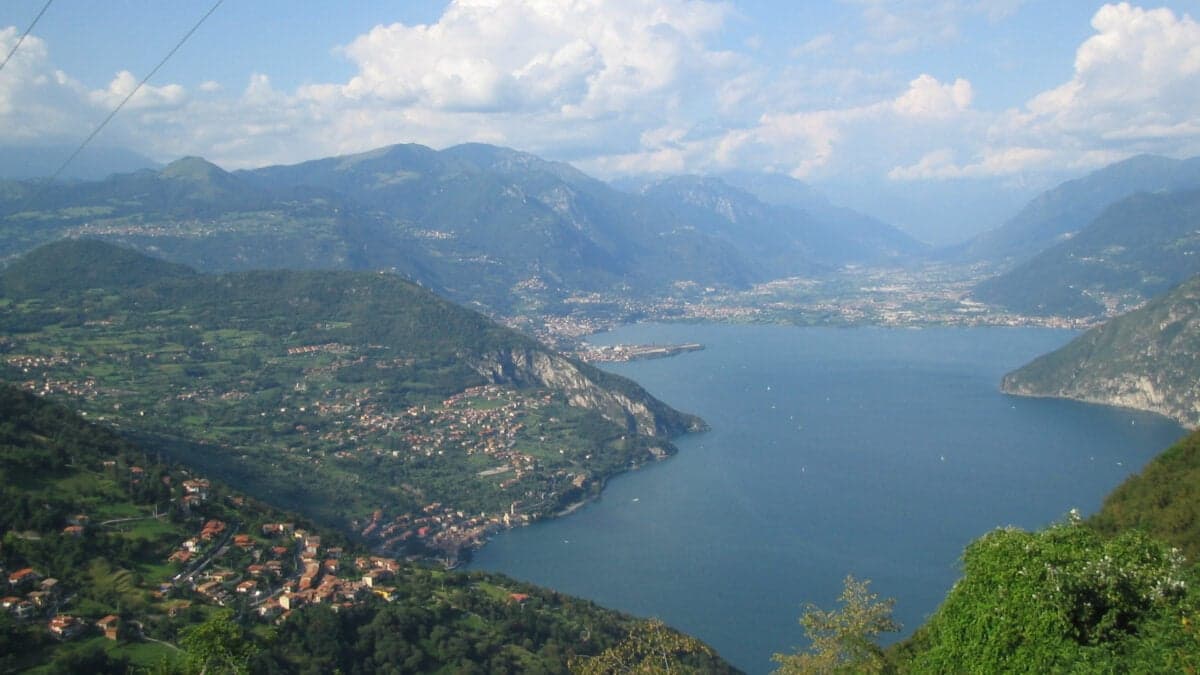
How medieval farming altered geological risks
Researchers from the University of Bern and Khalifa University of Science and Technology found that medieval farming near Lake Iseo in northwestern Italy led to a threefold increase in sediments due to human-driven erosion. This accumulation heightened the risk of landslides and tsunamis triggered by earthquakes, according to claims reported by Gizmodo.
The study combines geological and historical evidence to show that two major earthquakes in 1117 and 1222 triggered massive landslides and tsunamis in the lake. The 1117 event caused flooding up to 2.7 kilometers inland along the Oglio River, while the 1222 collapse generated waves up to 13 meters high.
Human-driven erosion as a long-term hazard
The study highlights that human activities, such as farming, can create lasting geological legacies that amplify natural hazards. Sediment accumulation near Lake Iseo, reloaded over six centuries, demonstrates how historical land use can influence modern disaster risks.
Similar lake tsunami events have been reported in Switzerland, Alaska, and New Zealand, suggesting a global pattern. The researchers warn that authorities must account for historical sediment accumulation and geological faults when assessing risks in lakeshore regions.
Historical accounts and modern implications
A medieval manuscript cited in the study describes the 1117 tsunami, noting that lakes rose so dramatically that few villagers escaped the danger. The study’s authors emphasize that while the Black Death briefly eased land-use pressure after 1222, erosion spiked again from 1661, underscoring the recurring nature of these risks.
The findings serve as a warning for regions with similar geological conditions. Populated lakeshores, particularly those with historical or ongoing human-driven erosion, may face heightened risks of tsunamis triggered by earthquakes or landslides.
What this means
Lazyfounder analysis — our interpretation, not reported fact.
This study is a reminder that human activity can reshape natural hazards over centuries, often in ways that are invisible until a disaster occurs. For founders and operators in urban planning, insurance, or climate resilience, the research underscores the need to factor historical land use into risk assessments—especially in regions near lakes or other water bodies prone to geological instability. Ignoring these legacies could leave gaps in preparedness or expose projects to unforeseen vulnerabilities.
Related on Lazyfounder
Sources
- Gizmodo · 2026-10-26
Medieval Farming Set the Stage for Deadly Lake Tsunamis in Italy. It Could Happen Again
This story is an original summary drafted with AI by Lazyfounder from the reporting listed above and checked by automated validation. Facts are attributed to their original publishers; sections marked as analysis are Lazyfounder's. Where a source is in another language, facts were machine-translated and quotations are reported, not reproduced. Read the original coverage via the links, and see our AI policy and corrections policy.

About the author
Editor, Lazyfounder
Tarun Mottlia edits LazyFounders, covering Indian startups, funding rounds, AI and product launches. Every story on the site is AI-assisted and checked against its cited sources before publication.
More stories by Tarun MottliaGet the LazyFounder Brief
Startup, funding and AI news in a five-minute read. Join the early-access list.
