
Maui Wildfires Left Lasting Toxic Metal Exposure, Study Finds
Months after the deadly 2023 Maui wildfires, residents continued to face a hidden threat: elevated levels of toxic metals in their bodies, linked to lasting lung damage. A new study reveals how urban wildfires—fueled by climate change—can pose long-term health risks even after the flames are extinguished.

Editor, Lazyfounder
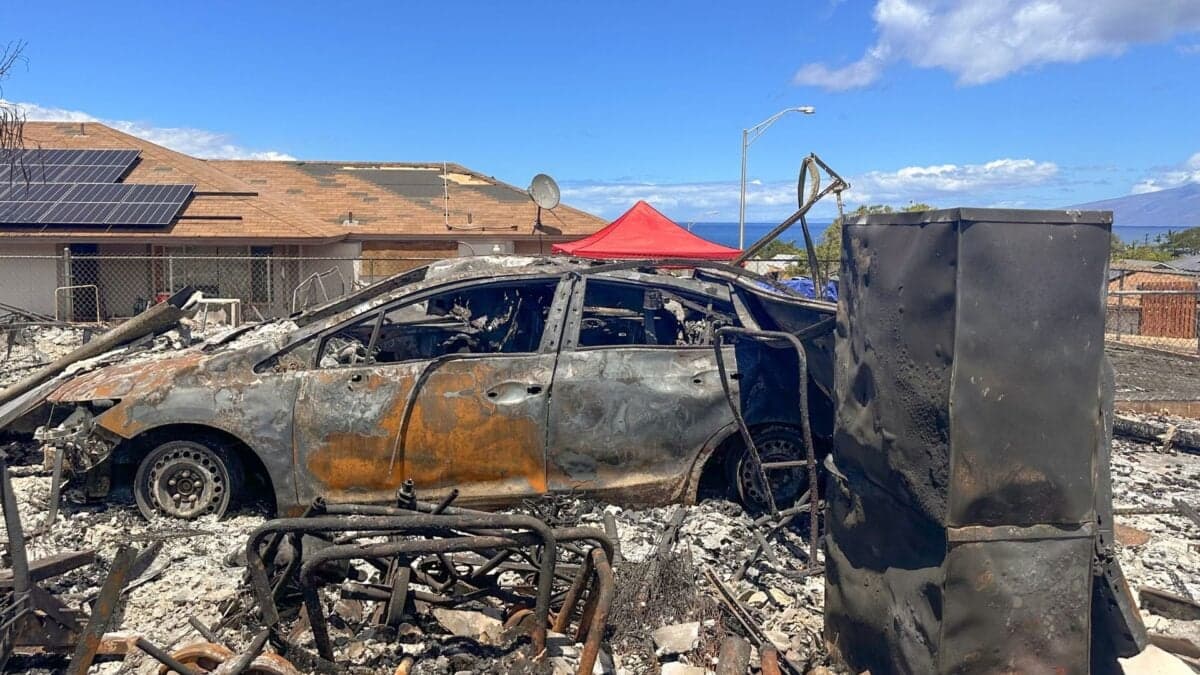
Months after the deadly 2023 Maui wildfires, residents continued to face a hidden threat: elevated levels of toxic metals in their bodies, linked to lasting lung damage. A new study reveals how urban wildfires—fueled by climate change—can pose long-term health risks even after the flames are extinguished.
30 SEC SUMMARY
- A study in Proceedings of the National Academy of Sciences found elevated toxic metal levels in Maui residents 6–18 months after the 2023 wildfires.
- Metals like antimony, manganese, barium, and arsenic were detected at levels up to 40 times higher than U.S. reference values.
- Exposure to these metals was linked to abnormal lung function in study participants.
- Wildland-urban interface fires, worsened by climate change, release hazardous emissions from burning structures and vehicles.
- The findings highlight long-term public health risks from environmental contamination after wildfires.
TABLE OF CONTENTS
- Study Links Maui Wildfire Exposure to Toxic Metals
- Elevated Metal Levels Linked to Lung Damage
- Urban Wildfires Pose Unique Risks
- What this means
- Key takeaways
- FAQ
- Sources
KEY HIGHLIGHTS
- A study found elevated levels of antimony, manganese, barium, and arsenic in urine samples from 1,400 Maui adults 6–18 months after the 2023 wildfires.
- Antimony levels were 40 times higher than U.S. reference values, with other metals also significantly elevated.
- Elevated metal exposure was associated with abnormal lung function in study participants.
- Wildland-urban interface fires release hazardous emissions due to burning structures and vehicles, a growing threat amid climate change.
- The findings suggest ongoing or intermittent exposure to metals during recovery, likely from ash and contaminated soil.
Study Links Maui Wildfire Exposure to Toxic Metals
A study published in Proceedings of the National Academy of Sciences found that toxic metal exposure remained a public health threat months after the 2023 Maui wildfires, according to reporting by Gizmodo. Researchers analyzed urine samples from 1,400 adults living in Maui 6 to 18 months after the fires and detected elevated levels of metals such as antimony, manganese, barium, and arsenic.
The study attributed these metals to environmental contamination from the wildfires, which destroyed over 2,200 structures and caused an estimated $5.5 billion in damages. Lahaina, the hardest-hit community, accounted for more than 100 deaths.
Elevated Metal Levels Linked to Lung Damage
The research revealed that antimony levels in participants were up to 40 times higher than U.S. reference values, while manganese, barium, and arsenic were also significantly elevated—3.8, 2.3, and 2.2 times higher, respectively. According to the study, higher metal concentrations correlated with abnormal lung function.
While the study did not confirm clinical metal poisoning among participants, the findings point to a worrisome association between sustained metal exposure and respiratory health risks. The researchers suggested that ongoing or intermittent exposure, likely from ash, contaminated soil, and dust, contributed to the elevated levels.
Urban Wildfires Pose Unique Risks
The study highlights a growing public health challenge tied to wildland-urban interface fires—disasters where wildfires burn through developed areas, destroying buildings, vehicles, and infrastructure. Unlike traditional wildfires, these events release higher concentrations of hazardous metals and toxins into the environment, according to the researchers.
Climate change and urban expansion are amplifying this threat, particularly in the western U.S. Recent wildfires, such as those in Los Angeles in January 2025, underscore the increasing frequency and severity of these events. The study’s authors note that traditional fire recovery efforts may not account for the long-term risks of metal exposure, leaving affected communities vulnerable for months or even years.
What this means
Lazyfounder analysis — our interpretation, not reported fact.
This study underscores a rarely discussed but critical consequence of urban wildfires: lingering toxic exposure long after the flames are extinguished. For founders and operators in public health, environmental tech, or climate resilience, the findings reveal a persistent gap in disaster recovery frameworks. Most post-fire protocols focus on immediate hazards like smoke inhalation or structural safety, but this data suggests that urban fires—especially those in the wildland-urban interface—create a lasting risk of heavy metal exposure.
The implications are twofold. First, there’s a clear need for long-term biomonitoring in affected communities, which could drive demand for affordable, scalable testing solutions. Second, mitigation strategies may need to evolve beyond soil remediation to include dust control, air filtration, and even temporary relocation protocols for vulnerable populations. For startups in this space, the challenge—and opportunity—lies in turning these scientific insights into actionable, cost-effective interventions.
Key takeaways
- The 2023 Maui wildfires exposed residents to elevated toxic metal levels months after the disaster.
- Metals like antimony, manganese, barium, and arsenic were detected at levels far exceeding U.S. safety baselines.
- Higher metal exposure correlated with poorer lung function, though clinical poisoning thresholds weren’t met.
- Urban wildfires, fueled by climate change, release more hazardous emissions due to burning infrastructure and vehicles.
- Long-term public health risks from wildfires may be underestimated, creating opportunities for innovation in monitoring and mitigation.
FAQ
What toxic metals were found in Maui residents after the wildfires?
The study detected elevated levels of antimony, manganese, barium, and arsenic in urine samples from Maui residents. Antimony levels were particularly high, reaching 40 times the U.S. reference values.
How were these metals linked to health risks?
Higher concentrations of these metals were associated with abnormal lung function in study participants. While clinical metal poisoning was not confirmed, the findings suggest a connection between sustained exposure and respiratory health issues.
Why are urban wildfires more dangerous than traditional wildfires?
Urban wildfires, or wildland-urban interface fires, burn through developed areas, including structures and vehicles. This process releases higher concentrations of hazardous metals and toxins into the environment, creating long-term health risks.
What can communities do to address toxic metal exposure after wildfires?
Current recovery efforts often focus on immediate hazards, but the study’s findings suggest the need for long-term strategies. These may include biomonitoring, soil remediation, dust control, and air filtration to reduce ongoing exposure risks.
Related on Lazyfounder
Sources
- Gizmodo · 2026-09-28
Scientists Find Threat of Toxic Metal Exposure Lingers Long After a Wildfire Goes Out
This story is an original summary drafted with AI by Lazyfounder from the reporting listed above and checked by automated validation. Facts are attributed to their original publishers; sections marked as analysis are Lazyfounder's. Where a source is in another language, facts were machine-translated and quotations are reported, not reproduced. Read the original coverage via the links, and see our AI policy and corrections policy.

About the author
Editor, Lazyfounder
Tarun Mottlia edits LazyFounders, covering Indian startups, funding rounds, AI and product launches. Every story on the site is AI-assisted and checked against its cited sources before publication.
More stories by Tarun MottliaGet the LazyFounder Brief
Startup, funding and AI news in a five-minute read. Join the early-access list.
