
LOHUM Cleantech appoints Nobel laureate Konstantin Novoselov to lead materials research
LOHUM Cleantech Pvt. Ltd has appointed 2010 Nobel laureate in physics Konstantin Novoselov to lead its advanced materials research initiative and launched a technology incubator in New Delhi. The incubator will focus on developing commercially viable technologies for critical minerals, nanomaterials, and battery components, aiming to produce five breakthroughs annually.

Editor, Lazyfounder
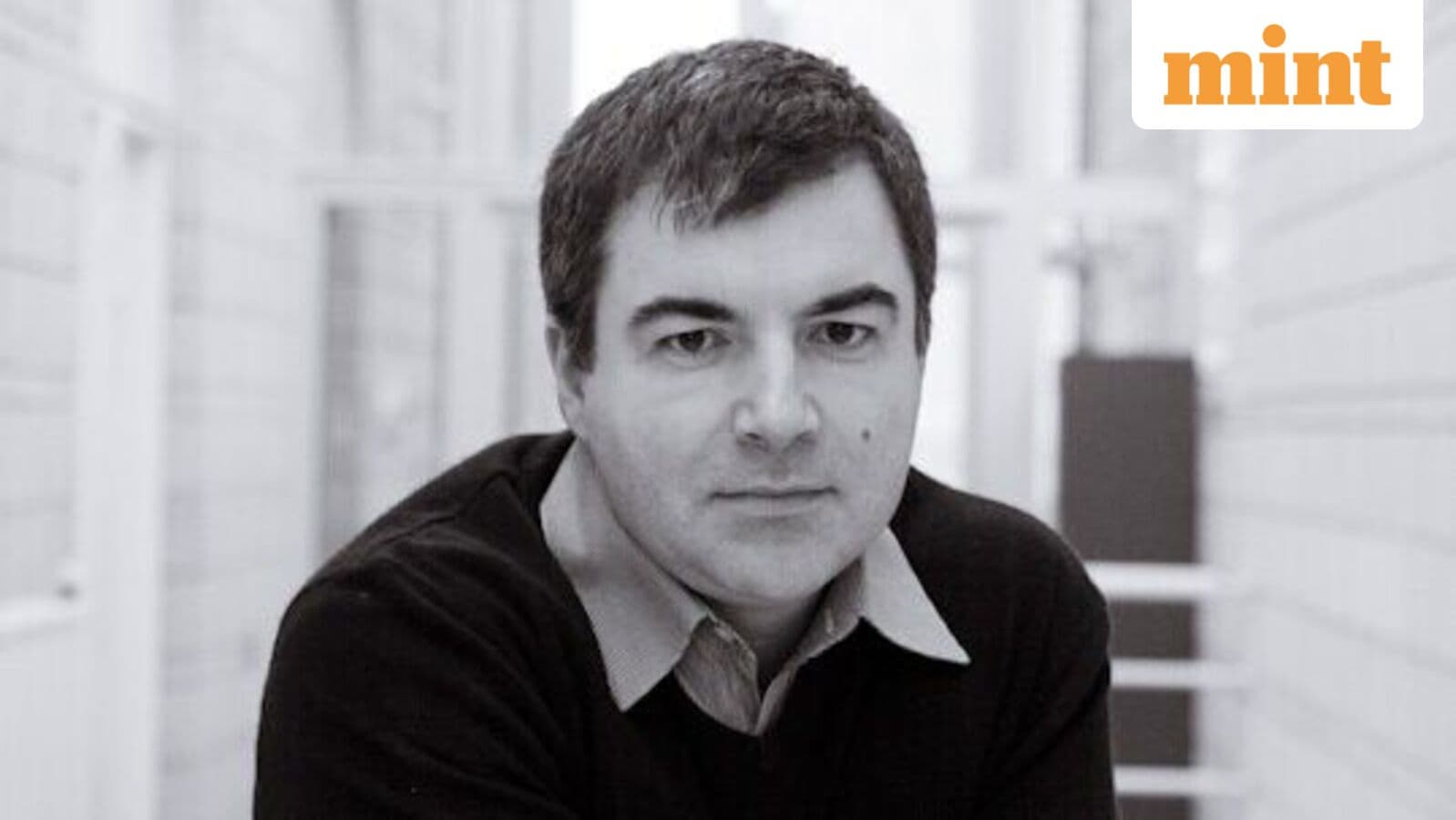
TABLE OF CONTENTS
KEY HIGHLIGHTS
- LOHUM Cleantech appoints 2010 Nobel laureate Konstantin Novoselov to lead its advanced materials research initiative.
- The company launches a technology incubator targeting critical minerals, nanomaterials, and advanced magnetic materials, aiming to produce five commercially viable technologies annually.
- LOHUM expands its focus from recycling to manufacturing sintered rare-earth magnets and battery components like cathode active material (CAM).
- India’s R&D spending reaches 0.84% of GDP in FY24, up from 0.64% in FY21, though still below China (2.80%) and the US (3.44%).
Nobel laureate to drive R&D at LOHUM
LOHUM Cleantech Pvt. Ltd has appointed Konstantin Novoselov, the 2010 Nobel laureate in physics, to lead its research initiative in advanced materials and cleaner technology. Novoselov, known for his work on graphene at the University of Manchester, will helm the company’s new technology incubator in New Delhi.
Incubator aims for commercial breakthroughs
The incubator will focus on lowering the entry barrier for industrial manufacturing projects by tapping into the expertise of veteran engineers in India. Its goal is to bridge the gap between laboratory research and scalable manufacturing, with a target of producing five commercially viable technologies each year. The centre will employ 50-80 people and prioritize sectors such as strategic and critical minerals, nanomaterials, 2D structures, and advanced magnetic materials.
Shift to manufacturing rare-earth magnets and battery components
LOHUM is expanding its business model beyond material recycling to include the manufacturing of sintered rare-earth magnets and battery components like cathode active material (CAM). This shift aligns with the incubator’s focus on critical minerals, which are essential for industries like renewable energy, defence, electronics, and automobiles. The move follows global disruptions caused by China’s 2025 export controls on rare-earth magnets, highlighting the need for domestic alternatives.
R&D funding increases but lags global peers
Novoselov emphasized that funding for blue-sky research—scientific advancements without immediate commercial goals—is essential for long-term technological progress. He noted that the US relied on venture capital for research-driven advancements, while China used government funding. India’s R&D spending has risen to 0.84% of GDP in FY24, up from 0.64% in FY21, but remains below China’s 2.80% and the US’ 3.44%.
Geopolitical risks drive focus on critical minerals
The incubator’s focus on critical minerals and advanced materials is partly driven by geopolitical uncertainties and the weaponization of crucial technologies. Rajat Verma, LOHUM’s founder and chief executive, highlighted the importance of domestic capabilities in reducing dependence on volatile global supply chains.
What this means
Lazyfounder analysis — our interpretation, not reported fact.
LOHUM’s move signals a growing recognition in India’s deep-tech sector that commercializing advanced materials requires more than just recycling—it demands sustained investment in R&D and manufacturing. For founders in battery tech, electronics, or renewable energy, this incubator could become a partner or competitor, depending on how quickly it scales its outputs. The appointment of a Nobel laureate also raises the bar for talent acquisition in India’s materials science space, which may prompt other startups to seek high-profile researchers to strengthen their own R&D teams.
The emphasis on critical minerals and rare-earth magnets is particularly relevant for operators in industries vulnerable to supply chain disruptions. If LOHUM succeeds in developing domestic alternatives, it could reduce reliance on imports and mitigate risks from export controls like those imposed by China. However, the gap in R&D spending compared to the US and China remains a hurdle, underscoring the need for sustained funding—whether through government support, venture capital, or corporate investment—to translate research into commercial products.
Related on Lazyfounder
Sources
- Mint (Technology) · 2026-10-28
LOHUM ropes in 2010 Nobel laureate to lead materials science research
This story is an original summary drafted with AI by Lazyfounder from the reporting listed above and checked by automated validation. Facts are attributed to their original publishers; sections marked as analysis are Lazyfounder's. Where a source is in another language, facts were machine-translated and quotations are reported, not reproduced. Read the original coverage via the links, and see our AI policy and corrections policy.

About the author
Editor, Lazyfounder
Tarun Mottlia edits LazyFounders, covering Indian startups, funding rounds, AI and product launches. Every story on the site is AI-assisted and checked against its cited sources before publication.
More stories by Tarun MottliaGet the LazyFounder Brief
Startup, funding and AI news in a five-minute read. Join the early-access list.
