
Kenya’s mobile money agents decline as digital payments rise
Kenya’s mobile money agent network is shrinking, even as subscriptions grow. The shift toward direct digital transactions, driven by rising smartphone adoption, is reducing reliance on physical agents and reshaping the country’s fintech landscape. Agents, meanwhile, face declining revenues and higher costs, threatening their viability.

Editor, Lazyfounder
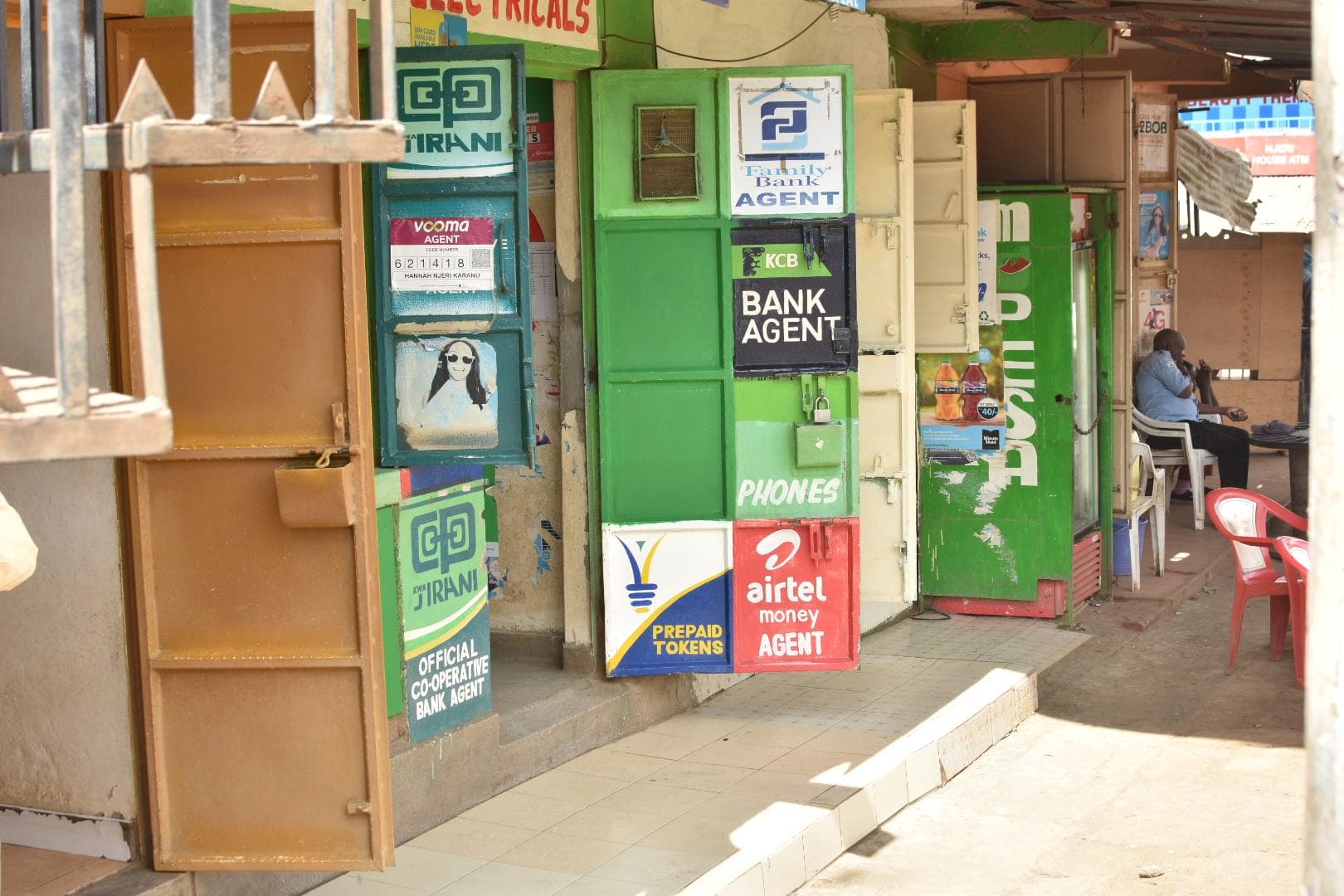
Kenya’s mobile money agent network is shrinking, even as subscriptions grow. The shift toward direct digital transactions, driven by rising smartphone adoption, is reducing reliance on physical agents and reshaping the country’s fintech landscape. Agents, meanwhile, face declining revenues and higher costs, threatening their viability.
30 SEC SUMMARY
- Kenya’s mobile money agent network shrank by 5.6% (34,000 agents) between March and June 2026.
- Mobile money subscriptions grew by 1.2% in the same period, reaching 54.01 million.
- Safaricom dominates with 88.8% of subscriptions, while Airtel Money holds 11.1%.
- Smartphone connections in Kenya rose to 52.26 million, reducing reliance on cash transactions.
- Agents face declining revenues due to higher operational costs and regulatory pressures.
TABLE OF CONTENTS
- Agent network shrinks despite subscription growth
- Market dominance and smartphone adoption
- Agents face mounting pressures
- What this means
- Key takeaways
- FAQ
- Sources
KEY HIGHLIGHTS
- Kenya lost 34,000 mobile money agents between March and June 2026, a 5.6% decline.
- Mobile money subscriptions grew by 1.2% in the same period, reaching 54.01 million.
- Safaricom holds 88.8% of the market, while Airtel Money has 11.1%.
- Smartphone connections rose to 52.26 million, reducing reliance on cash transactions.
- Agents face declining revenues due to higher operational costs and regulatory pressures.
Agent network shrinks despite subscription growth
Kenya’s mobile money agent network contracted by 5.6% between March and June 2026, losing roughly 34,000 registered agents, according to TechCabal. This decline occurred even as mobile money subscriptions increased by 1.2% over the same period, reaching 54.01 million. The trend suggests a growing preference for direct digital transactions, reducing reliance on physical agents for cash-in and cash-out services.
Market dominance and smartphone adoption
Safaricom’s M-PESA continues to dominate Kenya’s mobile money landscape, holding 88.8% of subscriptions as of June 2026. Airtel Money, its closest competitor, accounts for 11.1%. The lack of competition raises concerns about market concentration, particularly as smaller players struggle to gain traction.
Smartphone adoption is accelerating the shift away from cash-based transactions. Kenya recorded 52.26 million smartphone connections by June 2026, up from 50.18 million in March. This increase aligns with the decline in agent networks, as consumers increasingly use digital wallets and payment apps for transactions without intermediaries.
Agents face mounting pressures
Mobile money agents, traditionally reliant on commissions from deposits and withdrawals, are facing declining revenues. Reduced cash transactions, coupled with rising operational costs, are squeezing their profitability. Reports indicate that business permit costs have increased by 30%, while rent and other expenses have also risen.
Regulatory pressures are adding to the challenges. The Kenya Revenue Authority’s tax compliance efforts, while aimed at improving transparency, have raised privacy concerns among agents. Many agents report feeling increasingly scrutinized, further discouraging their participation in the ecosystem.
What this means
Lazyfounder analysis — our interpretation, not reported fact.
Kenya’s mobile money ecosystem is undergoing a structural shift. The decline in agent numbers, despite growing subscriptions, signals a move toward direct digital transactions—likely driven by wider smartphone adoption and changing consumer habits. For agents, this is a warning sign: their role is becoming less central, and those who remain must adapt to survive.
For fintech operators like Safaricom and Airtel, this shift presents opportunities and risks. While they benefit from reduced reliance on physical agent networks, they may face pressure to support agents who are critical for cash-in/cash-out services, especially in rural areas. Regulatory scrutiny, such as tax compliance efforts, could further strain the ecosystem if not balanced with incentives for innovation and inclusion.
Ultimately, this trend reflects a broader global pattern: as digital payments mature, intermediary roles evolve or disappear. Kenya’s experience offers a case study for other markets where agent networks still dominate.
Key takeaways
- Kenya’s mobile money agent network is shrinking, despite growth in subscriptions, due to the rise of direct digital transactions.
- Safaricom dominates the market with 88.8% of subscriptions, limiting competition and market diversity.
- Agents are facing declining revenues, higher costs, and increased regulatory scrutiny, threatening their viability.
- Smartphone adoption is accelerating the shift away from cash-based transactions, reducing the need for physical agents.
- The decline of agent networks could have long-term implications for financial inclusion, particularly in rural areas.
FAQ
Why is Kenya’s mobile money agent network shrinking?
The decline is driven by a shift toward direct digital transactions, as more consumers use smartphones and digital wallets. This reduces the need for physical agents to handle cash deposits and withdrawals.
How are agents affected by this trend?
Agents are seeing declining revenues due to reduced cash transactions, while operational costs—such as business permits and rent—are rising. Regulatory scrutiny is also increasing, adding to their challenges.
What role does smartphone adoption play in this shift?
Smartphone connections in Kenya rose to 52.26 million by June 2026, enabling more consumers to conduct transactions digitally. This reduces reliance on agents for basic financial services.
Related on Lazyfounder
Sources
- TechCabal · 2026-09-29
Kenya’s digital payment boom is leaving mobile money agents stranded
This story is an original summary drafted with AI by Lazyfounder from the reporting listed above and checked by automated validation. Facts are attributed to their original publishers; sections marked as analysis are Lazyfounder's. Where a source is in another language, facts were machine-translated and quotations are reported, not reproduced. Read the original coverage via the links, and see our AI policy and corrections policy.

About the author
Editor, Lazyfounder
Tarun Mottlia edits LazyFounders, covering Indian startups, funding rounds, AI and product launches. Every story on the site is AI-assisted and checked against its cited sources before publication.
More stories by Tarun MottliaGet the LazyFounder Brief
Startup, funding and AI news in a five-minute read. Join the early-access list.
