

India’s silver economy shifts focus to community and workplace infrastructure
India’s ageing population is driving demand for urban and workplace infrastructure that supports participation, mobility, and intergenerational connection, according to a report by YourStory. The shift moves the conversation beyond healthcare to include how cities and workspaces can adapt to older adults who want to stay active and engaged.

Editor, Lazyfounder
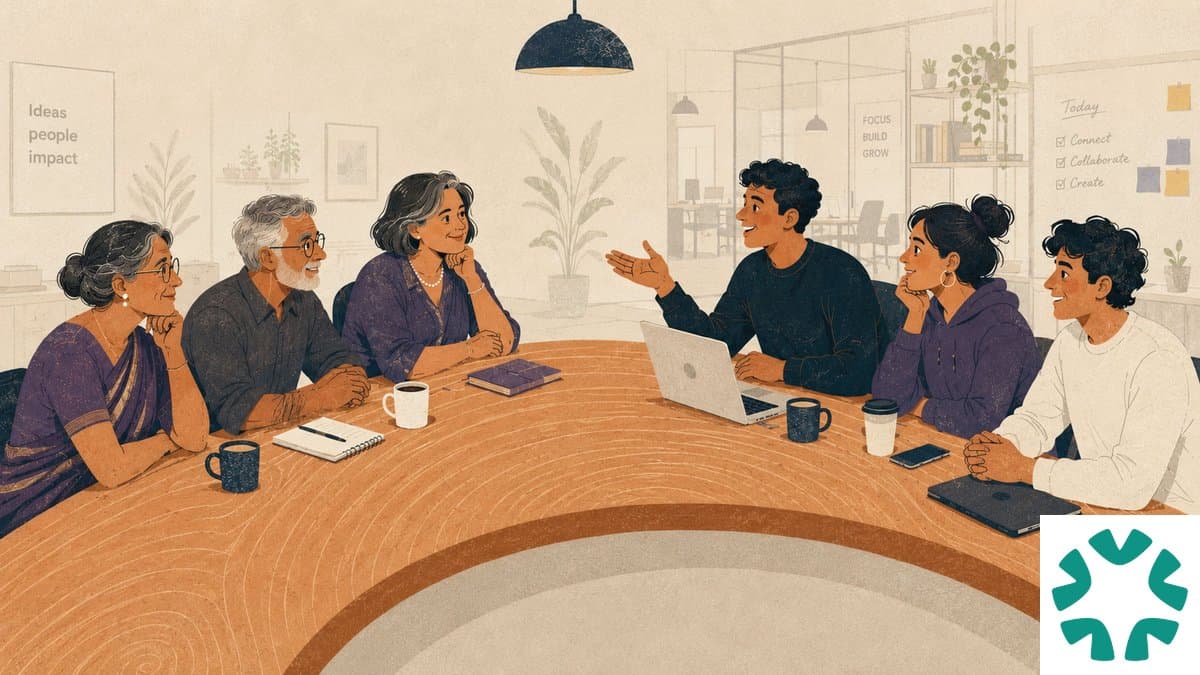
TABLE OF CONTENTS
Why healthcare alone is not enough
According to YourStory, India’s approach to its ageing population is expanding beyond healthcare and senior living. The discussion now includes how cities can support participation, independence, and intergenerational connection for people who are living longer and staying active.
A 2026 systematic review cited by the report projects that India’s population aged 60 and above will reach 230 million by 2036. This demographic shift creates demand for environments that enable older adults to work, learn, socialise, mentor, and contribute, rather than just access medical care.
Age-friendly cities require more than accessibility
A 2026 assessment of age-friendly communities in Bengaluru, reported by YourStory, found that only four of 27 locations met the criteria for age-friendly living. The study highlighted that infrastructure for older adults must include accessibility, mobility, social participation, public spaces, and community engagement, not just healthcare.
The findings underscore that how people experience a city depends on multiple factors, many of which are currently lacking in urban planning.
Workplaces as platforms for continued participation
YourStory reports that retirement is increasingly becoming a transition rather than a full exit from professional life. Many professionals in their 60s and beyond are choosing to consult, mentor, advise businesses, launch second ventures, or work on independent projects.
These activities rely on access to professional networks and flexible work environments. Coworking spaces, which have evolved into broader workplace ecosystems, are positioned to meet this need by offering meeting rooms, technology, business infrastructure, and networking opportunities.
The report suggests that these spaces can facilitate intergenerational exchange, making workplaces more inclusive across life stages. This could turn workspaces into platforms for continued participation, tapping into a pool of experience, professional knowledge, and entrepreneurial capability.
Opportunities for workspace operators and urban planners
YourStory highlights an opportunity for flexible workspace networks to create accessible professional environments that support interaction across generations and career stages. Distributed workspace models can extend these communities across cities, accommodating professionals who live and work in multiple locations.
For urban planners, developers, businesses, and workspace operators, this requires a holistic approach to age-friendly infrastructure. While healthcare, housing, and mobility remain essential, the focus must also include everyday spaces where people can meet, work, learn, and participate.
The report argues that the future of the silver economy is not just about extending lifespan but about extending participation. Community infrastructure can ensure that longer lives remain connected to opportunity, purpose, and social networks.
What this means
Lazyfounder analysis — our interpretation, not reported fact.
India’s ageing population is not just a healthcare challenge—it’s a market signal for startups and operators in urban infrastructure, workplace design, and community platforms. Founders building coworking spaces, flexible work solutions, or age-inclusive urban services may find new demand from professionals who want to stay active beyond traditional retirement. For investors, this shift could open opportunities in sectors like real estate tech, intergenerational networking platforms, or services that bridge the gap between experienced professionals and early-stage ventures. The key takeaway is that the silver economy’s growth will depend on how well cities and workplaces adapt to enable participation, not just longevity.
Sources
This story is an original summary drafted with AI by Lazyfounder from the reporting listed above and checked by automated validation. Facts are attributed to their original publishers; sections marked as analysis are Lazyfounder's. Where a source is in another language, facts were machine-translated and quotations are reported, not reproduced. Read the original coverage via the links, and see our AI policy and corrections policy.

About the author
Editor, Lazyfounder
Tarun Mottlia edits LazyFounders, covering Indian startups, funding rounds, AI and product launches. Every story on the site is AI-assisted and checked against its cited sources before publication.
More stories by Tarun MottliaGet the LazyFounder Brief
Startup, funding and AI news in a five-minute read. Join the early-access list.
