
iFi and Questyle launch USB-C Bluetooth dongles to boost audio quality
iFi and Questyle have launched new USB-C Bluetooth dongles aimed at improving audio quality for smartphones and gaming devices. The products, priced between $59 and $99, promise better sound detail, lower latency, and support for advanced codecs like LDAC and aptX.

Editor, Lazyfounder
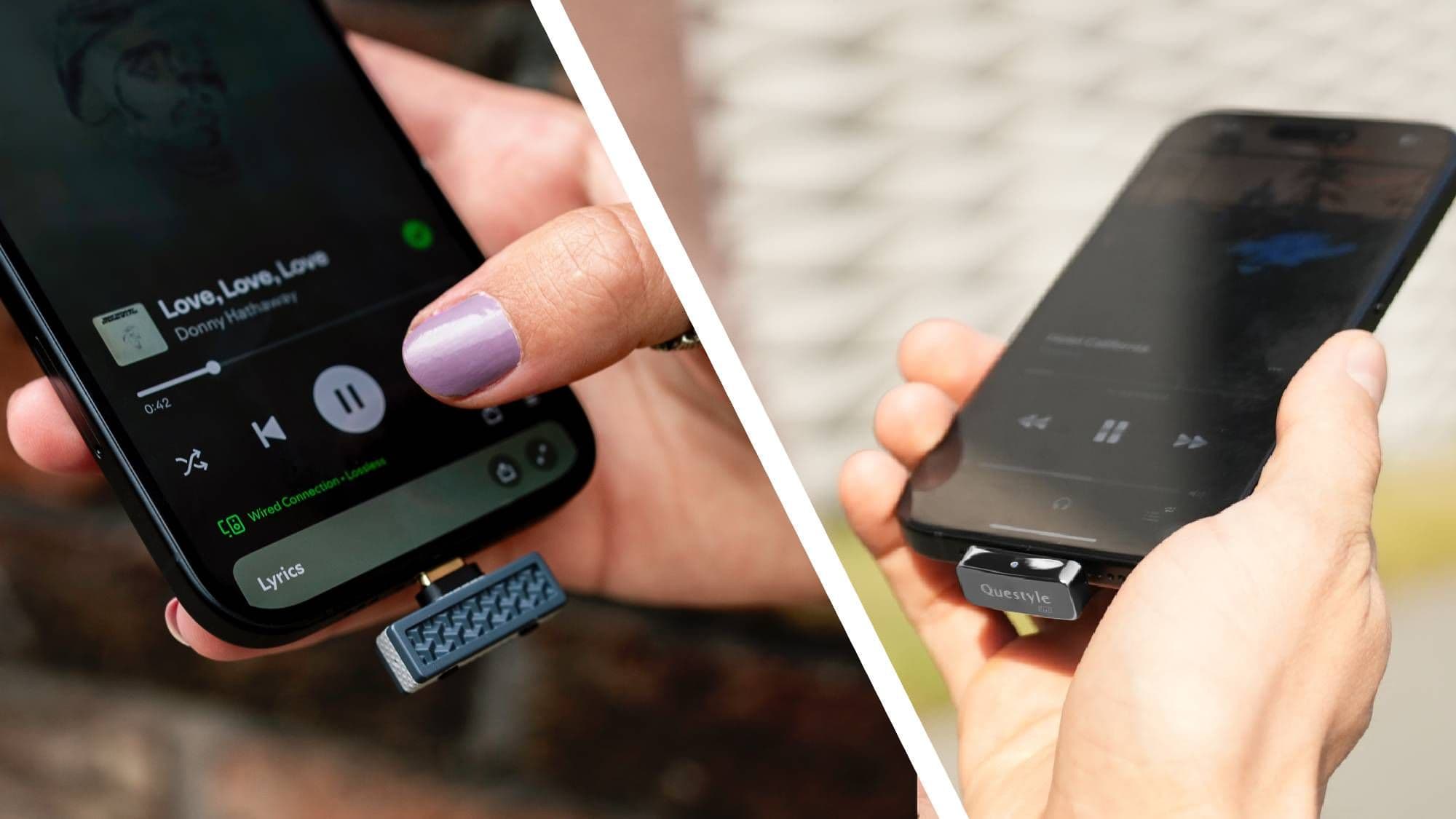
iFi and Questyle have launched new USB-C Bluetooth dongles aimed at improving audio quality for smartphones and gaming devices. The products, priced between $59 and $99, promise better sound detail, lower latency, and support for advanced codecs like LDAC and aptX.
30 SEC SUMMARY
- iFi and Questyle launched new USB-C Bluetooth dongles to enhance audio quality for smartphones and gaming devices.
- iFi’s UP Play ($59/£59) and UP Play Max ($89/£89) target iPhone users but work with Android and support Auracast.
- Questyle’s Dongle Pro 2 ($99/£129) supports advanced codecs like LDAC, aptX, LHDC, and Snapdragon Sound.
- These dongles aim to improve sound detail, reduce latency, and expand Bluetooth capabilities for hi-res music and calls.
- Pricing makes high-end audio upgrades accessible without replacing devices.
TABLE OF CONTENTS
- New USB-C dongles from iFi and Questyle
- Features and use cases
- What this means
- Key takeaways
- FAQ
- Sources
KEY HIGHLIGHTS
- iFi unveiled two USB-C dongles: UP Play ($59/£59) and UP Play Max ($89/£89), targeting iPhone users but compatible with Android.
- Questyle launched the Dongle Pro 2 ($99/£129), supporting Bluetooth 6.1 and advanced codecs like LDAC, aptX, and Snapdragon Sound.
- Both products aim to improve audio detail, reduce latency, and expand Bluetooth capabilities for music, calls, and gaming.
- The dongles support Auracast, enabling multi-device connectivity and higher-res music streaming.
New USB-C dongles from iFi and Questyle
iFi and Questyle have introduced new USB-C Bluetooth dongles designed to enhance audio quality for smartphones, tablets, and gaming consoles. According to TechRadar, the products target users seeking better sound without upgrading their devices.
iFi’s offerings include the UP Play, priced at $59 (£59), and the UP Play Max, which costs $89 (£89). Both dongles are marketed primarily for iPhone users but also work with Android devices. They support advanced features like Auracast, which allows streaming to multiple devices, and codecs such as aptX and LDAC.
Questyle’s Dongle Pro 2, priced at $99 (£129), is positioned as a high-performance option. It uses Bluetooth 6.1 and supports a range of codecs, including LDAC, aptX, LHDC, LC3, and Snapdragon Sound. The device is designed to enable higher-resolution music streaming and reduce latency for gaming and calls.
Features and use cases
The new dongles aim to address limitations in existing Bluetooth capabilities, particularly for iPhone users. iFi claims that its UP Play dongle triples the audio detail sent from Apple devices, while the UP Play Max quadruples it. Both devices also include noise suppression for calls, making them useful for phone conversations and gaming.
Questyle’s Dongle Pro 2 includes an app that lets users switch between audio codecs and manage connected devices. TechRadar reports that the dongle can improve bandwidth and reduce latency, expanding the Bluetooth capabilities of source devices.
Auracast support in both brands’ dongles allows users to connect multiple devices simultaneously, a feature that could appeal to users of wireless earbuds and headphones in shared environments.
What this means
Lazyfounder analysis — our interpretation, not reported fact.
For founders and operators in consumer electronics or audio technology, this launch signals a growing market for affordable, high-performance accessories. These dongles address a specific pain point—improving audio quality without upgrading hardware—by leveraging USB-C and advanced Bluetooth codecs. The focus on compatibility (iOS, Android, Auracast) and use cases like gaming and calls suggests a strategic push to capture both casual users and audiophiles. If successful, this could encourage more startups to explore niche hardware solutions that enhance existing devices rather than replace them.
Key takeaways
- iFi and Questyle released new USB-C Bluetooth dongles to improve audio quality for smartphones and gaming consoles.
- iFi’s UP Play and UP Play Max are priced at $59/£59 and $89/£89, respectively, targeting iPhone users but compatible with Android.
- Questyle’s Dongle Pro 2 ($99/£129) supports Bluetooth 6.1, LDAC, aptX, LHDC, LC3, and Snapdragon Sound.
- Both brands emphasize reduced latency, better call quality, and hi-res music streaming as key features.
- The products reflect a trend toward affordable, accessory-driven upgrades in consumer electronics.
FAQ
What are the key differences between iFi’s UP Play and UP Play Max?
The UP Play triples the audio detail for Apple devices, while the UP Play Max quadruples it. The UP Play Max is also priced higher at $89 (£89), compared to the UP Play’s $59 (£59). Both support Auracast and advanced codecs, but the UP Play Max offers a more significant improvement in audio performance.
What codecs does Questyle’s Dongle Pro 2 support?
The Dongle Pro 2 supports LDAC, aptX, LHDC, LC3, and Snapdragon Sound, along with Bluetooth 6.1 for improved connectivity and reduced latency.
Are these dongles compatible with Android devices?
Yes, while iFi’s dongles are pitched primarily for iPhone users, they are also compatible with Android devices. Questyle’s Dongle Pro 2 works with both iOS and Android.
How do these dongles improve call quality?
Both iFi and Questyle’s dongles include noise suppression features. iFi’s UP Play and UP Play Max are designed to enhance call clarity, making them useful for phone conversations and gaming.
Related on Lazyfounder
Sources
- TechRadar · 2026-09-30
Don't upgrade your handset, upgrade what it can do: these new cheap hi-fi Bluetooth dongles unlock hi-res music from your phone, and ping it to your wireless earbuds
This story is an original summary drafted with AI by Lazyfounder from the reporting listed above and checked by automated validation. Facts are attributed to their original publishers; sections marked as analysis are Lazyfounder's. Where a source is in another language, facts were machine-translated and quotations are reported, not reproduced. Read the original coverage via the links, and see our AI policy and corrections policy.

About the author
Editor, Lazyfounder
Tarun Mottlia edits LazyFounders, covering Indian startups, funding rounds, AI and product launches. Every story on the site is AI-assisted and checked against its cited sources before publication.
More stories by Tarun MottliaGet the LazyFounder Brief
Startup, funding and AI news in a five-minute read. Join the early-access list.
