
Hims launches testosterone replacement therapy service for cisgender men
Hims has introduced a testosterone replacement therapy (TRT) service for cisgender men, offering injectable and oral treatments following at-home blood tests. The service aims to address underdiagnosis and stigma while navigating regulatory requirements for controlled substances.

Editor, Lazyfounder
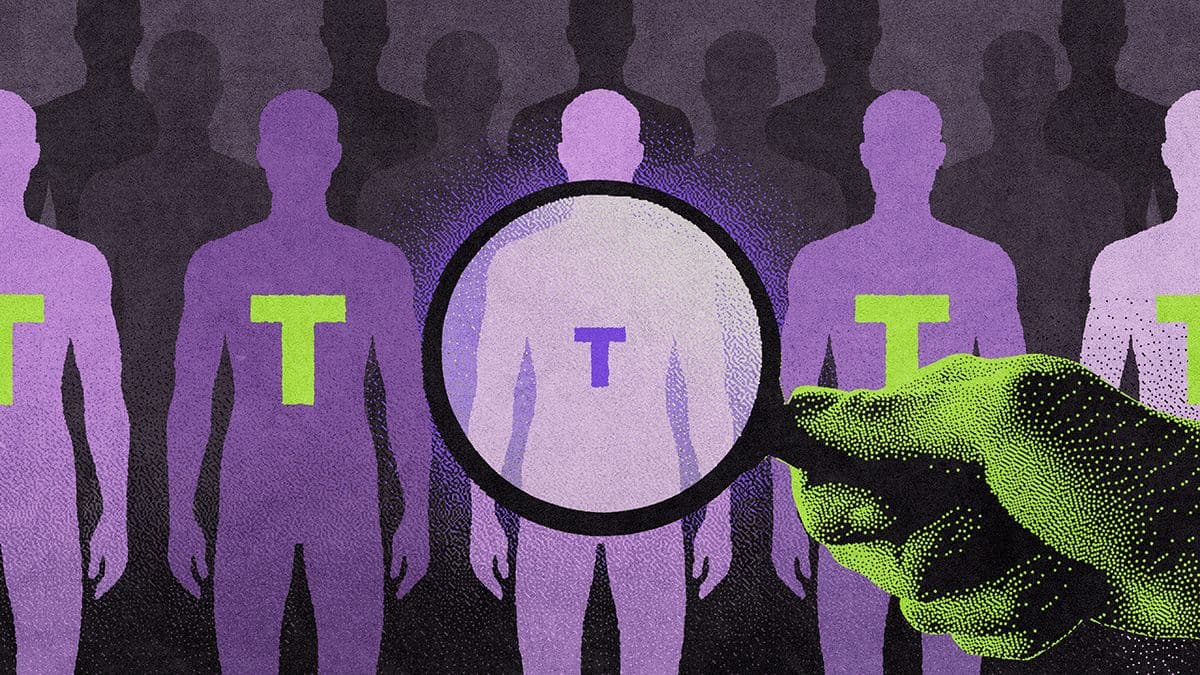
TABLE OF CONTENTS
How the service works
Hims’ new testosterone replacement therapy (TRT) service targets cisgender men with symptoms of testosterone deficiency. The process begins with an at-home blood test using a Tasso collection device, which uses microneedles to draw a small sample without requiring a lab visit or venous draw. The sample is analyzed for 21 biomarkers, including testosterone levels.
If the results indicate a deficiency, Hims providers can prescribe hormone replacement therapy, provided it is deemed "medically appropriate." The service offers two types of injectable treatments and an oral pill option. Injectable treatments reportedly show results within days, while the oral capsule may take up to 90 days.
Regulatory and medical guardrails
Testosterone is classified as a controlled substance under the 1990 Anabolic Steroids Control Act, which mandates synchronous care—such as a video consultation—before prescriptions can be issued. Hims’ approach requires at-home testing and restricts treatment to individuals with documented symptoms of hypogonadism, such as sexual dysfunction or muscle loss.
This contrasts with findings from a 2022 study, which revealed that six of seven digital clinics prescribed TRT despite patients having normal testosterone levels. Hims has emphasized its commitment to monitoring and symptom-based prescribing to avoid overprescription.
Market context and cultural dynamics
Hims, a publicly traded telehealth company since 2017, has expanded from erectile dysfunction treatments to broader men’s health services. The launch of its TRT service reflects growing competition in the digital health space, particularly for conditions often stigmatized, like testosterone deficiency.
The company commissioned a survey highlighting that American men increasingly prioritize "more energy" over "more muscle," though stigma around testosterone treatment persists. This aligns with broader cultural discussions, including political rhetoric—for example, Texas Republicans previously used "low T" as an insult in a Senate midterm race.
The service also enters a market influenced by high-profile announcements, such as the Pentagon’s plan to mandate testosterone testing for military personnel over 30. Medical professionals have criticized this policy, arguing that testing at such an early age is unnecessary and could lead to overprescription.
Broader implications for men’s health
Peter Stahl, Hims’ Senior Vice President of Men’s Health, framed hormone testing as a gateway to encourage men to address other health concerns. This reflects a broader trend in telehealth: using direct-to-consumer testing to engage populations that might otherwise avoid clinical settings.
Research cited by Hims suggests men with low testosterone face a 35% increased risk of overall mortality, underscoring the potential public health impact of expanded access to testing and treatment.
What this means
Lazyfounder analysis — our interpretation, not reported fact.
Hims’ TRT launch signals two trends founders and operators should watch:
-
Telehealth’s push into stigmatized care: Hims is betting that at-home testing and prescriptions can normalize conversations about conditions like testosterone deficiency. This mirrors its earlier success with erectile dysfunction treatments—another area where stigma historically limited access. Founders in men’s health or other sensitive categories (mental health, sexual wellness, or metabolic disorders) may see an opportunity to leverage direct-to-consumer models to reduce barriers.
-
Regulatory scrutiny as a market differentiator: By emphasizing symptom-based prescribing and monitoring, Hims is positioning itself as a responsible player in a space known for overprescription. This could become a competitive advantage as regulators and payers increasingly focus on inappropriate use of controlled substances. Startups in similar categories—whether weight-loss drugs, mental health treatments, or pain management—should note that compliance can be a selling point, not just a cost.
-
The limits of cultural hype: While testosterone has been politicized (e.g., MAGA rhetoric, military testing mandates), Hims’ survey data suggests men care more about functional outcomes (energy, quality of life) than ideological ones (muscle, masculinity). Founders should avoid conflating cultural narratives with consumer demand, especially in health categories where clinical evidence—and not just marketing—drives adoption.
Related on Lazyfounder
Sources
- WIRED · 2026-10-21
Telehealth Giant Hims Wants to Test Every Dude for Low Testosterone - Gizmodo · 2026-10-21
Hims Has a Test for Low-T Beta Soyboys
This story is an original summary drafted with AI by Lazyfounder from the reporting listed above and checked by automated validation. Facts are attributed to their original publishers; sections marked as analysis are Lazyfounder's. Where a source is in another language, facts were machine-translated and quotations are reported, not reproduced. Read the original coverage via the links, and see our AI policy and corrections policy.

About the author
Editor, Lazyfounder
Tarun Mottlia edits LazyFounders, covering Indian startups, funding rounds, AI and product launches. Every story on the site is AI-assisted and checked against its cited sources before publication.
More stories by Tarun MottliaGet the LazyFounder Brief
Startup, funding and AI news in a five-minute read. Join the early-access list.
