
Halloween treat prices rise 71% in five years as cocoa costs and inflation squeeze US shoppers
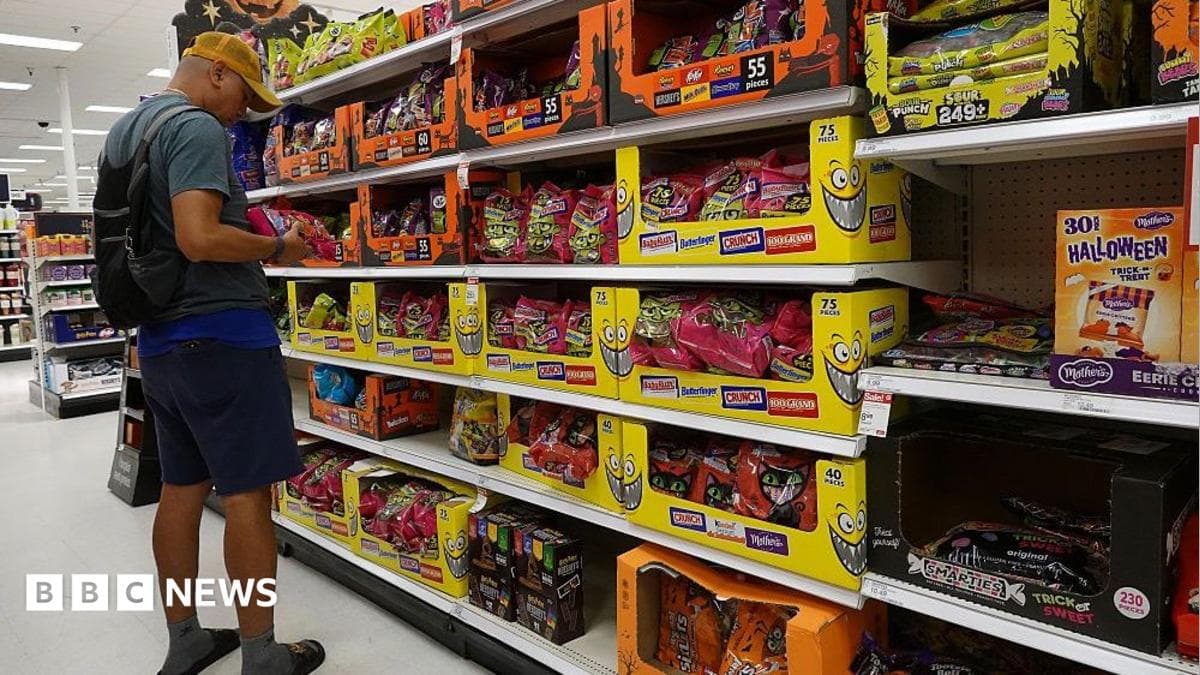
US consumers are paying sharply higher prices for Halloween chocolates and confectionery this year, with costs up 15.3% compared to 2025 and 71% over the past five years. Rising cocoa prices, driven by climate-related supply issues, and persistent inflation are forcing shoppers to cut back on seasonal spending.

Editor, Lazyfounder
30 SEC SUMMARY
- Halloween treat prices in the US rose 15.3% in 2026 compared to 2025, and 71% over the past five years.
- Cocoa prices hit a record $10,700 per tonne in January 2025 due to climate-related supply disruptions.
- Sales of Halloween treats fell 11.7% by mid-September 2026 and 6.7% by mid-October 2026.
- Consumers are opting for smaller packs as inflation and cost of living pressures persist.
KEY HIGHLIGHTS
- The cost of popular Halloween chocolates and confectionery increased by 15.3% in 2026 compared to 2025.
- Prices for Halloween treats have surged 71% over the past five years.
- Cocoa prices reached a record high of over $10,700 per tonne in January 2025.
- Halloween treat sales declined 11.7% by mid-September 2026 and 6.7% by mid-October 2026.
- Inflation is running at 3.7%, contributing to broader cost of living pressures.
- Consumers are purchasing smaller packs of Halloween treats due to affordability concerns.
Why prices are rising
The surge in Halloween treat prices is largely driven by a 71% increase over the past five years, with a 15.3% jump in 2026 alone. Cocoa prices, a key ingredient in chocolates, reached a record high of over $10,700 per tonne in January 2025. According to NielsenIQ, climate-related supply disruptions, including severe weather in cocoa-producing regions, have tightened global supplies and pushed costs higher.
Inflation, currently at 3.7%, has further compounded the issue. Chris Costagli, vice-president of US food thought leadership at NielsenIQ, noted that the price increases for Halloween treats far exceed the general pace of inflation over the same period.
How consumers are responding
Shoppers are adjusting their habits as cost pressures mount. Sales of Halloween treats were down 11.7% by mid-September 2026 and 6.7% by mid-October 2026, according to data from NielsenIQ. In Manhattan, consumers reported opting for smaller packs or fewer items to manage expenses.
Demetrio Beltres, a financial adviser, observed that many households are prioritizing essentials over discretionary spending. Mallory, a shopper interviewed in New York, said she reduced her Halloween budget this year due to rising costs of living, including higher diesel prices, which currently average $6.32 per gallon.
Broader retail trends
The decline in Halloween treat sales reflects broader consumer caution in the face of economic uncertainty. Stephen Zagor, an adjunct associate professor at Columbia Business School, suggested that while shoppers may become more willing to spend as Halloween approaches, the overall trend points to reduced discretionary budgets.
Retailers like Target are likely feeling the impact of this shift, as consumers delay or scale back purchases. The Groundwork Collaborative and the Century Foundation have both highlighted how persistent inflation and stagnant wage growth are reshaping spending patterns across the US.
What this means
Lazyfounder analysis — our interpretation, not reported fact.
For founders and operators in the consumer goods and retail sectors, this story underscores the fragility of discretionary spending in an inflationary environment. The 71% price increase over five years—far outpacing general inflation—signals that commodity-driven cost pressures can quickly erode demand for non-essential products. Companies relying on seasonal sales, such as Halloween or holiday treats, may need to reassess pricing strategies, pack sizes, or promotional tactics to maintain volume.
The trend also highlights the risks of supply chain dependencies, particularly for ingredients like cocoa, which are vulnerable to climate disruptions. Founders in the food and beverage space should consider diversifying suppliers or exploring alternative ingredients to mitigate future price shocks. For investors, the decline in sales could signal softer margins for retailers and consumer packaged goods companies, particularly if cost pressures persist.
Key takeaways
- Discretionary spending on seasonal products like Halloween treats is highly sensitive to inflation and commodity price fluctuations.
- Climate-related supply disruptions for key ingredients, such as cocoa, can have outsized impacts on product costs and consumer demand.
- Retailers may need to adjust pricing, pack sizes, or promotional strategies to sustain sales amid economic uncertainty.
- Persistent inflation and stagnant wage growth are reshaping consumer behavior, particularly for non-essential purchases.
Related on Lazyfounder
Sources
- BBC News (Tech & Business) · 2026-10-30
Soaring cost of Halloween treats spooks shoppers
This story is an original summary drafted with AI by Lazyfounder from the reporting listed above and checked by automated validation. Facts are attributed to their original publishers; sections marked as analysis are Lazyfounder's. Where a source is in another language, facts were machine-translated and quotations are reported, not reproduced. Read the original coverage via the links, and see our AI policy and corrections policy.

About the author
Editor, Lazyfounder
Tarun Mottlia edits LazyFounders, covering Indian startups, funding rounds, AI and product launches. Every story on the site is AI-assisted and checked against its cited sources before publication.
More stories by Tarun MottliaGet the LazyFounder Brief
Startup, funding and AI news in a five-minute read. Join the early-access list.
