
GoPro’s firmware update speeds up photo capture but leaves pros wanting
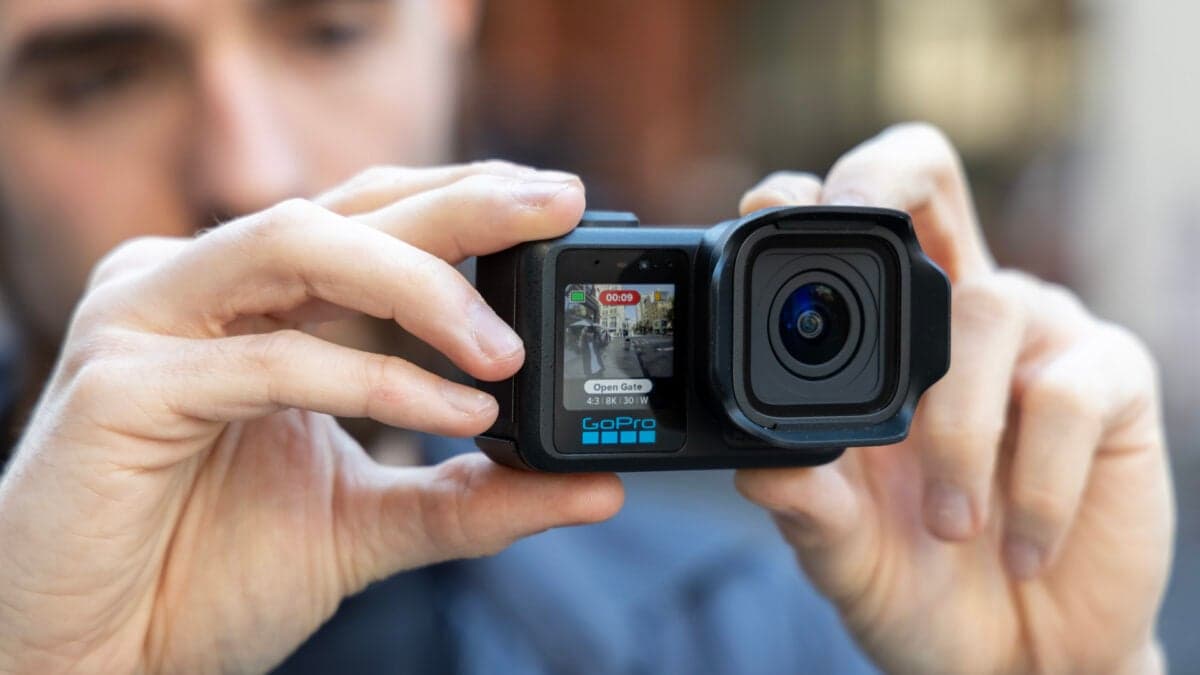
GoPro has released a firmware update for its Mission 1 Pro and Mission 1 Pro ILS cameras, targeting slow photo processing speeds. While the update enables rapid successive captures, the cameras still lack key features like physical controls for ISO, shutter speed, or aperture, limiting their appeal to professional photographers.

Editor, Lazyfounder
30 SEC SUMMARY
- GoPro has released a firmware update for its Mission 1 Pro and Mission 1 Pro ILS cameras to address slow photo processing speeds.
- The update enables rapid successive photo captures, allowing up to 50 photos at 12-megapixel or 20 shots at 50-megapixel in RAW format.
- Despite improvements, the cameras still lack physical controls for ISO, shutter speed, or aperture, limiting their appeal to professionals.
- The base Mission 1 Pro retains a fish-eye effect in RAW format due to its wide-angle lens.
- Starman Optical acquired GoPro for $285 million after its stock price was influenced by YouTuber Markiplier.
TABLE OF CONTENTS
KEY HIGHLIGHTS
- GoPro released a firmware update for the Mission 1 Pro and Mission 1 Pro ILS cameras to improve photo processing speeds.
- The update allows rapid successive photo captures, with up to 50 photos at 12-megapixel or 20 shots at 50-megapixel in RAW format.
- The base Mission 1 Pro is limited to a fish-eye effect in RAW format due to its wide-angle lens.
- The Mission 1 Pro ILS lacks electronic lens connections, requiring manual input for focal length.
- GoPro’s cameras still lack physical controls for ISO, shutter speed, or aperture, which may deter professional photographers.
What the firmware update changes
According to Gizmodo, GoPro has released a firmware update for its Mission 1 Pro and Mission 1 Pro ILS cameras to address a long-standing issue with slow photo processing speeds. Before the update, users reported waiting nearly four seconds to process a single 50-megapixel RAW image, which disrupted rapid shooting sequences.
The new firmware introduces a workaround: instead of processing each photo immediately, the camera now captures an instant photo and defers processing until the user stops shooting. This allows for rapid successive captures, with users able to take up to 50 photos at 12-megapixel or 20 shots at 50-megapixel in RAW format in a single burst.
Limitations for professional photographers
While the update improves speed, GoPro’s cameras continue to face criticism for missing features that professionals rely on. According to Gizmodo, neither the Mission 1 Pro nor the Mission 1 Pro ILS includes physical controls for ISO, shutter speed, or aperture, which are standard in high-end cameras from competitors like Ricoh.
The base Mission 1 Pro is further limited by its wide-angle lens, which produces a fish-eye effect in RAW format. The Mission 1 Pro ILS, while offering interchangeable lenses, lacks electronic lens connections, meaning users must manually input focal length settings for accurate metadata.
These constraints may limit the appeal of GoPro’s cameras for professional photographers, despite the performance improvements from the firmware update.
GoPro’s recent challenges and ownership changes
GoPro’s acquisition by Starman Optical for $285 million earlier this year followed a period of volatility for the company. Its stock price saw a temporary surge after YouTuber Markiplier publicly praised GoPro’s products, though the long-term impact of this influence remains unclear.
The Mission 1 Pro and Mission 1 Pro ILS were positioned as GoPro’s attempt to expand into new segments of the consumer electronics market, including interchangeable-lens cameras. However, the ILS model’s reliance on manual lenses has been a point of contention for users seeking seamless integration with professional workflows.
What this means
Lazyfounder analysis — our interpretation, not reported fact.
For founders and operators in the consumer electronics space, GoPro’s firmware update highlights a critical lesson: software improvements can extend a product’s lifespan, but they cannot fully compensate for hardware limitations. The Mission 1 Pro and ILS models were designed to appeal to enthusiasts and semi-professionals, but their lack of physical controls and reliance on manual settings may frustrate users who expect pro-level flexibility.
This update also underscores the importance of ecosystem compatibility. GoPro’s decision to omit electronic lens connections in the ILS model creates friction for users who rely on automated metadata and lens calibration. For startups building hardware, this is a reminder that even small compromises in design can alienate key customer segments.
Finally, GoPro’s ownership change and the influence of social media on its stock price serve as a case study in how external factors—like influencer endorsements or acquisitions—can shape a company’s trajectory. Founders should consider how such variables might impact their own long-term strategy, particularly if they operate in a crowded or competitive market.
Key takeaways
- Software updates can mitigate hardware limitations but may not fully satisfy professional users if core features are missing.
- Ecosystem compatibility—such as lens connections and metadata integration—is critical for cameras targeting serious photographers.
- Hardware startups should weigh the trade-offs between cost, user experience, and professional-grade features when designing products.
- External factors like acquisitions or influencer endorsements can create short-term opportunities but may not guarantee sustainable growth.
FAQ
Who will benefit most from GoPro’s firmware update?
Enthusiasts and casual photographers who prioritize speed and convenience will see the most immediate benefits. The update allows for rapid successive photo captures, which is useful for action shots or quick documentation. However, professionals may still find the lack of physical controls and manual lens requirements limiting.
How does the Mission 1 Pro ILS compare to competitors like Ricoh?
Competitors like Ricoh offer cameras with physical controls for ISO, shutter speed, and aperture, as well as seamless electronic lens integration. The Mission 1 Pro ILS lacks these features, which may make it less appealing to professional photographers despite its interchangeable-lens system.
Why did Starman Optical acquire GoPro?
According to reports, Starman Optical acquired GoPro for $285 million after its stock price was influenced by a surge in interest following an endorsement from YouTuber Markiplier. The acquisition’s long-term strategy for GoPro has not been detailed publicly.
Related on Lazyfounder
Sources
- Gizmodo · 2026-10-13
GoPro Fixed the One Big Problem With Its Mission 1 Pro Cameras—But Is It Enough?
This story is an original summary drafted with AI by Lazyfounder from the reporting listed above and checked by automated validation. Facts are attributed to their original publishers; sections marked as analysis are Lazyfounder's. Where a source is in another language, facts were machine-translated and quotations are reported, not reproduced. Read the original coverage via the links, and see our AI policy and corrections policy.

About the author
Editor, Lazyfounder
Tarun Mottlia edits LazyFounders, covering Indian startups, funding rounds, AI and product launches. Every story on the site is AI-assisted and checked against its cited sources before publication.
More stories by Tarun MottliaGet the LazyFounder Brief
Startup, funding and AI news in a five-minute read. Join the early-access list.
