
Google privacy policy now allows Gmail, Drive, and Photos data to shape ads
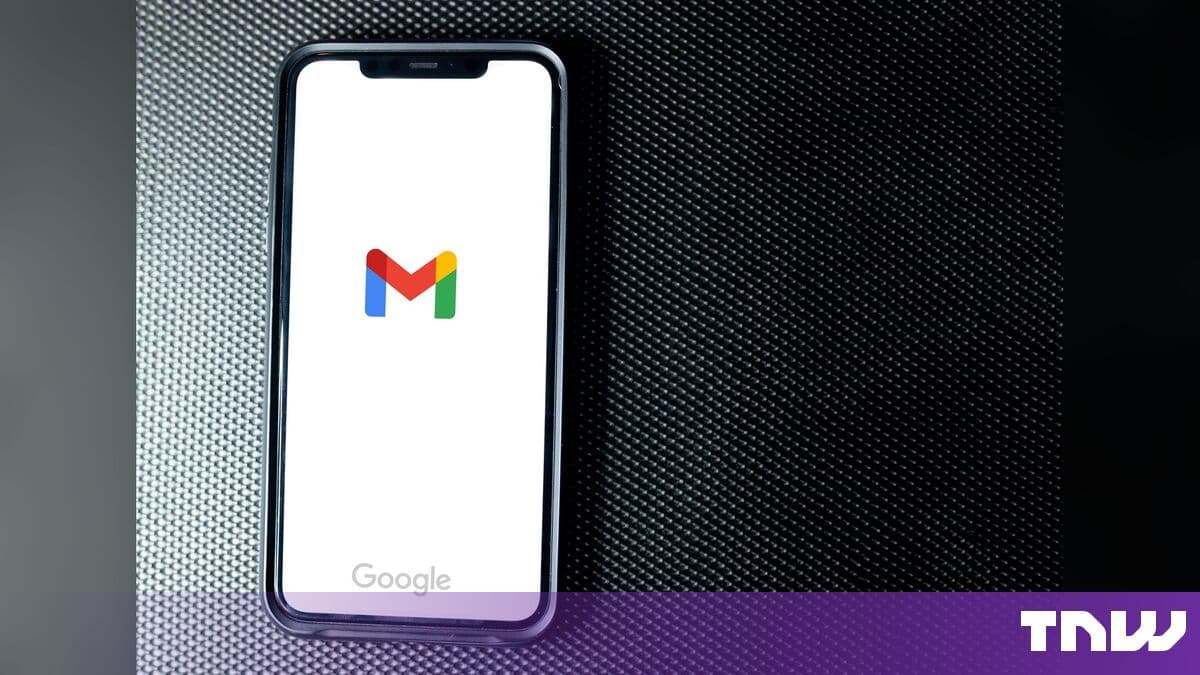
Google has updated its privacy policy to allow content from Gmail, Google Drive, and Google Photos to influence personalized ads if users connect these apps to ad-supported Google services. The change, effective 16 October, expands the data sources available for ad targeting while excluding sensitive information and maintaining existing data-sharing limits with advertisers.

Editor, Lazyfounder
KEY HIGHLIGHTS
- Google updated its privacy policy on 16 October to allow content from Gmail, Drive, and Google Photos to influence personalized ads if users connect these apps to ad-supported Google services.
- The previous policy explicitly excluded Drive, Gmail, and Photos content from ad personalization.
- The change applies to services like Search and the Gemini app, which can use connected app data for tailored responses, including ads.
- Ads in the Gemini app are not currently shown, but AI search tools can display sponsored content.
- Personal Intelligence, launched 14 January, enables Gemini and Search tools to use data from connected apps but is unavailable in the European Economic Area, Switzerland, UK, and Nigeria.
- Google clarified that sensitive information and direct content from Gmail or Photos will not be used for ads, and data sharing with advertisers remains unchanged.
What changed in Google’s privacy policy
Google updated its privacy policy on 16 October to permit the use of content from Gmail, Google Drive, and Google Photos for personalizing ads. This applies only if users connect these apps to Google services that support advertising, such as Search or the Gemini app.
The previous policy explicitly stated that personalized ads would not be based on content from Drive, Gmail, or Photos. The reversal expands the scope of data that can inform ad targeting, though Google maintains that sensitive information will not be used.
How Personal Intelligence fits into the update
The policy change aligns with Google’s Personal Intelligence feature, launched on 14 January. This tool allows Gemini and Search to use data from connected apps—like hotel bookings in Gmail or documents in Drive—to generate tailored responses, which can include ads.
While the Gemini app itself does not currently display ads, Google’s AI search tools can show sponsored content. This creates a indirect link between app integrations and ad personalization.
Personal Intelligence is available only for personal Google accounts of users over 18 and is not offered in the European Economic Area, Switzerland, the UK, or Nigeria. It is also excluded from Workspace business, enterprise, and education accounts.
What the update does not change
Google clarified that ads will not be directly based on content from Gmail inboxes or Photos libraries. The company also reiterated that it does not share data from Drive, Gmail, or Photos with advertisers, nor does it provide details like names or email addresses.
The update does not alter how Google shares data with ad partners. Advertisers will continue to receive aggregated or anonymized signals, not raw user content.
What this means
Lazyfounder analysis — our interpretation, not reported fact.
Google’s policy shift reflects a broader industry trend of leveraging user data across services to refine ad targeting, but it also raises questions about consent and transparency. For founders, the change underscores the importance of clear privacy disclosures, especially if their products integrate with Google’s ecosystem. Operators in adtech or SaaS should monitor how this impacts user expectations and regulatory scrutiny, particularly in markets where Google’s Personal Intelligence is restricted. The exclusion of enterprise and education accounts suggests Google is prioritizing consumer-focused revenue streams, which could influence how startups structure their own integrations.
Key takeaways
- Founders building products that integrate with Google services must assess how this policy change could affect user trust and compliance requirements, particularly in regions where Personal Intelligence is unavailable.
- Operators in digital advertising should note that Google’s ad personalization now extends to a broader range of user data, potentially reshaping targeting strategies.
- Startups in the European Economic Area, UK, or Nigeria may face different competitive dynamics, as Google’s Personal Intelligence features are not available in these markets.
Related on Lazyfounder
Sources
- The Next Web · 2026-10-26
Google’s privacy policy now lets Gmail and Photos content shape your ads
This story is an original summary drafted with AI by Lazyfounder from the reporting listed above and checked by automated validation. Facts are attributed to their original publishers; sections marked as analysis are Lazyfounder's. Where a source is in another language, facts were machine-translated and quotations are reported, not reproduced. Read the original coverage via the links, and see our AI policy and corrections policy.

About the author
Editor, Lazyfounder
Tarun Mottlia edits LazyFounders, covering Indian startups, funding rounds, AI and product launches. Every story on the site is AI-assisted and checked against its cited sources before publication.
More stories by Tarun MottliaGet the LazyFounder Brief
Startup, funding and AI news in a five-minute read. Join the early-access list.
