

Google Health adds food tracking, Maps launches AI trip planning
Google updated its Google Health and Google Maps apps with AI-driven features designed to turn them into everyday assistants. Health Premium now offers food and hydration tracking, while Maps can plan trips and book appointments—tasks that previously required multiple apps or manual effort.

Editor, Lazyfounder
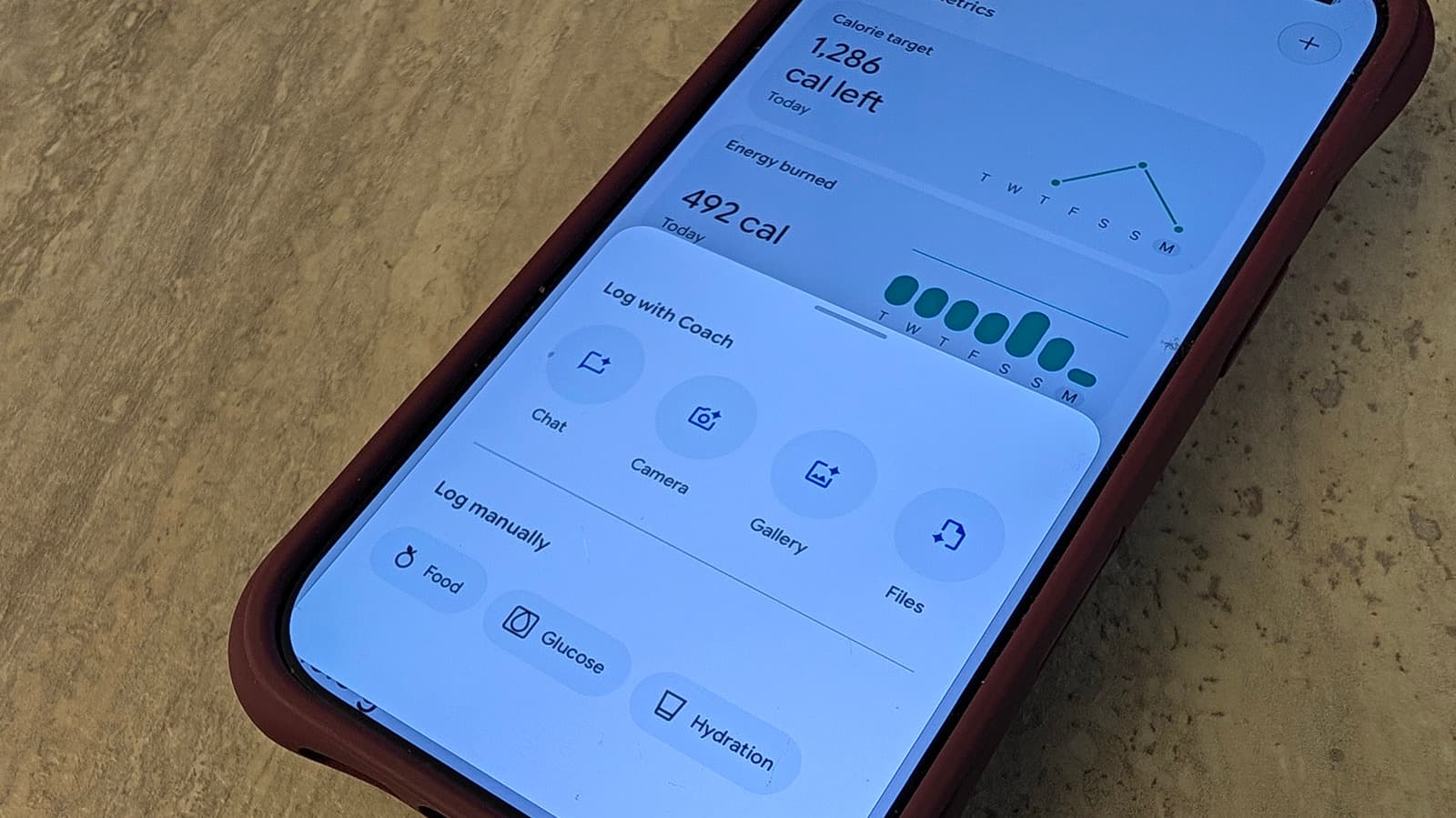
TABLE OF CONTENTS
What Google launched
Google introduced updates to its Google Health and Google Maps apps, adding AI-driven tools for diet tracking and trip planning. The features aim to simplify health monitoring and daily task management for users across Android and iOS.
How food tracking works in Google Health Premium
The Google Health Premium subscription, priced at $9.99 per month or included with a Google One subscription, now includes food and hydration tracking. The app integrates with Fitbit trackers and Google Pixel smartwatches, offering photo-based meal logging, barcode scanning, and voice input via the Ask Coach assistant. Users can log meals by describing them, scanning barcodes, or uploading photos, which the app analyzes to calculate nutritional values like calories, macros, and protein intake.
According to Engadget, the app provides recommendations for adjusting diet based on logged meals and activity data from connected devices. For example, it may suggest adding more protein or avoiding late-night caffeine to improve sleep quality.
Nutritional insights and adjustments
The app’s Nutrition section displays daily calorie targets, burn, and intake, along with macro goals for carbohydrates, fat, and protein. It adapts recommendations based on patterns, such as linking poor sleep to late caffeine intake or low energy to insufficient breakfast. Users can modify meal details, like portion sizes or ingredients, to refine accuracy.
AI trip planning and appointment booking in Maps
Google Maps now features an AI-powered tool called Ask Maps, which creates step-by-step trip itineraries and finds appointments for services like beauty, pet care, or home repairs. Users can request itineraries for multi-day trips, including real-time updates on traffic, business hours, and even the "vibe" of stops. TechCrunch reports that itineraries can be shared with others or exported to Google Docs.
Ask Maps also books appointments by displaying available time slots at nearby businesses, eliminating the need to visit multiple websites or make calls. The tool expands to 30 European countries, including Spain, Germany, and the U.K.
Why these updates matter for competitors
Google’s updates reflect a broader shift in AI development: from answering questions to completing tasks autonomously. This positions apps like Maps and Health as daily assistants, not just search or tracking tools. TechCrunch notes that this mirrors Meta’s AI agent Muse, which also books appointments on users’ behalf.
For founders, this signals that standalone apps in health tracking or local services may face pressure to integrate with broader platforms or offer unique value to avoid being overshadowed by Google’s ecosystem.
What this means
Lazyfounder analysis — our interpretation, not reported fact.
Google’s latest updates to Google Health Premium and Google Maps show how AI-powered features are moving from gimmicks to genuinely useful tools—if users adopt them. For founders in health tech or local services, this signals two things:
-
Health tracking is now a subscription play. Google bundled food logging, hydration tracking, and macro analysis into Health Premium ($9.99/month or free with Google One). This mirrors the shift seen in wearables like Oura and Whoop, where hardware sales alone aren’t enough to sustain growth. Startups in this space will need to either compete on depth (e.g., niche dietary insights) or offer a cheaper, ad-supported alternative to MyFitnessPal.
-
AI assistants are getting practical. Ask Maps doesn’t just answer questions—it books appointments, adjusts itineraries, and shares real-time traffic updates. This positions Google Maps as a direct competitor to vertical-specific apps (e.g., TripIt for travel, StyleSeat for appointments). Founders building AI-driven tools for local services (e.g., booking platforms, gig work coordination) now face a choice: integrate with Google’s ecosystem or risk being sidelined by users who prefer an all-in-one solution.
Related on Lazyfounder
Sources
- Engadget · 2026-11-14
This Underrated Google Health App Feature Can Make Food Tracking Less Annoying - TechCrunch · 2026-11-16
Google Maps can now build trip itineraries with real-time details about each stop
This story is an original summary drafted with AI by Lazyfounder from the reporting listed above and checked by automated validation. Facts are attributed to their original publishers; sections marked as analysis are Lazyfounder's. Where a source is in another language, facts were machine-translated and quotations are reported, not reproduced. Read the original coverage via the links, and see our AI policy and corrections policy.

About the author
Editor, Lazyfounder
Tarun Mottlia edits LazyFounders, covering Indian startups, funding rounds, AI and product launches. Every story on the site is AI-assisted and checked against its cited sources before publication.
More stories by Tarun MottliaGet the LazyFounder Brief
Startup, funding and AI news in a five-minute read. Join the early-access list.
