
Google’s Android XR smart glasses add privacy features to counter Meta
Google has started taking preorders for its Android XR Intelligent Eyewear, the smart glasses it co-developed with Samsung, Warby Parker, and Gentle Monster. To counter concerns about intrusive recording, the company has built in a 90-second capture limit, real-time tamper detection, and policies that block face recognition and livestreaming. Sales begin December 10.

Editor, Lazyfounder
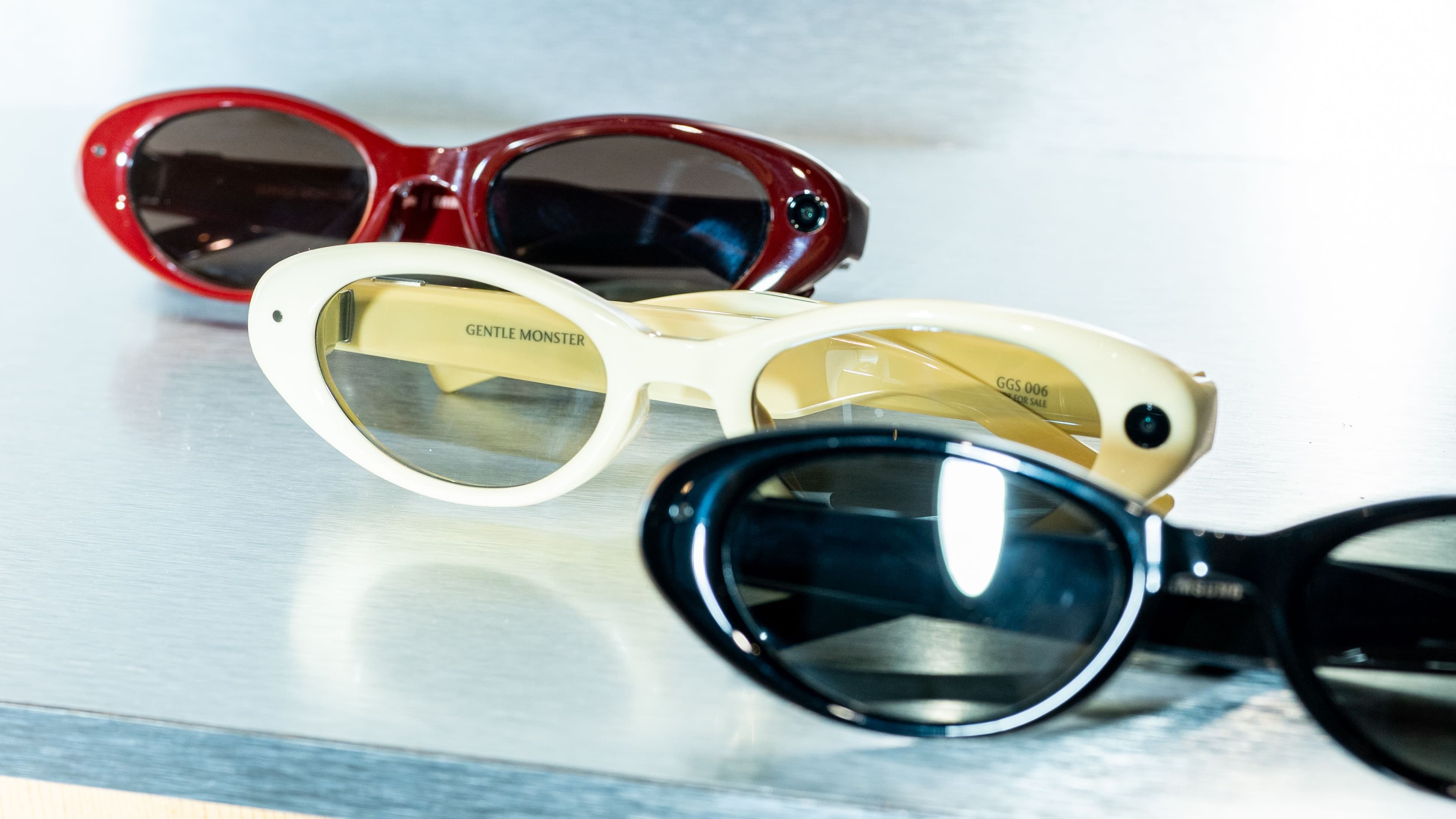
TABLE OF CONTENTS
Preorders open for December launch
Google has begun accepting preorders for its Android XR Intelligent Eyewear, the smart glasses developed with Samsung, Warby Parker, and Gentle Monster. The glasses will go on sale December 10, matching the timeline disclosed in recent privacy announcements.
Controls limit recording and protect visual data
Google designed the glasses to address concerns about recording without consent. A physical power switch turns the device off completely, letting users wear them as normal eyeglasses when not in use. A recording light activates automatically whenever the camera is on, and the duration is capped at 90 seconds to limit surreptitious capture.
Images or video sent to Google’s Gemini AI for tasks like translation or calendar updates are encrypted and never saved in Gemini History. The company says it will not use this data to train its models or target ads. If processing requires cloud or phone resources, the visuals are encrypted in transit. Google plans to extend its Private AI Compute technology—similar to Apple’s secure enclave—to keep this processing isolated from other apps.
Bystander protections and developer rules
Third-party developers cannot access the camera without explicit user permission. The Google Play Store blocks apps from using the glasses for real-time face recognition, social livestreams, or altering the recording light’s behavior.
Google’s algorithms monitor the recording LED in real time; if the light is covered or tampered with, the camera refuses to capture images or video. When Gemini analyzes a scene, the pipeline automatically redacts faces of bystanders to prevent identification. Microphones use directional processing to separate the wearer’s voice from background conversations, and a "denoiser" step filters out other voices before sending audio to Gemini.
Enforcement spans hardware, apps, and content
During initial setup, users must accept responsible-use policies: no covert recording, no recording in sensitive places, and no obscuring the recording light. Violations can disable the glasses. Google also requires an account restricted to users aged 18 and older.
The company has updated Google Shopping and Google Ads policies to ban accessories designed to hide recording lights. YouTube will enforce restrictions on videos showing harassment or unwanted sexualization, regardless of whether they were recorded with the glasses, a smartphone, or another device.
Privacy advocates cautiously welcome the guardrails
Juston Payne, Google’s senior director of product management for XR, told WIRED that the design choices were deliberate and replicable. "These are not hard technical problems. They’re decisions," he said. "We want to raise the bar and encourage other companies to follow."
Digital-rights advocates acknowledge the improvements but argue that camera-equipped glasses still enable mass surveillance. Reem Suleiman of Fight for the Future notes that even an active recording light is less noticeable on glasses than on a handheld phone, and consent remains ambiguous. Janusz Swierczynski, a researcher at the University of Oxford’s Saïd Business School, studies how subtly these devices alter social behavior in public spaces.
What this means
Lazyfounder analysis — our interpretation, not reported fact.
Google’s privacy playbook for its Android XR Intelligent Eyewear—encrypted data, tamper-proof cameras, redaction of bystanders’ faces—sets a floor for consumer trust in wearable AI. Startups building niche apps for these glasses now face tighter guardrails than they would on Meta’s platform, and the 90-second recording cap may force them to rethink real-time services like live translation or AR navigation. For founders in India, where smart glasses could soon land in high-density cities, this is both a warning and a template: regulators and consumers will expect at least this level of transparency.
Related on Lazyfounder
Sources
- WIRED · 2026-11-12
Here’s How Google Says It’s Making Its Smart Glasses More Private
This story is an original summary drafted with AI by Lazyfounder from the reporting listed above and checked by automated validation. Facts are attributed to their original publishers; sections marked as analysis are Lazyfounder's. Where a source is in another language, facts were machine-translated and quotations are reported, not reproduced. Read the original coverage via the links, and see our AI policy and corrections policy.

About the author
Editor, Lazyfounder
Tarun Mottlia edits LazyFounders, covering Indian startups, funding rounds, AI and product launches. Every story on the site is AI-assisted and checked against its cited sources before publication.
More stories by Tarun MottliaGet the LazyFounder Brief
Startup, funding and AI news in a five-minute read. Join the early-access list.
