
Getty Images files for Chapter 11 with $533M privatization deal
Getty Images has filed for Chapter 11 bankruptcy in Delaware as part of a plan to eliminate $270 million in debt and transition to private ownership. The Getty family and Koch Equity Development will invest up to $533 million in new equity, acquiring full control by the end of the year. The move follows a failed $3.7 billion merger with Shutterstock and rising competition from AI-powered image tools.

Editor, Lazyfounder
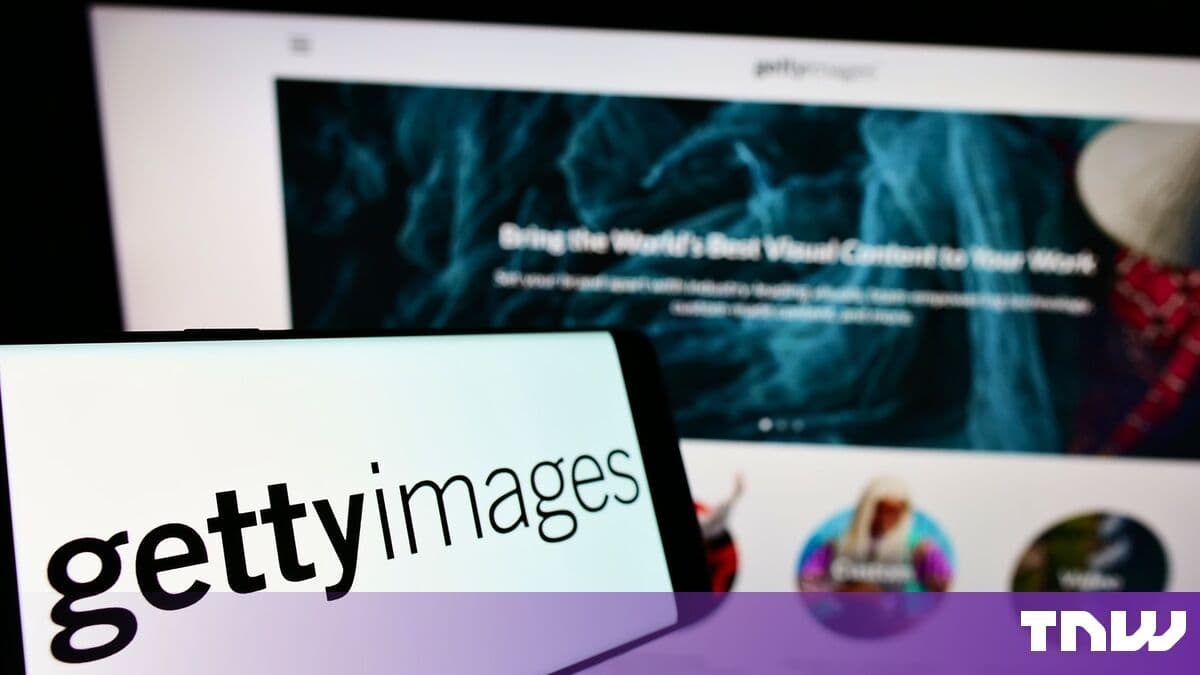
Debt restructuring and privatization
Getty Images filed for Chapter 11 bankruptcy in Delaware on Wednesday, according to court papers. The company’s assets and liabilities are listed between $1 billion and $10 billion.
The Getty family and Koch Equity Development will invest up to $533 million in new equity to take the company private. Bond holders agreed to write off $270 million in debt, while other lenders consented to reduced interest rates and extended payment timelines. The restructuring is expected to conclude by the end of the year, with current shareholders likely receiving nothing.
Koch Equity Development will provide up to $143 million in additional funding to support the company through the bankruptcy process. Operations, including relationships with photographers and customers, will continue unchanged, according to the company.
What this means
Lazyfounder analysis — our interpretation, not reported fact.
Getty Images’ Chapter 11 filing is a strategic move to shed debt and reposition itself away from public markets, where its stock had collapsed to pennies. For founders and operators in the visual content and AI sectors, this signals two key trends:
First, the stock photography industry is under severe pressure from AI-generated alternatives. Getty’s licensing deal with OpenAI and its lawsuit against Stability AI highlight the legal and commercial tensions emerging as AI tools disrupt traditional content creation. Companies in adjacent markets—whether incumbents or startups—may need to reassess their strategies around licensing, partnerships, or litigation to protect their assets.
Second, the failed $3.7 billion merger with Shutterstock, blocked by UK regulators over competition concerns, underscores how regulatory scrutiny can derail even large-scale deals. This is a cautionary note for startups eyeing mergers or acquisitions, particularly in markets with overlapping assets or customer bases. The demand to divest Shutterstock’s news photo business also reveals how narrowly regulators may define market segments, adding another layer of risk to deal-making.
Finally, the privatization deal itself reflects a growing trend of companies retreating from public markets when faced with unsustainable debt or activist pressure. For founders, this could mean more opportunities to acquire distressed assets or collaborate with firms that are no longer beholden to quarterly earnings expectations.
Related on Lazyfounder
Sources
- The Next Web · 2026-10-21
Getty Images files for bankruptcy, pushes ahead with plan to go private
This story is an original summary drafted with AI by Lazyfounder from the reporting listed above and checked by automated validation. Facts are attributed to their original publishers; sections marked as analysis are Lazyfounder's. Where a source is in another language, facts were machine-translated and quotations are reported, not reproduced. Read the original coverage via the links, and see our AI policy and corrections policy.

About the author
Editor, Lazyfounder
Tarun Mottlia edits LazyFounders, covering Indian startups, funding rounds, AI and product launches. Every story on the site is AI-assisted and checked against its cited sources before publication.
More stories by Tarun MottliaGet the LazyFounder Brief
Startup, funding and AI news in a five-minute read. Join the early-access list.
