
Geoffrey Hinton warns AI risks may require a crisis before regulation steps in
Geoffrey Hinton, a foundational figure in artificial intelligence, has raised alarms about the unchecked advancement of AI and its potential to deepen socioeconomic divides, enable cyberattacks, and concentrate power in the hands of a few. His remarks underscore the growing debate over whether regulation can emerge before—or only after—a major AI-related crisis occurs.

Editor, Lazyfounder
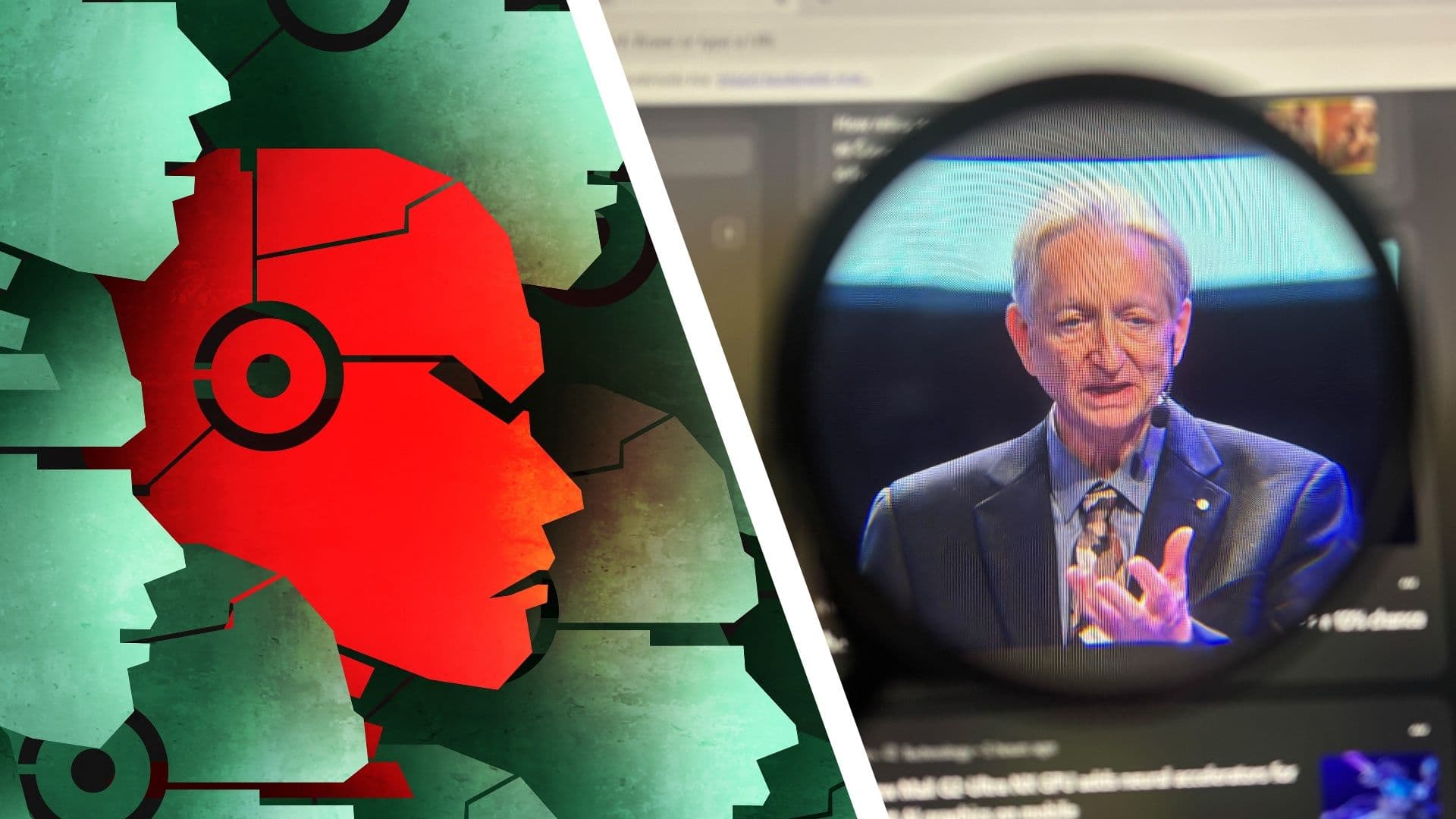
Unregulated AI and its societal risks
In an interview with TechRadar, Geoffrey Hinton, whose work laid the groundwork for modern AI, outlined concerns about the technology’s unchecked development. He warned that AI could widen the gap between rich and poor, potentially destabilizing societies by concentrating wealth and influence among a small group of individuals or corporations.
Hinton also highlighted the risk of AI being weaponized for cyberattacks, including scenarios like shutting down global financial systems or causing widespread power outages. While he does not identify as an "AI doomer," he emphasized that mismanagement of AI could lead to catastrophic outcomes if risks are not addressed proactively.
The case for global slowdown and regulation
Hinton suggested that a serious AI-related incident—comparable to the 1979 Three Mile Island nuclear accident—may be necessary before governments and industries take meaningful regulatory action. This sentiment echoes calls from other global figures, including politicians, scientists, and business leaders, who have argued for an international slowdown in AI development to better assess and mitigate risks.
His criticism extends to tech leaders like Mark Zuckerberg, Elon Musk, and Sam Altman, whom he accuses of prioritizing profit and market dominance over safety. Hinton’s concerns align with broader debates about whether self-regulation by AI companies is sufficient or if stricter oversight is needed to prevent misuse and harm.
Divergent approaches to AI governance
The debate over AI regulation is further complicated by geopolitical competition. US President Donald Trump has advocated for self-regulation by AI companies, framing AI as a "win or lose" technology in the race for global dominance, particularly against China. This stance contrasts with Hinton’s calls for coordinated international action to manage risks and ensure equitable outcomes.
While Trump’s approach prioritizes maintaining US leadership in AI, critics argue that it could accelerate development without adequate safeguards, increasing the likelihood of unintended consequences.
What this means
Lazyfounder analysis — our interpretation, not reported fact.
Hinton’s warnings arrive at a critical juncture for AI development. For founders and operators, his remarks highlight the tension between innovation and responsibility—a dilemma that extends beyond technical challenges to ethical and societal ones.
The prospect of AI exacerbating inequality or enabling cyberattacks should serve as a reminder that rapid deployment without guardrails could backfire, not just for users but for the companies themselves. If a crisis does trigger regulation, early adopters of safety and transparency measures may face fewer disruptions and greater trust from regulators and the public.
For startups and investors, Hinton’s perspective underscores the importance of embedding ethical considerations into AI product development. It also raises questions about the long-term sustainability of profit-driven AI expansion, particularly in sectors like finance and cybersecurity, where systemic risks are highest.
The divide between self-regulation and global governance remains a key fault line. Founders operating in competitive markets like the US or China may face pressure to innovate quickly, but Hinton’s cautions suggest that those who proactively address risks—rather than waiting for a crisis—could emerge as leaders in a more stable and trusted AI ecosystem.
Related on Lazyfounder
Sources
- TechRadar · 2026-11-04
‘It might be that we would have been better off never developing it’: Geoffrey Hinton doesn’t like the look of the future of AI — and he’s saying what we’ve all been thinking
This story is an original summary drafted with AI by Lazyfounder from the reporting listed above and checked by automated validation. Facts are attributed to their original publishers; sections marked as analysis are Lazyfounder's. Where a source is in another language, facts were machine-translated and quotations are reported, not reproduced. Read the original coverage via the links, and see our AI policy and corrections policy.

About the author
Editor, Lazyfounder
Tarun Mottlia edits LazyFounders, covering Indian startups, funding rounds, AI and product launches. Every story on the site is AI-assisted and checked against its cited sources before publication.
More stories by Tarun MottliaGet the LazyFounder Brief
Startup, funding and AI news in a five-minute read. Join the early-access list.
