
Garmin introduces nano-molded titanium cases for Fenix 9 Pro and Marq Generation 3 smartwatches
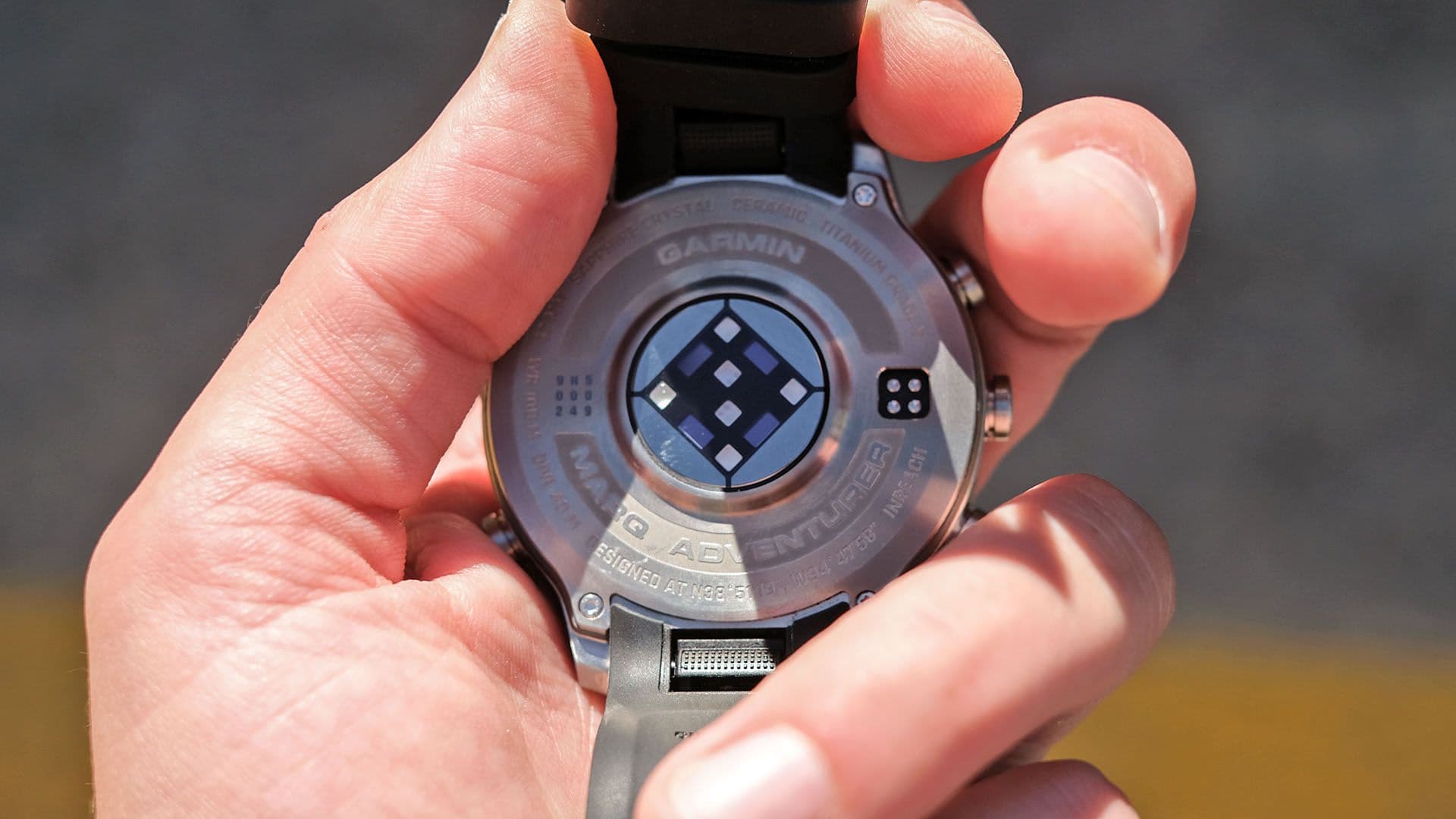
Garmin has unveiled its Fenix 9 Pro and Marq Generation 3 smartwatches, featuring a new nano-molded titanium case design. The company addressed technical challenges to balance durability, signal transmission, and comfort while avoiding the bulkiness often associated with premium wearables.

Editor, Lazyfounder
KEY HIGHLIGHTS
- Garmin’s Fenix 9 Pro and Marq Generation 3 smartwatches use nano-molded titanium cases to enhance durability and signal transmission.
- Titanium was chosen for its lightweight and strength but required polymer integration to avoid blocking radio signals.
- Nano molding (NMT) bonds titanium and polymer at the nano scale, reducing bulk while maintaining structural integrity.
- The Garmin Venu 4’s price increased to $549.99 in the U.S., up from $450 for its predecessor.
Why titanium and nano molding
Garmin’s COO Brad Trenkle and Creative Lead for the Outdoor Segment Todd Register discussed the technical trade-offs behind the new nano-molded titanium cases in the Fenix 9 Pro and Marq Generation 3. Titanium is lighter and stronger than aluminium and stainless steel, which have been traditional choices for premium watches. However, an all-metal titanium case blocks radio signals, a critical limitation for smartwatches that rely on GPS, Bluetooth, and other wireless connections.
To solve this, Garmin employed nano molding technology (NMT), a process that etches titanium at the nano scale to create a tight bond with polymer parts. Unlike conventional methods that use gaskets or adhesives, NMT allows the polymer to merge directly with the titanium, reducing bulk while preserving signal transmission and water resistance. The result is a lighter, more comfortable watch that avoids the tuna-can effect—a common complaint about bulky wearables.
Trenkle noted that while titanium reduces weight, it doesn’t eliminate the need for polymer components entirely. The Fenix 9 base model, priced at $999, still includes plastic parts to address signal transmission and comfort concerns.
Historical context and pricing shifts
Garmin’s focus on technical refinement aligns with its history of innovation in GPS-enabled wearables. The Forerunner 201, released in 2003, was the company’s first GPS watch for runners and set the foundation for its later designs. More recently, the Venu 4 saw a price increase to $549.99 in the U.S., up from $450 for the previous generation. This follows a broader trend in Garmin’s pricing strategy, which has faced pressure from rising component costs, as noted in earlier reporting on supply chain challenges.
Precedents in nano molding
Garmin is not the first company to experiment with nano molding. HTC introduced the technology in 2011 for its Sensation 4G smartphone, though it has since remained uncommon in consumer electronics. The adoption of NMT in the Fenix 9 Pro and Marq Generation 3 reflects Garmin’s efforts to differentiate its premium wearables through material science.
What this means
Lazyfounder analysis — our interpretation, not reported fact.
For founders and operators in the wearable tech space, Garmin’s adoption of nano-molded titanium signals a shift in how premium smartwatches are engineered. The focus on reducing bulk while improving durability and signal transmission sets a new benchmark for competitors like Apple, Samsung, and Suunto. It also highlights the importance of material innovation in justifying higher price points, particularly as consumers grow more sensitive to form factor trade-offs. Startups working on wearables may need to explore similar advanced manufacturing techniques to compete in the high-end market, where comfort and connectivity are non-negotiable.
Key takeaways
- Garmin’s use of nano-molded titanium in the Fenix 9 Pro and Marq Generation 3 demonstrates how material science can address key pain points in smartwatch design—durability, signal transmission, and comfort—without adding bulk.
- The technology could influence competitors to adopt similar methods, especially as consumers demand lighter, more capable devices.
- The price increase for the Venu 4 reflects ongoing challenges in the consumer electronics supply chain, mirroring earlier signals from Garmin about rising component costs.
- Startups in the wearables space may need to invest in advanced manufacturing processes to meet the expectations set by premium incumbents.
Related on Lazyfounder
Sources
This story is an original summary drafted with AI by Lazyfounder from the reporting listed above and checked by automated validation. Facts are attributed to their original publishers; sections marked as analysis are Lazyfounder's. Where a source is in another language, facts were machine-translated and quotations are reported, not reproduced. Read the original coverage via the links, and see our AI policy and corrections policy.

About the author
Editor, Lazyfounder
Tarun Mottlia edits LazyFounders, covering Indian startups, funding rounds, AI and product launches. Every story on the site is AI-assisted and checked against its cited sources before publication.
More stories by Tarun MottliaGet the LazyFounder Brief
Startup, funding and AI news in a five-minute read. Join the early-access list.
