

GalaxEye acquires StarOps to expand satellite engineering capabilities
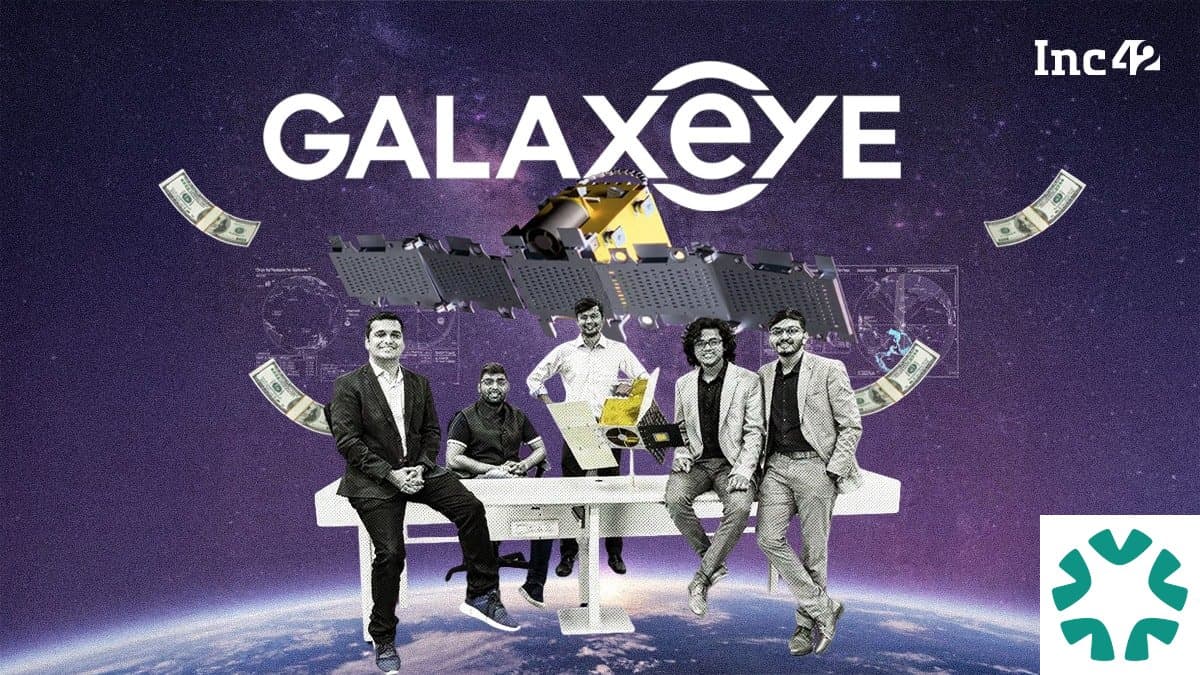
GalaxEye, a Bengaluru-based spacetech startup, has acquired spacecraft engineering company StarOps to deepen its in-house satellite engineering capabilities and integrate indigenous spacecraft technologies. The acquisition adds satellite bus platforms, proprietary subsystems, and testing infrastructure, reinforcing GalaxEye’s focus on vertical integration and reducing supply chain dependencies.

Editor, Lazyfounder
KEY HIGHLIGHTS
- GalaxEye, a Bengaluru-based spacetech startup, has acquired StarOps, a spacecraft engineering company, to expand its in-house satellite engineering capabilities.
- The acquisition adds indigenous spacecraft technologies, including satellite bus platforms for 50 kg, 150 kg, and 250 kg classes, proprietary subsystems, and testing infrastructure.
- StarOps has achieved over 66% indigenisation in its satellite systems, reducing reliance on global supply chains and lowering mission costs.
- GalaxEye is building vertically integrated space technology for defence, national security, and commercial applications, with a focus on earth observation using OptoSAR technology.
- The acquisition follows GalaxEye’s recent satellite launch under ‘Mission Drishti,’ which faced an anomaly but provided engineering insights for future missions.
Acquisition details and strategic goals
According to Inc42, GalaxEye, a Bengaluru-based spacetech startup, has acquired StarOps, a spacecraft engineering company, to expand its in-house satellite engineering capabilities. The acquisition aims to integrate StarOps’ portfolio of indigenous spacecraft technologies, including satellite bus platforms for 50 kg, 150 kg, and 250 kg classes, proprietary subsystems, and testing infrastructure.
StarOps has achieved over 66% indigenisation across its satellite systems, a development that GalaxEye’s CEO and cofounder Suyash Singh highlighted as critical to reducing dependence on global supply chains. The acquisition is part of GalaxEye’s broader vision to own and develop the technologies defining the future of space.
Impact on GalaxEye’s capabilities and mission
The acquisition adds qualification heritage and engineering tools to GalaxEye’s existing portfolio, which includes its proprietary OptoSAR technology. OptoSAR combines synthetic aperture radar (SAR) and optical imaging to deliver high-resolution geospatial intelligence for sectors like defence, agriculture, infrastructure, and disaster management.
GalaxEye recently launched its satellite under ‘Mission Drishti,’ which experienced an anomaly due to a geomagnetic solar storm. Despite losing connection with the spacecraft, the mission provided engineering insights that the startup says will strengthen future missions.
The company now plans to launch two new OptoSAR satellites within the next 24 months, with the acquisition of StarOps expected to bolster its in-house capabilities for quality, reliability, and execution.
Market context and industry trends
The acquisition comes amid rapid growth in India’s spacetech ecosystem. According to Inc42, recent milestones include Skyroot’s successful orbital launch of the Vikram-1 rocket and Agnikul’s onboarding of former ISRO chairman Dr. Somanath S to its board.
These developments reflect a broader trend of private players in India scaling capabilities and pursuing larger contracts in defence, national security, and commercial sectors. GalaxEye’s acquisition of StarOps aligns with this trend, emphasizing vertical integration and indigenisation as key drivers of competitiveness.
What this means
Lazyfounder analysis — our interpretation, not reported fact.
GalaxEye’s acquisition of StarOps signals a strategic move to consolidate engineering talent and indigenous technology under one roof. For founders and operators in the spacetech sector, this is a clear example of how vertical integration—owning both the satellite payload and the bus platform—can reduce external dependencies and accelerate development cycles. The emphasis on indigenisation also aligns with broader industry trends, where supply chain resilience and cost control are becoming critical differentiators.
For investors, this acquisition underscores the growing maturity of India’s spacetech ecosystem, where startups are not just launching satellites but also scaling in-house capabilities to compete globally. The focus on proprietary technology and heritage qualification suggests GalaxEye is positioning itself for larger contracts, particularly in defence and national security, where reliability and self-sufficiency are non-negotiable.
Key takeaways
- This acquisition strengthens GalaxEye’s in-house engineering capabilities, reducing reliance on third-party suppliers for satellite bus platforms and subsystems.
- The integration of StarOps’ indigenised technologies could shorten development timelines and lower costs for future missions, a competitive advantage in the spacetech market.
- The move reflects a broader trend of consolidation in India’s spacetech sector, where startups are scaling capabilities to bid for larger defence and commercial contracts.
- Founders in hardware-intensive sectors may see this as a playbook for vertical integration, particularly in industries where supply chain risks are high.
Sources
- inc42.com · 2026-08-10
GalaxEye Acquires StarOps To Expand Satellite Engineering Capabilities
This story is an original summary drafted with AI by Lazyfounder from the reporting listed above and checked by automated validation. Facts are attributed to their original publishers; sections marked as analysis are Lazyfounder's. Where a source is in another language, facts were machine-translated and quotations are reported, not reproduced. Read the original coverage via the links, and see our AI policy and corrections policy.

About the author
Editor, Lazyfounder
Tarun Mottlia edits LazyFounders, covering Indian startups, funding rounds, AI and product launches. Every story on the site is AI-assisted and checked against its cited sources before publication.
More stories by Tarun MottliaGet the LazyFounder Brief
Startup, funding and AI news in a five-minute read. Join the early-access list.
