
UK startup Formula Space launches CableGuard to combat organised EV cable theft in Europe
Formula Space, a UK-based technology company, has developed CableGuard, a protective sleeve designed to deter the rising theft of EV charging cables by organised criminal gangs. The solution targets a growing problem in Europe, where thefts have disrupted charging networks, increased operational costs, and left drivers unable to access charging stations.

Editor, Lazyfounder
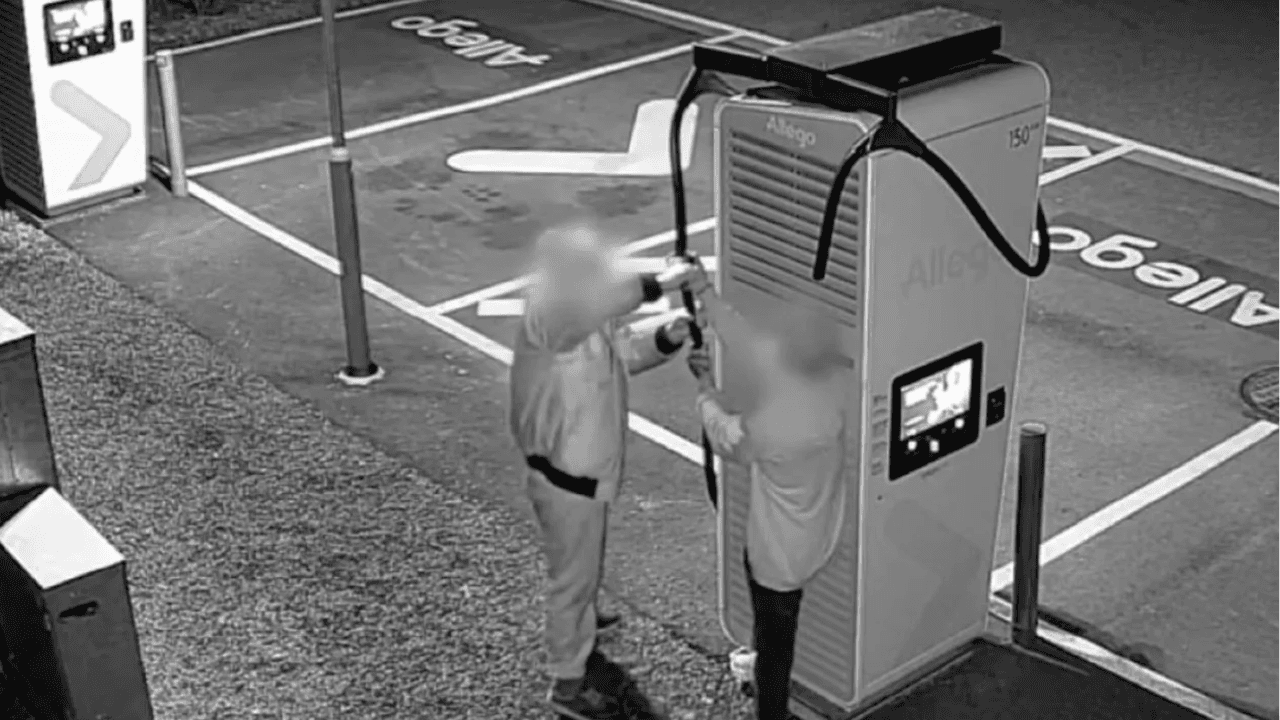
TABLE OF CONTENTS
Why EV cable theft is escalating
Organised criminal gangs are increasingly targeting EV charging infrastructure across Europe, treating it as a lucrative source of copper. The thefts have evolved from opportunistic crimes to coordinated operations, with gangs using stolen vehicles and high-powered tools like angle grinders to remove cables in minutes. Multiple charging sites are often hit in a single night, overwhelming operators.
InstaVolt, a UK charge point operator, reported losing approximately 260 cables from 130 chargers in 2025. German operator EnBW experienced theft at 120 locations during the same period, with damage costs exceeding €1 million. In France, an estimated 10% of the national charging network has been affected, while Spanish authorities detained a group after seizing 34 kilometres of stolen copper charging cables.
How CableGuard works
CableGuard is a flexible protective sleeve that encases EV charging cables, making them significantly harder and slower to cut. The technology is designed to increase the time and effort required for theft, acting as a deterrent for criminals who rely on speed to evade detection. The latest version, CableGuard V4, is engineered to resist attacks using angle grinders and other power tools, which have become common in organised thefts.
The solution can be retrofitted to existing chargers in about 20 minutes, allowing operators to upgrade their infrastructure without lengthy downtime. CableGuard is already installed at thousands of sites globally, including locations operated by TotalEnergies, Atlante, Allego, E.ON, RAW Charging, and Sainsbury’s Smart Charge. Charger manufacturers such as Nidec, Wallbox, and Kempower have verified its compatibility.
The criminal economy behind stolen copper
Stolen EV cables are part of a broader illicit trade in copper, where criminals process the metal to remove identifying marks before mixing it with legitimate scrap. This makes it difficult to trace and recover, allowing thieves to sell the material across borders. In Belgium, a ban on cash payments for scrap metal has been introduced to curb the trade, but similar measures are not yet widespread in other European countries.
The persistence of thefts highlights the vulnerability of charging networks. At one UK site, thieves returned within 24 hours of each cable reinstallation, stealing replacements three times in succession. After Formula Space deployed its highest level of CableGuard protection, the thefts stopped, demonstrating the technology’s effectiveness as a deterrent.
What this means for charging operators
For operators, cable theft is not just a financial burden—it disrupts service, damages equipment, and undermines driver confidence in public charging networks. Each stolen cable can take a charger out of service for days, leading to lost revenue and increased insurance premiums. The rise of organised thefts has also forced operators to invest in security measures, from surveillance cameras to private patrols, adding to operational costs.
CableGuard offers a scalable solution that can be deployed across existing infrastructure. Its compatibility with multiple charger brands and quick retrofitting process make it a practical option for operators looking to mitigate risks without overhauling their networks.
What this means
Lazyfounder analysis — our interpretation, not reported fact.
The launch of CableGuard addresses a systemic vulnerability in Europe’s EV charging infrastructure, one that threatens to slow down adoption by eroding reliability. For operators, the technology is a rare example of a preventative measure that directly targets the economics of theft—making it harder, riskier, and less profitable for criminals. This could reduce the frequency of attacks, lower repair costs, and improve uptime for charging networks, all of which are critical for scaling EV infrastructure.
The broader trend here is the professionalisation of copper theft, which is no longer just a nuisance but a well-organised criminal enterprise. Solutions like CableGuard demonstrate how hardware innovations can outpace criminal tactics, at least temporarily. However, the cat-and-mouse dynamic is likely to continue, especially as copper prices remain volatile. Operators will need to balance the cost of protective measures against the risks of theft, but CableGuard’s modular and retrofittable design lowers the barrier to adoption.
Related on Lazyfounder
Sources
- Tech.eu · 2026-10-23
Stealing EV cables is big business. This company wants to make it too much effort to bother
This story is an original summary drafted with AI by Lazyfounder from the reporting listed above and checked by automated validation. Facts are attributed to their original publishers; sections marked as analysis are Lazyfounder's. Where a source is in another language, facts were machine-translated and quotations are reported, not reproduced. Read the original coverage via the links, and see our AI policy and corrections policy.

About the author
Editor, Lazyfounder
Tarun Mottlia edits LazyFounders, covering Indian startups, funding rounds, AI and product launches. Every story on the site is AI-assisted and checked against its cited sources before publication.
More stories by Tarun MottliaGet the LazyFounder Brief
Startup, funding and AI news in a five-minute read. Join the early-access list.
