

India’s recycling industry taps women for technical roles as sector formalizes
India’s recycling sector is undergoing a shift as new facilities and technologies create demand for technical roles. According to YourStory, these jobs could offer women—long confined to informal waste work—stable employment and career growth, but the industry must invest in training and infrastructure to make it happen.

Editor, Lazyfounder
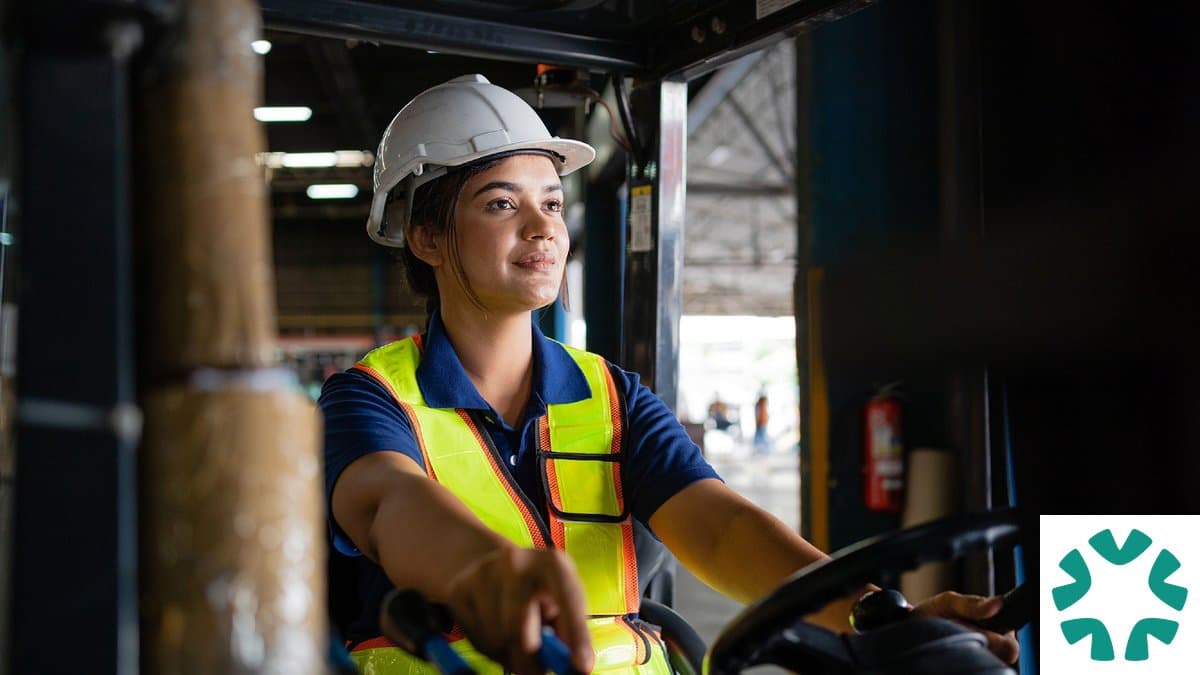
TABLE OF CONTENTS
KEY HIGHLIGHTS
- India’s recycling industry processed over 100 lakh tonnes of plastic waste by the end of 2024, according to the Central Pollution Control Board’s Extended Producer Responsibility portal.
- The country had over 2,800 registered plastic waste processors by 2025, reflecting rapid expansion and formalization of the sector.
- Women, long central to India’s recycling economy, remain largely confined to informal roles with unstable incomes and limited career growth.
- Technical roles in recycling facilities—such as machine operation, quality control, and equipment maintenance—now offer stable employment and clear career pathways.
Why the shift is happening now
The recycling industry in India is expanding, driven by new facilities, stricter quality standards, and technological advancements in waste processing. According to YourStory, the Central Pollution Control Board’s Extended Producer Responsibility portal reported over 2,800 registered plastic waste processors in the country by 2025, with more than 100 lakh tonnes of plastic waste processed by the end of 2024.
This growth is changing the nature of work within recycling plants. Jobs now require skills like machine operation, production monitoring, quality inspection, and equipment maintenance—roles that demand training but offer stable employment and clear career pathways.
Women’s role in the circular economy
Women have been central to India’s recycling economy for decades, collecting, sorting, and recovering materials from homes, streets, and dumpsites. Despite their contributions, most remain in the informal sector, where incomes are unpredictable and working conditions are challenging.
The formalization of the industry presents an opportunity to transition these workers into structured roles. YourStory reports that technical jobs in recycling facilities could provide what informal work rarely offers: regular incomes, financial security, and opportunities for advancement.
Barriers to entry and growth
While the industry’s expansion creates opportunities, structural barriers remain. Many women in rural and semi-urban areas lack access to training programs that could equip them for technical roles. According to YourStory, most are not limited by ability but by the absence of chances to learn industrial skills like forklift handling, electrical systems, or mechanical processes.
Workplace infrastructure also plays a role. Safe transport, suitable facilities, and supportive supervision are critical to retaining women in these roles. Without them, even trained workers may exit the industry, undermining efforts to build a skilled workforce.
What the industry must do next
Recycling companies must invest in structured training programs, apprenticeships, and continuous skill development to prepare women for technical roles. YourStory notes that these initiatives should be integral to workforce planning, particularly in communities near recycling facilities.
Career progression is equally important. Companies need to create pathways for women to advance from entry-level positions to roles like supervisors, trainers, or plant managers. This not only improves retention but also demonstrates the viability of long-term careers in the sector.
The benefits extend beyond individual workers. Financial stability and career growth for women can encourage more women in the same communities to consider industrial jobs, reshaping perceptions of manufacturing and technical roles.
What this means
Lazyfounder analysis — our interpretation, not reported fact.
India’s recycling industry is at a crossroads. The shift toward formalization and technology creates an opening to redefine who fills technical roles—and how those roles can sustain long-term careers. For founders and operators, this isn’t just about meeting labor needs; it’s about building a workforce that can adapt to evolving standards and scale with the industry.
The challenge is clear: without deliberate investment in training, infrastructure, and career pathways, the sector risks perpetuating the same gaps it aims to close. The opportunity is just as evident. By integrating women into technical roles, recycling companies can address skill shortages, improve operational resilience, and contribute to broader economic inclusion. The question is whether the industry will treat this as a compliance checkbox or a strategic priority.
Key takeaways
- Founders and operators in India’s recycling sector can tap into an underutilized talent pool by training women for technical roles, addressing both skill gaps and workforce stability.
- The formalization of recycling facilities creates opportunities to transition informal workers into structured, salaried roles, improving retention and productivity.
- Investing in training and infrastructure for women in recycling can enhance operational resilience and align with broader industry shifts toward technology and quality standards.
Sources
This story is an original summary drafted with AI by Lazyfounder from the reporting listed above and checked by automated validation. Facts are attributed to their original publishers; sections marked as analysis are Lazyfounder's. Where a source is in another language, facts were machine-translated and quotations are reported, not reproduced. Read the original coverage via the links, and see our AI policy and corrections policy.

About the author
Editor, Lazyfounder
Tarun Mottlia edits LazyFounders, covering Indian startups, funding rounds, AI and product launches. Every story on the site is AI-assisted and checked against its cited sources before publication.
More stories by Tarun MottliaGet the LazyFounder Brief
Startup, funding and AI news in a five-minute read. Join the early-access list.
