
Ember Mug 3 Review: Smart Heating Meets Frustrating Drawbacks
Ember’s third-generation smart mug, the Ember Mug 3, promises to keep beverages hot for hours using self-heating technology. However, a review by Engadget highlights significant drawbacks, including its high price, unreliable app, and battery life concerns, raising questions about its value for consumers.

Editor, Lazyfounder
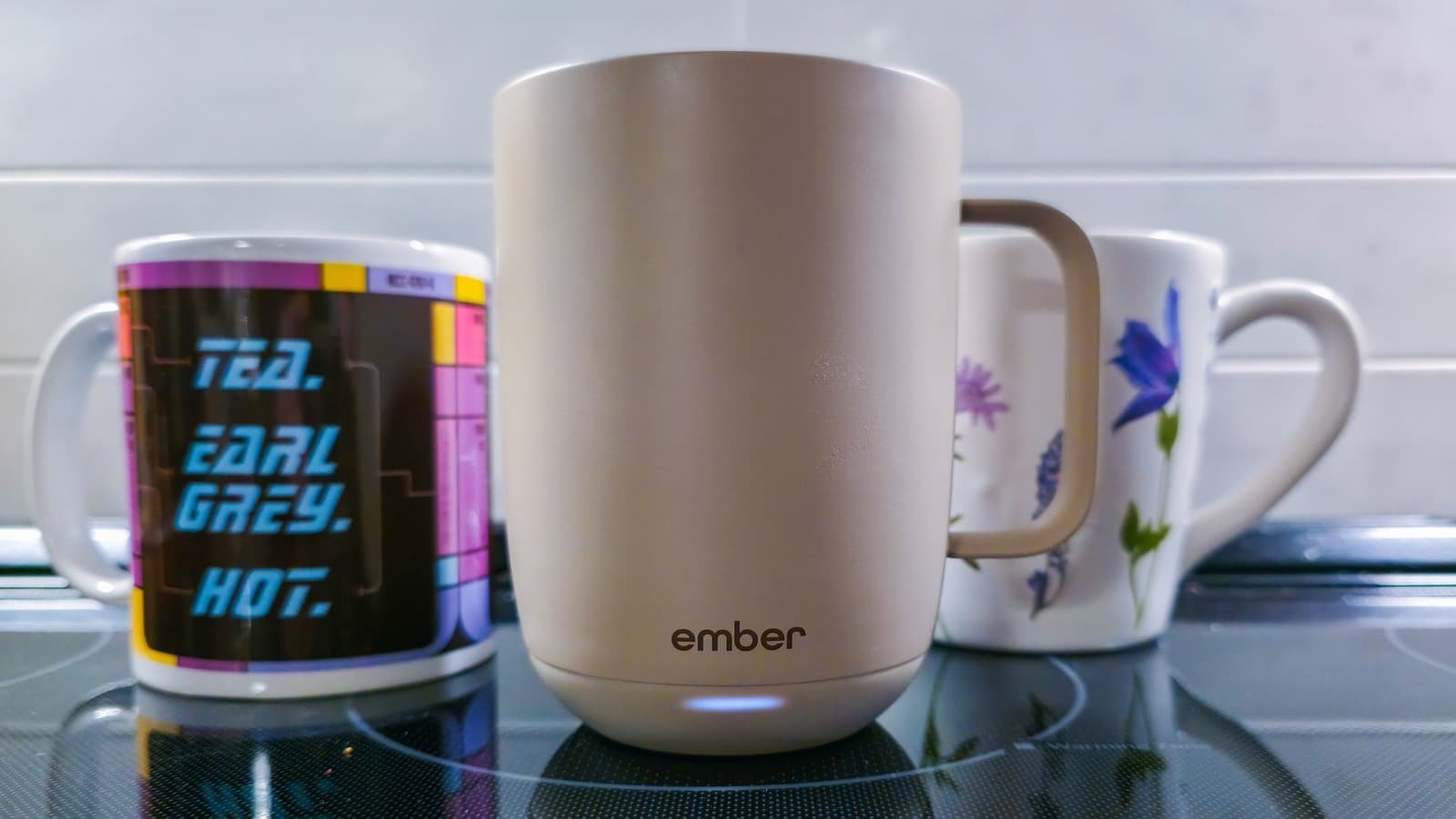
Ember’s third-generation smart mug, the Ember Mug 3, promises to keep beverages hot for hours using self-heating technology. However, a review by Engadget highlights significant drawbacks, including its high price, unreliable app, and battery life concerns, raising questions about its value for consumers.
30 SEC SUMMARY
- Ember Mug 3 launches at $150, nearly double the original 2017 price after inflation adjustments.
- The mug’s build quality and heating tech impress, but app reliability and battery life disappoint.
- Battery drains quickly at high temps, and the mug alters coffee taste over time.
- Herbal tea benefits most from the heating feature, while espresso and milk drinks perform better.
- Cheaper alternatives like the Ohm Ui Inkstone offer similar functionality at a lower cost.
TABLE OF CONTENTS
- Pricing and Design
- Battery and Performance Issues
- App Reliability and Usability
- Impact on Beverage Taste
- Alternatives and Discounts
- What this means
- Key takeaways
- FAQ
- Sources
KEY HIGHLIGHTS
- Ember Mug 3 retails for $150, up from $80 for the original Ember Mug in 2017.
- Battery life is a concern, with the mug dying within two hours at 145 degrees and 30% battery.
- The Ember app is unreliable, often failing to update settings or requiring re-pairing via Bluetooth.
- The mug alters coffee taste, making it more bitter at higher temperatures, but herbal tea fares better.
- A cheaper alternative, the Ohm Ui Inkstone, costs about $40 less than the Ember Mug 3.
Pricing and Design
The Ember Mug 3 is priced at $150, a significant increase from the $80 launch price of the original Ember Mug in 2017. Adjusted for inflation, the original price would be roughly $108 today, making the new model nearly 40% more expensive. According to Engadget, this pricing makes it a "tough sell" for many consumers.
The mug has a 14-ounce capacity but feels heavier than expected, resembling a 24-ounce thermos. It is top-rack dishwasher safe, though its coaster-charger design requires careful handling. The coaster itself uses a barrel plug for wall power, which the reviewer found inconvenient.
Battery and Performance Issues
One of the most significant drawbacks of the Ember Mug 3 is its battery life. During testing, the mug’s battery died within two hours when set to 145 degrees with just 30% battery remaining. The reviewer also noted that the mug’s reliance on a two-pin pogo charger, rather than the Qi standard, limits charging flexibility.
The lid is designed to trap heat, extending battery life by up to three hours. However, this feature does little to offset the overall concerns about battery performance, especially for users who prefer higher temperatures.
App Reliability and Usability
The Ember app, which pairs with the mug via Bluetooth, was described as unreliable. According to Engadget, the app frequently failed to update temperature settings or required re-pairing, disrupting the user experience. The reviewer reported encountering error messages on multiple occasions, further complicating setup and adjustments.
The mug does allow temperature adjustments via presets using a button on its base, but the app’s inconsistencies overshadow this convenience.
Impact on Beverage Taste
The Ember Mug 3’s heating feature has a noticeable impact on the taste of certain beverages. Coffee, for example, became more bitter and over-extracted after an hour at 140 degrees. The reviewer found 120 degrees to be the optimal temperature for coffee, though this setting may not appeal to all drinkers.
Espresso and milk-based drinks, such as lattes, were less affected by the mug’s heating. However, herbal teas, like Sleepytime, benefited the most, with flavors improving over time.
Alternatives and Discounts
For budget-conscious consumers, the Ohm Ui Inkstone is presented as a cheaper alternative, retailing for about $40 less than the Ember Mug 3. According to Engadget, the Inkstone offers similar functionality without the premium price tag.
Ember Mugs have historically seen steep discounts around Black Friday, and the reviewer suggested waiting for sales if considering a purchase.
What this means
Lazyfounder analysis — our interpretation, not reported fact.
The Ember Mug 3 highlights a common challenge for hardware startups: delivering a product that justifies its price through both innovation and reliability. While the mug’s self-heating technology is impressive, its practical flaws—battery life, app reliability, and taste alterations—could deter all but the most enthusiastic buyers.
For founders, this serves as a reminder that even well-engineered products must address real-world usability. The Ember Mug 3’s struggles with its app and battery life show how minor frustrations can overshadow a product’s core strengths. Additionally, the mug’s impact on coffee taste suggests that its value is highly dependent on the user’s preferences, reinforcing the importance of targeting niche audiences effectively.
The existence of cheaper alternatives like the Ohm Ui Inkstone further complicates Ember’s positioning. Unless the company can address its technical shortcomings or refine its pricing strategy, the Mug 3 may struggle to find a broad market beyond slow-drinking tea enthusiasts or those willing to wait for discounts.
Key takeaways
- The Ember Mug 3’s $150 price is a significant jump from its 2017 predecessor, even after adjusting for inflation.
- Battery life and app reliability are major pain points, with the mug dying quickly at high temperatures.
- Coffee taste is altered at higher temperatures, but herbal tea and milk drinks perform better.
- Cheaper alternatives like the Ohm Ui Inkstone offer similar features at a lower cost.
- Ember Mugs historically see discounts during events like Black Friday, making patience a potential cost-saver.
FAQ
Is the Ember Mug 3 worth the $150 price?
According to the Engadget review, the Ember Mug 3’s high price is difficult to justify given its battery life issues, app unreliability, and impact on coffee taste. However, it may appeal to users who prioritize keeping herbal tea or milk drinks hot for extended periods.
How long does the Ember Mug 3’s battery last?
The mug’s battery died within two hours when set to 145 degrees with 30% battery remaining, according to the review. Using the lid can extend battery life by up to three hours by trapping heat.
Does the Ember Mug 3 work with Qi chargers?
No, the Ember Mug 3 uses a two-pin pogo charger rather than the Qi standard, which limits charging flexibility.
Does the Ember Mug 3 alter the taste of coffee?
Yes, the review noted that coffee became more bitter and over-extracted after an hour at higher temperatures. The reviewer found 120 degrees to be the optimal temperature for coffee.
Are there cheaper alternatives to the Ember Mug 3?
Yes, the Ohm Ui Inkstone is a cheaper alternative, costing about $40 less than the Ember Mug 3 and offering similar functionality.
Related on Lazyfounder
Sources
- Engadget · 2026-09-29
The Ember Mug 3 Is Brimming With Potential, But It Leaves A Bitter Taste
This story is an original summary drafted with AI by Lazyfounder from the reporting listed above and checked by automated validation. Facts are attributed to their original publishers; sections marked as analysis are Lazyfounder's. Where a source is in another language, facts were machine-translated and quotations are reported, not reproduced. Read the original coverage via the links, and see our AI policy and corrections policy.

About the author
Editor, Lazyfounder
Tarun Mottlia edits LazyFounders, covering Indian startups, funding rounds, AI and product launches. Every story on the site is AI-assisted and checked against its cited sources before publication.
More stories by Tarun MottliaGet the LazyFounder Brief
Startup, funding and AI news in a five-minute read. Join the early-access list.
