
Elon Musk’s Grok Imagine fails to outdo Christopher Nolan in The Odyssey adaptation
Elon Musk’s AI platform, Grok Imagine, released a seven-minute adaptation of Homer’s The Odyssey in an attempt to surpass filmmaker Christopher Nolan’s version. The project, created in collaboration with Wonder Studios and director Dev Walker, was met with criticism for its lack of emotional depth and artistic value, reinforcing the importance of human filmmakers in storytelling.

Editor, Lazyfounder
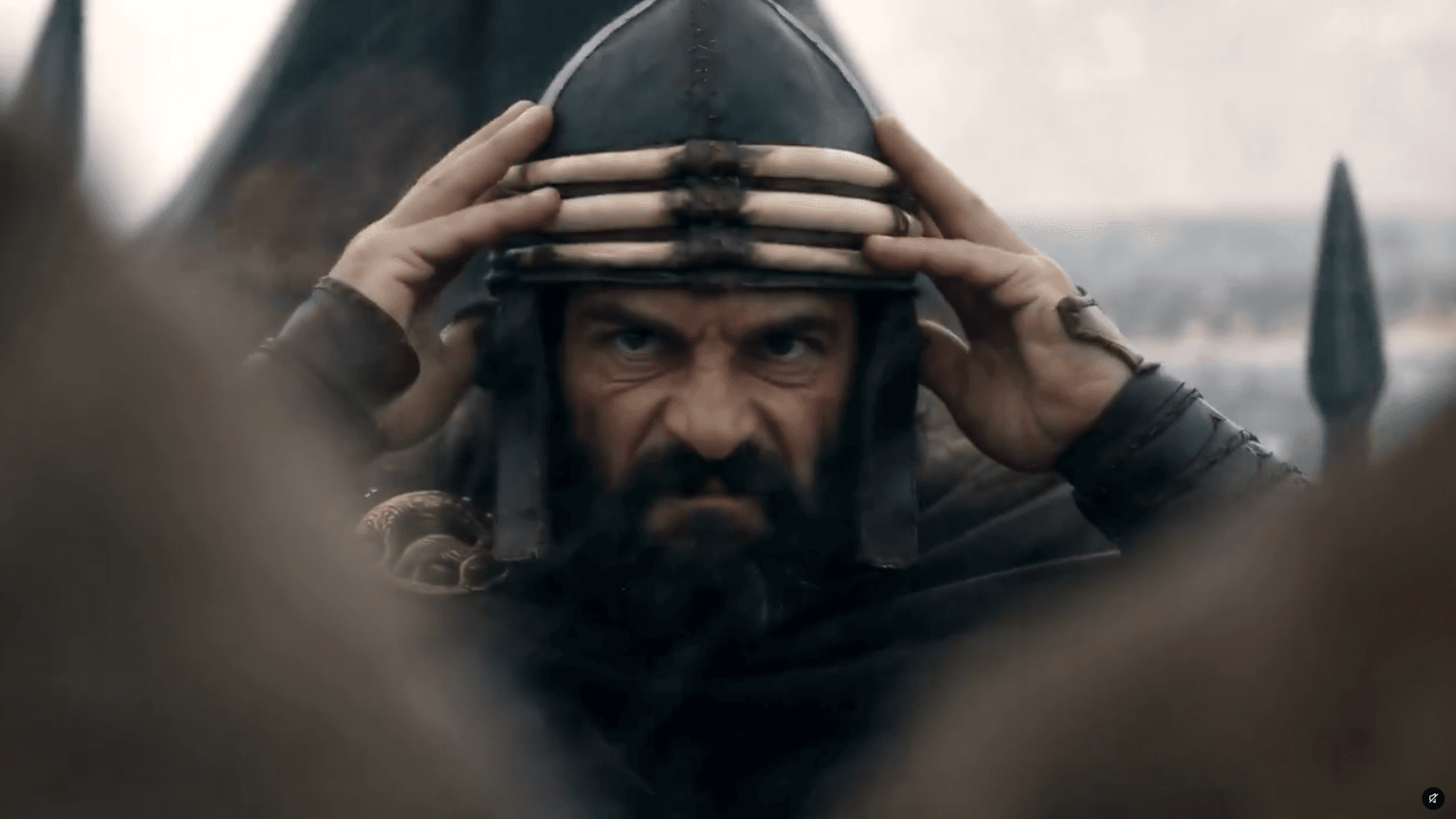
TABLE OF CONTENTS
Musk’s challenge to Christopher Nolan
Elon Musk set out to prove that Grok Imagine, his AI platform, could create a superior adaptation of Homer’s The Odyssey compared to filmmaker Christopher Nolan’s version. Musk’s criticism of Nolan’s casting choices—particularly Lupita Nyong’o and Elliot Page—was overtly racist and became a focal point of the project’s origins, according to TechRadar.
The first seven-minute episode of Grok Imagine’s The Odyssey was released on October 23, 2026, in collaboration with Wonder Studios and director Dev Walker. The project was produced in under two weeks and at a fraction of the cost of a traditional film, but its execution drew immediate backlash.
AI’s artistic shortcomings
Critics quickly pointed out the AI-generated adaptation’s lack of emotional depth and artistic coherence. TechRadar described it as resembling "a collection of trailer clips from someone who watched Gladiator half-asleep 20 years ago and has looked at the covers of some Greek mythology books." Characters were criticized for appearing "dead-eyed and unconvincing," with the project failing to replicate the weight and significance of human-made films.
The AI’s ability to mimic cinematic visuals did not translate into meaningful storytelling. While Grok Imagine reproduced costumes and scenery, the characters and narrative felt irrelevant, underscoring the limitations of AI in capturing the nuances of human creativity.
Broader implications for AI in filmmaking
The comparison between Grok Imagine’s The Odyssey and Nolan’s work highlighted the irreplaceable role of human filmmakers in controlling audience emotions and crafting meaningful art. TechRadar noted that while AI tools like Grok Imagine might assist human directors—particularly in enhancing scenes that would otherwise be impossible on a limited budget—they cannot replace the creative vision and emotional intelligence of human storytellers.
Musk’s project also revived debates about the ethical and artistic value of AI-generated content. The controversy surrounding his racist remarks about Nolan’s casting choices added a layer of discomfort, with observers noting that even if the AI-generated film had been technically competent, its origins would have overshadowed its reception.
Earlier reporting on Grok Imagine’s The Odyssey
This project expands on Grok Imagine’s earlier forays into AI-generated storytelling. LazyFounder previously reported on the release of the first seven-minute episode, created in collaboration with Wonder Studios and director Dev Walker. At the time, critics questioned its narrative coherence and cinematic quality, even as AI-generated content gained traction on streaming platforms.
The project’s rapid production timeline and low cost—achieved in under two weeks for tens of thousands of dollars—were initially framed as a breakthrough for AI in filmmaking. However, the latest backlash underscores the artistic and emotional gaps that remain in AI-generated content.
What this means
Lazyfounder analysis — our interpretation, not reported fact.
Musk’s experiment with Grok Imagine serves as a cautionary tale for founders and operators exploring AI’s role in creative industries. While AI can replicate certain technical aspects of filmmaking—such as visual effects or cost-efficient production—it falls short in delivering the emotional depth and narrative complexity that human creators provide. For startups in the entertainment or AI space, this underscores the need to view AI as a tool to augment human creativity, not replace it. The backlash also signals that audiences and critics remain deeply skeptical of AI-generated art, particularly when it lacks a clear artistic vision or ethical foundation.
Related on Lazyfounder
Sources
- TechRadar · 2026-11-02
Elon Musk tried to prove Grok could beat Christopher Nolan — instead, he proved why human filmmakers matter
This story is an original summary drafted with AI by Lazyfounder from the reporting listed above and checked by automated validation. Facts are attributed to their original publishers; sections marked as analysis are Lazyfounder's. Where a source is in another language, facts were machine-translated and quotations are reported, not reproduced. Read the original coverage via the links, and see our AI policy and corrections policy.

About the author
Editor, Lazyfounder
Tarun Mottlia edits LazyFounders, covering Indian startups, funding rounds, AI and product launches. Every story on the site is AI-assisted and checked against its cited sources before publication.
More stories by Tarun MottliaGet the LazyFounder Brief
Startup, funding and AI news in a five-minute read. Join the early-access list.
