
DeepGreen Holdings proposes underwater AI data centers off Maine and Alaska, risking whale habitats
DeepGreen Holdings has proposed a $100 million project to build underwater AI data centers off the coasts of Maine and Alaska, aiming to leverage tidal cooling. The project has drawn criticism from environmental groups and researchers, who warn of potential harm to endangered whale species due to noise pollution and habitat disruption.

Editor, Lazyfounder
Project details and environmental concerns
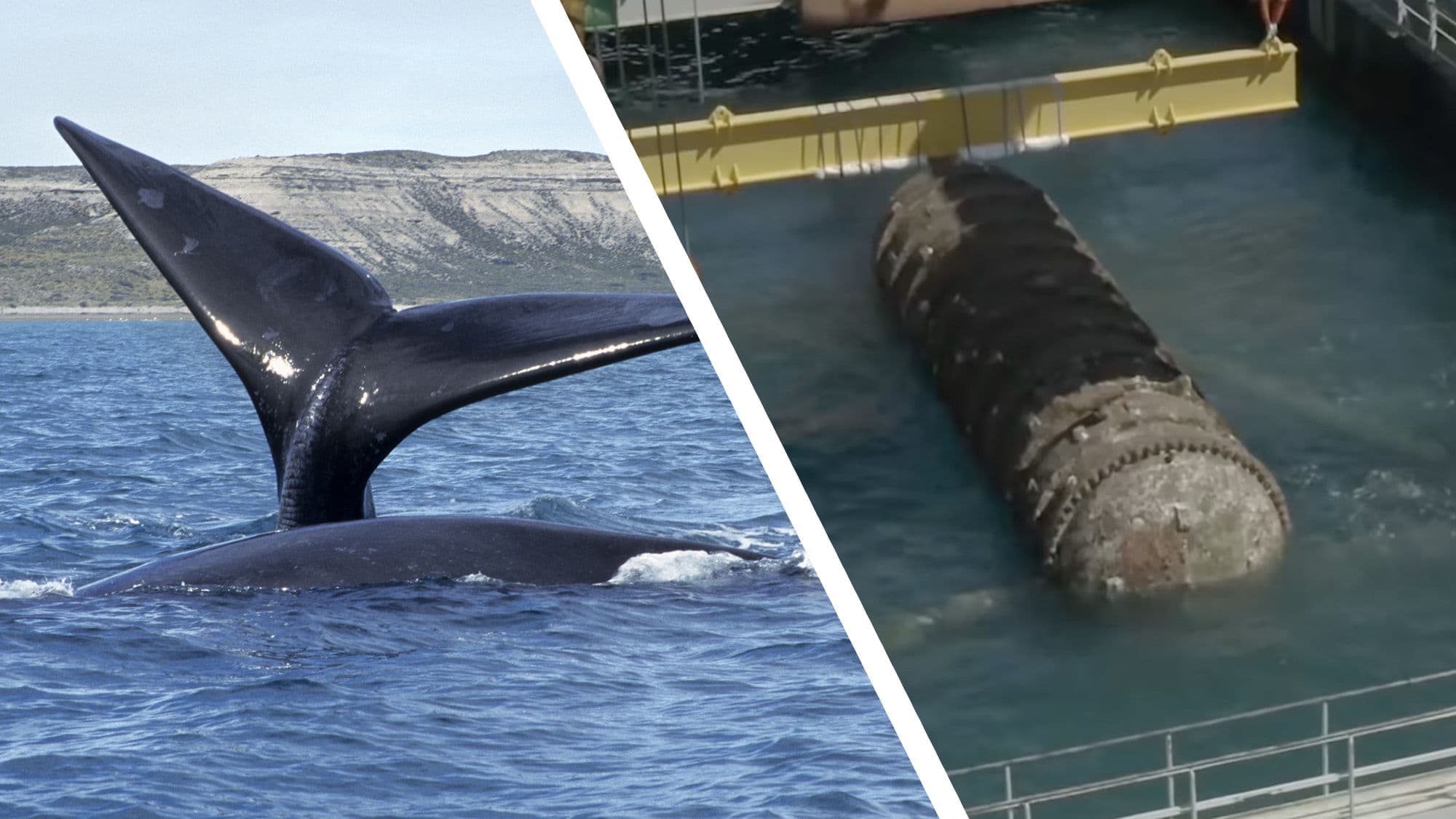
DeepGreen Holdings has proposed constructing underwater data centers spanning 1,650 acres off the coasts of Maine and Alaska. The project includes 66 compute pods and 300 tidal turbines, designed to optimize cooling for AI workloads by utilizing cold ocean water. The proposed locations—the Gulf of Maine near Western Passage and Upper Cook Inlet—are critical habitats for endangered whale species, including the North Atlantic right whale and Cook Inlet beluga whale.
Critics argue that the construction and operation of these data centers could disrupt whale populations through noise pollution and heat displacement. Whales rely on echolocation for feeding, navigation, and social interactions, and the noise generated by the project may interfere with these behaviors. Additionally, the heat emitted by the data centers could disperse cold-water prey, further threatening whale survival.
Backlash from environmental groups
The proposal has faced significant opposition from researchers, environmental organizations, and the public. Cooper Freeman, a representative of the Alaska Center for Biological Diversity, has been vocal about the potential risks, emphasizing the fragility of the ecosystems in question. The project’s environmental impact assessment is expected to face rigorous scrutiny as it progresses through regulatory reviews.
What this means
Lazyfounder analysis — our interpretation, not reported fact.
DeepGreen Holdings’ proposal reflects a broader tension in the AI and data center industries between innovation and environmental responsibility. For founders and operators, this case underscores the importance of early and transparent engagement with regulators and stakeholders, particularly when projects intersect with protected ecosystems. The backlash also signals a growing expectation for AI infrastructure projects to prioritize sustainability and mitigate ecological risks, which could influence future permitting and investment decisions.
Related on Lazyfounder
Sources
- TechRadar · 2026-10-29
'We're deeply concerned': Underwater AI data centers proposed for Maine and Alaska — but critics say they could endanger whale species
This story is an original summary drafted with AI by Lazyfounder from the reporting listed above and checked by automated validation. Facts are attributed to their original publishers; sections marked as analysis are Lazyfounder's. Where a source is in another language, facts were machine-translated and quotations are reported, not reproduced. Read the original coverage via the links, and see our AI policy and corrections policy.

About the author
Editor, Lazyfounder
Tarun Mottlia edits LazyFounders, covering Indian startups, funding rounds, AI and product launches. Every story on the site is AI-assisted and checked against its cited sources before publication.
More stories by Tarun MottliaGet the LazyFounder Brief
Startup, funding and AI news in a five-minute read. Join the early-access list.
