
Cyberattack on European supermarket freezers spoils food
Supermarket chains in five European countries have been hit by a cyberattack that disabled refrigeration systems, raising temperatures to 50°C and forcing grocers to discard spoiled food. The incident mirrors a similar attack on over 400 French supermarkets in October 2026 and raises concerns about the security of IoT-enabled critical infrastructure.

Editor, Lazyfounder
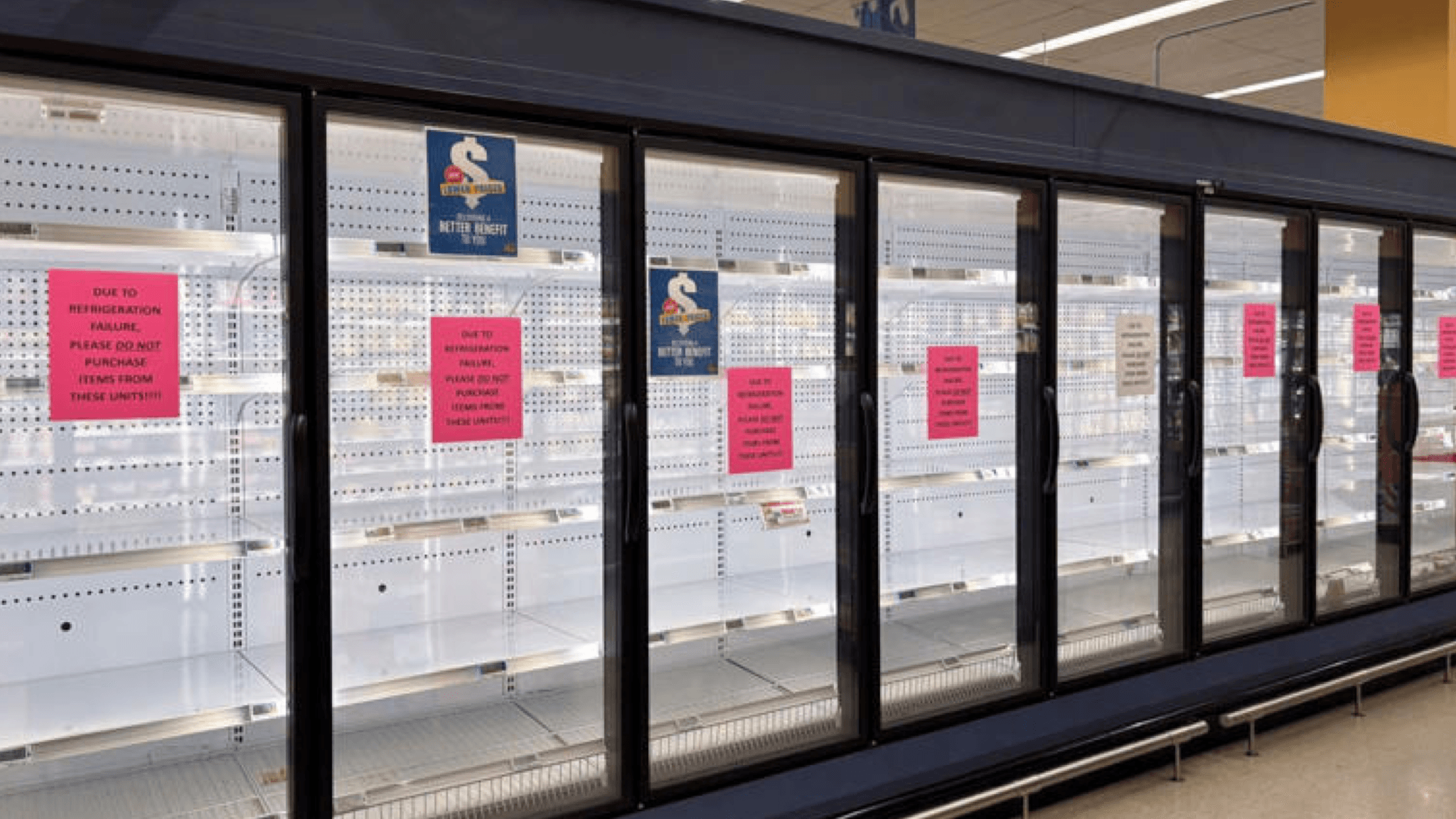
TABLE OF CONTENTS
KEY HIGHLIGHTS
- Cyberattack on supermarket freezers in Ireland, Sweden, Belgium, Luxembourg, and Estonia raised temperatures to 50°C, forcing grocers to discard spoiled food.
- Over 400 French supermarkets were hit by a similar attack in October 2026, targeting outdated refrigeration systems.
- The attack exploits weak authentication and software flaws in remote IoT-managed refrigeration systems.
- The US military is investigating comparable vulnerabilities at six domestic bases.
Freezers targeted across Europe
On November 2, 2026, supermarket chains in Ireland, Sweden, Belgium, Luxembourg, and Estonia reported that freezers in multiple locations had been compromised in a coordinated cyberattack. Attackers remotely raised temperatures to 50°C, rendering perishable stock unsafe and forcing grocers to discard large quantities of food, according to TechRadar.
Weaknesses in IoT refrigeration systems
The attack exploited weak authentication and unpatched software in remote refrigeration management systems, which are increasingly connected via the Internet of Things (IoT). Older models, such as those targeted in France in October 2026, often lack the ability to receive security updates, leaving them vulnerable to repeated attacks. The incident mirrors vulnerabilities the US military is currently investigating at six domestic bases, where similar IoT-managed systems are in use.
Broader implications for food security
The European Food Commissioner has previously warned about the weaponisation of food systems, suggesting that such attacks could be part of broader hybrid warfare strategies. While the motive behind this attack remains unclear, possibilities include state-sponsored disruption, cybercriminal extortion, or malicious testing of vulnerabilities by independent actors.
Previous incident in France
This attack follows a similar incident in October 2026, when over 400 supermarkets in France were affected by a cyberattack on their refrigeration systems. Investigations at the time revealed that the targeted freezers were older models, which could not be updated to address newly identified security flaws. The recurrence highlights persistent risks in critical infrastructure reliant on outdated IoT technology.
What this means
Lazyfounder analysis — our interpretation, not reported fact.
This attack is a stark reminder that cyber-physical threats are no longer hypothetical. For founders in retail, logistics, or food production, it underscores the urgency of treating IoT hardware as part of the attack surface—not just an operational tool. The financial and reputational damage from spoiled inventory and supply chain disruption can outweigh the cost of proactive security measures. For investors, the incident signals growing demand for solutions that secure legacy infrastructure, particularly in industries where hardware lifecycles are long and upgrades are costly.
Key takeaways
- Retailers using IoT-enabled refrigeration must audit third-party hardware for unpatched vulnerabilities and enforce multi-factor authentication for remote access.
- Food security risks from cyberattacks are escalating, with potential ties to hybrid warfare tactics; operators should align cybersecurity strategies with national critical infrastructure guidelines.
- The financial impact of spoilage and operational disruption highlights the need for contingency plans, including insurance coverage for cyber-physical incidents.
Related on Lazyfounder
Sources
- TechRadar · 2026-11-02
Supermarket freezers across Europe hit by fresh 'Cold War' cyberattack — temperatures raised to 50C forcing grocers to throw away food
This story is an original summary drafted with AI by Lazyfounder from the reporting listed above and checked by automated validation. Facts are attributed to their original publishers; sections marked as analysis are Lazyfounder's. Where a source is in another language, facts were machine-translated and quotations are reported, not reproduced. Read the original coverage via the links, and see our AI policy and corrections policy.

About the author
Editor, Lazyfounder
Tarun Mottlia edits LazyFounders, covering Indian startups, funding rounds, AI and product launches. Every story on the site is AI-assisted and checked against its cited sources before publication.
More stories by Tarun MottliaGet the LazyFounder Brief
Startup, funding and AI news in a five-minute read. Join the early-access list.
