
Cornwall’s gleaning group saves £1m in produce but warns of crisis ahead
Gleaning Cornwall, a volunteer-led group, has saved £1 million worth of surplus fruit and vegetables since 2020 and redistributed it to food banks across the South West. However, the organization warns that rising costs and increased demand for food aid threaten its future operations, highlighting the challenges faced by initiatives tackling food waste and poverty.

Editor, Lazyfounder
30 SEC SUMMARY
- Gleaning Cornwall, a volunteer-led initiative, has rescued £1 million worth of surplus fruit and vegetables since 2020.
- The group has redistributed over 460 tonnes of produce to food banks and community organizations across the South West.
- Rising costs and increased demand threaten the sustainability of the group’s operations.
- Food bank usage in Cornwall has surged, with 180 food aid settings now active compared to 20 in 2015.
- 30% of children in Cornwall live in food poverty, highlighting the critical need for such initiatives.
TABLE OF CONTENTS
KEY HIGHLIGHTS
- Gleaning Cornwall has rescued £1 million worth of surplus fruit and vegetables since 2020.
- The group has redistributed over 460 tonnes of produce to 160 food banks and community organizations across the South West.
- Food bank usage in Cornwall has increased ninefold since 2015, with 180 food aid settings now active.
- Rising transport, storage, and coordination costs threaten the group’s ability to continue operations.
- 30% of children in Cornwall live in food poverty, according to reports.
What Gleaning Cornwall has achieved
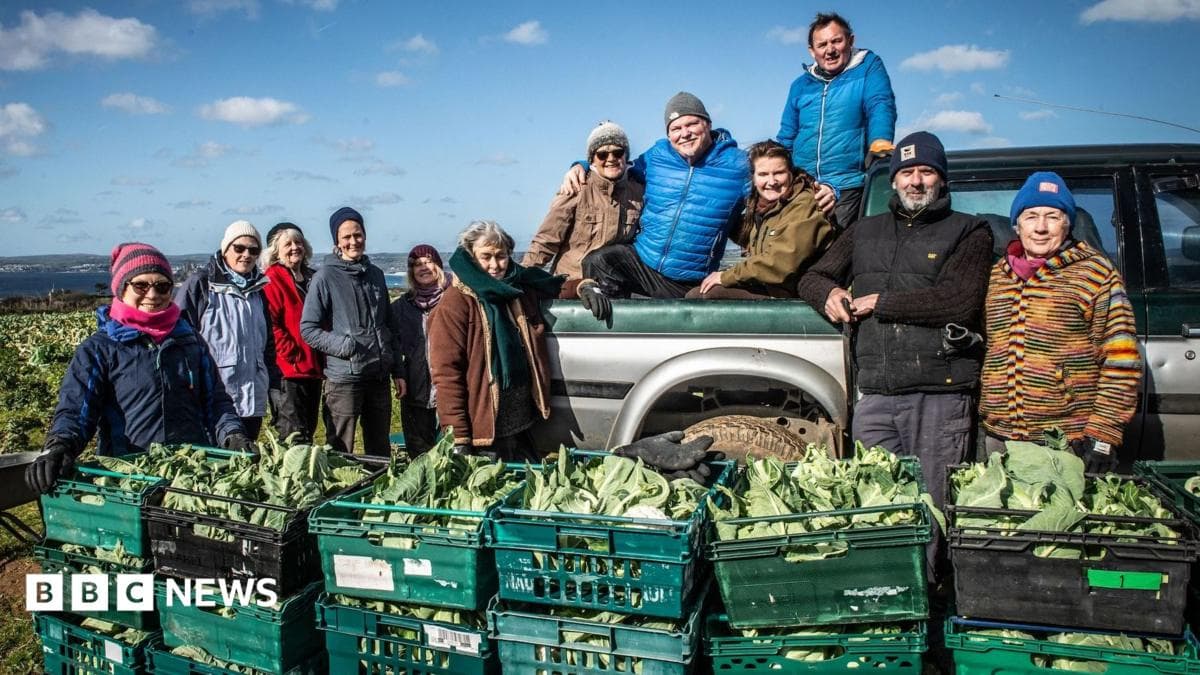
Since its launch in 2020, Gleaning Cornwall has rescued over 460 tonnes of surplus fruit and vegetables, valued at £1 million. According to BBC News, the group collects produce that would otherwise be left in fields and redistributes it to food banks, community larders, and kitchens across the South West.
The initiative relies on volunteers to harvest and deliver the produce, ensuring it reaches those in need. The group’s model stipulates that all redistributed food must be provided free of charge to recipients.
Gleaning Cornwall currently supports 160 food aid settings and feeds approximately 11,000 people every week.
Rising demand and financial pressures
The group has warned that rising operational costs—particularly for transport, storage, and coordination—are threatening its ability to continue operations. BBC News reports that these financial pressures are compounded by increasing demand for food aid in the region.
Food bank usage in Cornwall has surged in recent years. In 2015, there were 20 known food aid settings in the county; today, there are 180. Between April 2024 and March 2025, the Trussell Trust distributed over 35,500 emergency food parcels in Cornwall alone.
The rise in food poverty is also stark: reports indicate that 30% of children in Cornwall live in food poverty, highlighting the critical need for initiatives like Gleaning Cornwall.
Why food waste persists alongside food poverty
Holly Whitelaw, founder of Gleaning Cornwall, emphasized that wasting food also means wasting the energy and resources invested in producing it. She stated that utilizing existing resources not only saves money but also benefits the environment.
Abi Stuart, a researcher on food poverty, reportedly described the situation as a "paradox," where surplus food goes to waste while demand for food aid continues to grow. This disconnect underscores the need for systemic solutions to bridge the gap between food waste and food insecurity.
What this means
Lazyfounder analysis — our interpretation, not reported fact.
Gleaning Cornwall’s work underscores the growing gap between food waste and food poverty—a paradox that persists even in regions like Cornwall, where agriculture is a cornerstone of the local economy. For founders and operators, this story is a reminder that logistical challenges—transport, storage, and volunteer coordination—can make or break even the most impactful initiatives. The reliance on volunteers and donations also raises questions about scalability and long-term resilience, particularly as demand for food aid continues to rise. While the model is inspiring, it may not be sustainable without structural funding or innovative solutions to reduce operational costs.
Key takeaways
- Food waste reduction initiatives like Gleaning Cornwall play a critical role in addressing food poverty but face sustainability challenges.
- Operational costs, such as transport and storage, are rising sharply and could threaten the viability of volunteer-led groups.
- The surge in food bank usage reflects deeper systemic issues, including child food poverty, which requires urgent attention from policymakers and community leaders.
- Founders in the non-profit or social enterprise space must prioritize cost efficiency and scalability to ensure long-term impact.
FAQ
How does Gleaning Cornwall operate?
Gleaning Cornwall relies on volunteers to collect surplus fruit and vegetables from harvested fields. The produce is then delivered to food banks, community larders, and kitchens across the South West, all free of charge to recipients.
What challenges is Gleaning Cornwall facing?
The group is grappling with rising costs for transport, storage, and coordination, which threaten its ability to sustain operations. Increased demand for food aid in Cornwall has also strained its resources.
How significant is food poverty in Cornwall?
Food poverty in Cornwall is a growing issue, with 30% of children in the county living in food poverty. Food bank usage has also surged, with 180 food aid settings now active compared to just 20 in 2015.
Related on Lazyfounder
Sources
- BBC News (Tech & Business) · 2026-10-18
Cornish gleaning group hits million milestone for food banks
This story is an original summary drafted with AI by Lazyfounder from the reporting listed above and checked by automated validation. Facts are attributed to their original publishers; sections marked as analysis are Lazyfounder's. Where a source is in another language, facts were machine-translated and quotations are reported, not reproduced. Read the original coverage via the links, and see our AI policy and corrections policy.

About the author
Editor, Lazyfounder
Tarun Mottlia edits LazyFounders, covering Indian startups, funding rounds, AI and product launches. Every story on the site is AI-assisted and checked against its cited sources before publication.
More stories by Tarun MottliaGet the LazyFounder Brief
Startup, funding and AI news in a five-minute read. Join the early-access list.
