
Citroen revives 2CV as affordable electric concept to compete with Chinese EVs
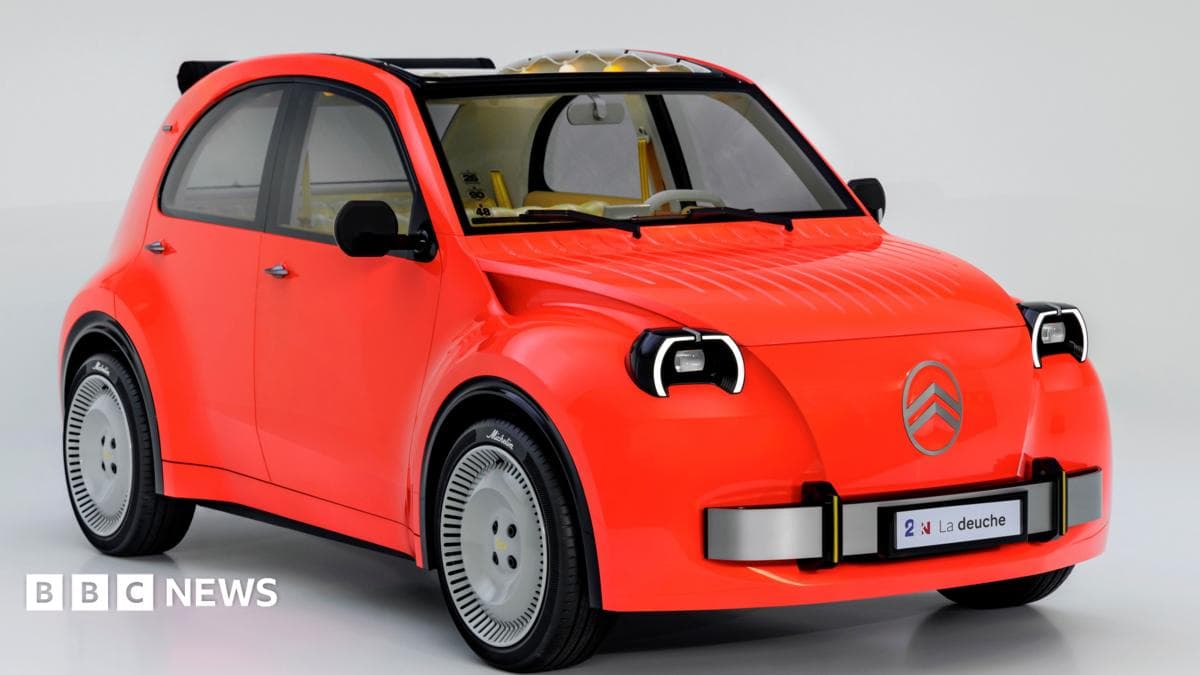
Citroen has unveiled a concept electric vehicle inspired by its iconic 2CV model, aiming to combine retro styling with affordability to compete in a crowded market. The new model, targeting a sub-£15,000 price and a 2028 showroom launch, is part of a broader trend of European carmakers reviving heritage designs to counter Chinese EV manufacturers.

Editor, Lazyfounder
30 SEC SUMMARY
- Citroen has unveiled a concept electric vehicle inspired by its iconic 2CV model at the Paris Motor Show.
- The new 2CV is a retro-styled concept car, with a planned showroom launch by 2028 and a target price below £15,000.
- Citroen aims to leverage heritage and nostalgia to compete with Chinese EV manufacturers in a crowded market.
- Other carmakers like Renault, BMW, and Fiat are also reviving retro designs to appeal to consumers.
TABLE OF CONTENTS
- Citroen’s retro EV concept debuts at Paris Motor Show
- 2028 showroom launch planned with sub-£15,000 price tag
- Why Citroen and rivals are betting on retro designs
- Competition from Chinese EV makers drives heritage strategy
- Other carmakers join the retro revival trend
- Consumer scepticism and the limits of retro styling
- The original 2CV: A cultural icon with lasting appeal
- What this means
- Key takeaways
- FAQ
- Sources
KEY HIGHLIGHTS
- Citroen unveiled a concept electric vehicle inspired by its historic 2CV model at the Paris Motor Show.
- The new 2CV is expected to launch in showrooms by 2028, with a target price below £15,000.
- The original 2CV, launched in 1948, became a cultural icon and remained in production for over 40 years.
- European carmakers, including Renault, BMW, and Fiat, are reviving retro designs to counter competition from Chinese EV manufacturers.
Citroen’s retro EV concept debuts at Paris Motor Show
Citroen has unveiled a concept electric vehicle inspired by its historic 2CV model at the Paris Motor Show. According to BBC News (Tech & Business), the new model is a small city car designed to evoke the retro styling of one of Citroen’s most famous designs. The concept car is not yet ready for sale but signals the company’s strategic direction.
2028 showroom launch planned with sub-£15,000 price tag
The new 2CV is expected to arrive in showrooms by 2028, with Citroen targeting a price below £15,000. Thispositions the vehicle as an affordable entry into the electric car market, a segment where Chinese manufacturers have gained significant traction. The pricing strategy reflects Citroen’s aim to appeal to cost-conscious consumers while leveraging its heritage brand.
Why Citroen and rivals are betting on retro designs
European carmakers, including Citroen, Renault, BMW, and Fiat, are increasingly turning to retro designs to differentiate themselves in a crowded market. According to BBC News (Tech & Business), this trend has accelerated as companies seek ways to appeal to consumers sceptical of electric vehicles. Retro styling is seen as a way to evoke emotional connections with older audiences while attracting younger buyers drawn to vintage aesthetics.
Competition from Chinese EV makers drives heritage strategy
Citroen’s focus on heritage branding is partly a response to the existential threat posed by Chinese EV manufacturers. Industry observers, as reported by BBC News (Tech & Business), note that Chinese brands are targeting Europe with aggressively priced, technologically advanced vehicles. By reviving the 2CV, Citroen aims to counter this competition by appealing to consumers’ emotional connections with its historic models.
Other carmakers join the retro revival trend
Citroen is not alone in reviving retro designs. Renault has already launched the Renault 5 E-Tech, which echoes the boxy styling of the original Renault 5, and plans to reintroduce the Renault 4 and Twingo brands. BMW’s modern Minis retain styling cues from the original British model, while Fiat has sold a retro-styled 500 for the past two decades. Ford is alsorumoured to be working on an electric version of its iconic Fiesta. These efforts reflect a broader industry shift toward nostalgia as a marketing tool.
Consumer scepticism and the limits of retro styling
While retro designs can evoke nostalgia, their success is not guaranteed. According to Rachel Burgess, Senior Editor at Autocar magazine, an older audience may feel warmth toward the original models, but younger consumers might not share the same emotional connection. Additionally, affordability and modern functionality will be key factors in determining whether retro-inspired EVs can compete with the latest offerings from Chinese manufacturers.
The original 2CV: A cultural icon with lasting appeal
The original Citroen 2CV, launched in 1948, was designed as a cheap, robust vehicle for rural communities in France. It featured distinctive elements like high wheel arches, soft suspension, and a tall roof, allowing drivers to wear hats while seated. The 2CV remained in production for over 40 years, becoming a cult classic and a symbol of practical, no-frills motoring. Its enduring appeal is central to Citroen’s strategy for the new electric version.
What this means
Lazyfounder analysis — our interpretation, not reported fact.
Citroen’s revival of the 2CV as an electric vehicle is a bet on nostalgia as a competitive edge. In a market dominated by cutting-edge technology and aggressive pricing from Chinese manufacturers, heritage branding offers a way to stand out. However, retro styling alone won’t guarantee success—execution, pricing, and consumer trust will be critical. For founders, this trend highlights an opportunity: products that blend familiarity with innovation can resonate across generations. The challenge lies in ensuring the modern iteration delivers on the original’s appeal without being trapped in the past.
Key takeaways
- Retro styling and heritage branding can be a differentiating factor in a competitive EV market, but success depends on execution and pricing.
- Founders targeting nostalgia-driven markets should balance innovation with familiarity to appeal to both older and younger audiences.
- Affordability is critical for mass-market EV adoption; Citroen’s sub-£15,000 target could set a benchmark for entry-level EVs.
- Competition from Chinese manufacturers is pushing European carmakers to explore niche strategies, including retro revival, to maintain market share.
FAQ
Why is Citroen reviving the 2CV as an electric vehicle?
Citroen is leveraging the 2CV’s iconic status and retro appeal to differentiate itself in a competitive electric vehicle market. The strategy aims to evoke nostalgia while targeting affordability to counter competition from Chinese EV manufacturers.
How much will the new 2CV cost, and when will it be available?
Citroen plans to price the new 2CV below £15,000 and aims to launch it in showrooms by 2028.
Are other carmakers also reviving retro designs?
Yes, several carmakers, including Renault, BMW, Fiat, and Ford, are reviving retro designs or incorporating retro styling into modern vehicles to appeal to consumers.
Related on Lazyfounder
Sources
- BBC News (Tech & Business) · 2026-10-11
Citroen revives historic 2CV for an electric age
This story is an original summary drafted with AI by Lazyfounder from the reporting listed above and checked by automated validation. Facts are attributed to their original publishers; sections marked as analysis are Lazyfounder's. Where a source is in another language, facts were machine-translated and quotations are reported, not reproduced. Read the original coverage via the links, and see our AI policy and corrections policy.

About the author
Editor, Lazyfounder
Tarun Mottlia edits LazyFounders, covering Indian startups, funding rounds, AI and product launches. Every story on the site is AI-assisted and checked against its cited sources before publication.
More stories by Tarun MottliaGet the LazyFounder Brief
Startup, funding and AI news in a five-minute read. Join the early-access list.