
China’s Q3 2026 growth picks up but falls short of target amid property slump
China’s economy grew by 4.5% in the third quarter of 2026, slightly up from 4.3% in the previous quarter but below the government’s annual target range of 4.5%-5%. While exports, particularly in AI-related technology, have driven growth, domestic challenges like a prolonged property slump and weak consumer spending continue to weigh on the outlook.

Editor, Lazyfounder
30 SEC SUMMARY
- China's economic growth rose to 4.5% in Q3 2026, up from 4.3% in the previous quarter, but remained below the government's annual target of 4.5%-5%.
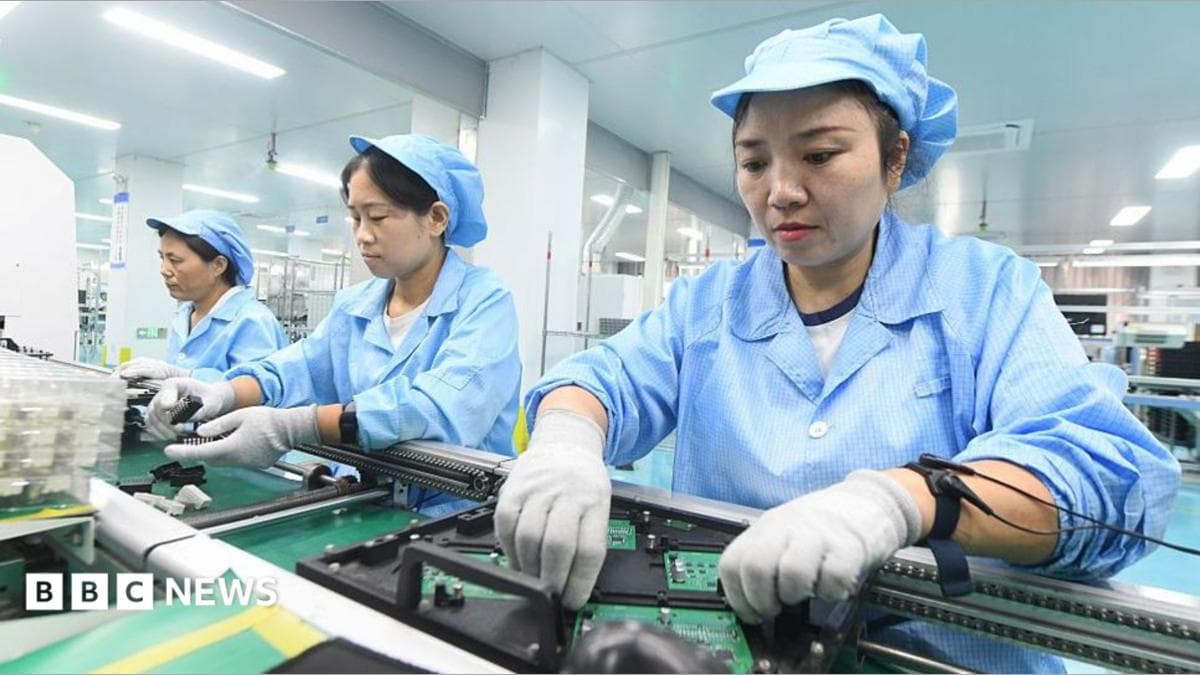
- Exports, particularly in AI-related technology like computer chips, drove growth, offsetting weak domestic spending and a slump in the property market.
- China's trade surplus is on track to surpass the 2025 record of $1.2tn, despite global trade tensions and geopolitical uncertainties.
- Beijing introduced measures such as lower interest rates and subsidies for property buyers to stimulate the economy.
- Property investment fell by over 20% in the first nine months of 2026 compared to the same period in 2025.
TABLE OF CONTENTS
KEY HIGHLIGHTS
- China's GDP growth reached 4.5% in Q3 2026, up from 4.3% in the previous quarter but below the 5% growth recorded in Q1 2026.
- Exports, driven by global demand for AI-related technology, helped offset weak domestic spending and a prolonged property slump.
- China's trade surplus is on track to exceed the 2025 record of $1.2tn.
- Property investment declined by over 20% in the first nine months of 2026 compared to the same period in 2025.
- Beijing implemented measures such as lower interest rates and subsidies for property buyers to boost economic activity.
Growth picks up but remains below target
China’s economy grew by 4.5% in the third quarter of 2026, up from 4.3% in the previous quarter, according to reports from BBC News. However, this growth remains below the 5% expansion recorded in the first quarter of the year and sits at the lower end of Beijing’s annual target range of 4.5%-5%.
Analysts suggest the growth target provides policymakers with some flexibility to address ongoing economic challenges, including a slump in the property market and weak domestic spending.
Exports drive growth amid domestic weakness
The technology sector, particularly exports of AI-related products like computer chips and components for AI data centres, has been a key driver of China’s economic growth in recent quarters. According to BBC News, global demand for these products has helped offset weak spending at home, where consumer confidence remains low due to trade uncertainties and geopolitical tensions.
China’s trade surplus is on track to surpass the record $1.2tn set in 2025, despite pushback from Western economies like the US and European Union, which are resisting the influx of cheap Chinese goods.
Property slump and government measures
The property market, a long-standing pillar of China’s economy, continues to struggle. Property investment fell by over 20% in the first nine months of 2026 compared to the same period in 2025, following years of overbuilding and excessive borrowing by private developers. Reports indicate no signs of an imminent recovery in this sector.
In response, Beijing introduced measures in September 2026 to stimulate growth, including lower interest rates for some businesses and subsidies for property buyers. However, these steps have yet to significantly reverse the downturn.
Context for China’s economic challenges
China’s economic struggles occur against a backdrop of global trade tensions and shifting geopolitical dynamics. Recent high-level discussions between Chinese and US leaders, such as the meeting between Xi Jinping and Donald Trump, have focused on AI governance and trade, but underlying disagreements persist.
The European Union’s regulatory frameworks, like the AI Act, are also shaping global standards, adding another layer of complexity to China’s trade relationships. Meanwhile, domestic challenges such as weak wage growth and high youth unemployment continue to dampen consumer spending.
What this means
Lazyfounder analysis — our interpretation, not reported fact.
China’s latest growth figures reflect a mixed outlook for the world’s second-largest economy. While exports, particularly in AI and high-tech sectors, are providing a much-needed boost, domestic weaknesses—such as the property slump and low consumer confidence—remain stubborn challenges. For founders and operators, this environment underscores the importance of diversifying revenue streams and reducing reliance on domestic demand, especially in sectors like real estate that are facing structural headwinds.
The global pushback against cheap Chinese exports also signals potential risks for manufacturers, who may need to adapt to rising trade barriers or shift focus toward higher-value products. Meanwhile, Beijing’s stimulus measures suggest a recognition of these challenges, but their effectiveness remains uncertain. Founders should monitor policy changes closely, as further interventions could create opportunities or distortions in the market.
Key takeaways
- Founders and operators in China should diversify revenue streams to mitigate reliance on domestic spending, which remains weak due to property market struggles and low consumer confidence.
- Export-driven sectors, particularly AI and high-tech manufacturing, are key growth areas and may offer opportunities for scaling despite global trade tensions.
- Trade barriers from Western economies could impact Chinese manufacturers, making it critical to adapt by focusing on higher-value products or exploring new markets.
- Government stimulus measures, such as subsidies and lower interest rates, may create short-term opportunities, but their long-term impact on the property market and consumer spending remains uncertain.
- Geopolitical and trade uncertainties require businesses to stay agile and monitor policy developments that could affect market conditions.
FAQ
Why is China’s economic growth still below its annual target?
China’s growth of 4.5% in Q3 2026 is below the government’s target range of 4.5%-5% due to persistent challenges, including a property market slump, weak domestic spending, and global trade tensions. While exports, particularly in AI-related technology, have driven growth, these domestic headwinds continue to weigh on the economy.
How are exports driving China’s economic growth?
Exports, especially of AI-related products like computer chips and components for AI data centres, have been a major growth driver. Global demand for these products has helped offset weak domestic spending and a decline in property investment, contributing to a record trade surplus.
What measures has Beijing taken to boost the economy?
Beijing introduced measures such as lower interest rates for some businesses and subsidies for property buyers to stimulate economic activity. However, these steps have yet to significantly reverse the downturn in the property market or boost consumer confidence.
Related on Lazyfounder
Sources
- BBC News (Tech & Business) · 2026-10-19
China's economic growth picks up as AI boom boosts exports - BBC News (Tech & Business) · 2026-10-19
China's economic growth picks up as AI boom boosts exports - BBC News (Tech & Business) · 2026-10-19
China economy: Growth accelerates as AI export boom outweighs domestic weakness
This story is an original summary drafted with AI by Lazyfounder from the reporting listed above and checked by automated validation. Facts are attributed to their original publishers; sections marked as analysis are Lazyfounder's. Where a source is in another language, facts were machine-translated and quotations are reported, not reproduced. Read the original coverage via the links, and see our AI policy and corrections policy.

About the author
Editor, Lazyfounder
Tarun Mottlia edits LazyFounders, covering Indian startups, funding rounds, AI and product launches. Every story on the site is AI-assisted and checked against its cited sources before publication.
More stories by Tarun MottliaGet the LazyFounder Brief
Startup, funding and AI news in a five-minute read. Join the early-access list.
