
Chemical companies knew of microplastics health risks for 50 years, documents reveal
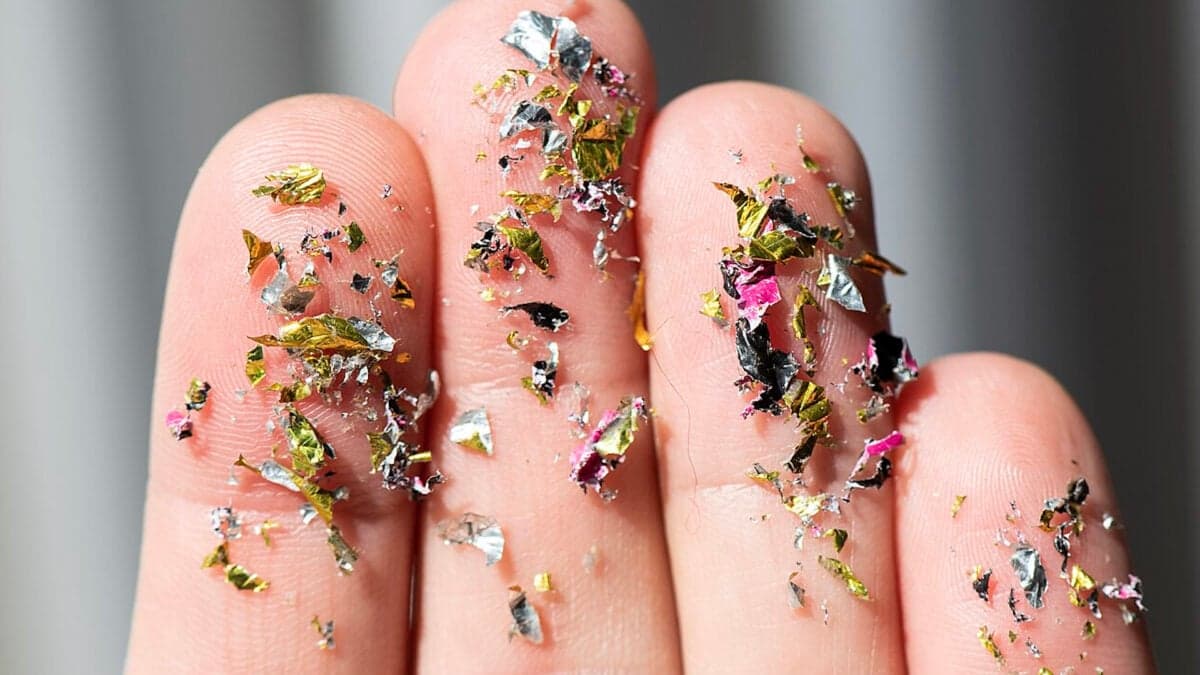
A Los Angeles Times investigation has uncovered internal documents showing chemical companies have been aware of microplastics infiltrating human bodies for at least 50 years. This revelation coincides with a new study in Nature, which presents fresh evidence linking microplastics to biological damage and serious health issues, including heart attacks, cancers, and reproductive problems.

Editor, Lazyfounder
KEY HIGHLIGHTS
- Chemical companies have known about microplastics infiltrating human bodies for at least 50 years, based on internal documents revealed by a Los Angeles Times investigation.
- A study published in Nature provides new evidence linking microplastics to biological damage and health issues, including heart attacks, cancers, and reproductive problems.
- Microplastics have been detected in nearly all human populations and throughout the human body, challenging long-held assumptions about their inertness.
- Industry executives referred to early research on microplastics as a ‘horror story’ but continued to debate its implications.
Industry awareness dates back decades
Internal documents obtained by the Los Angeles Times reveal that scientists and executives in the plastics industry have been aware of microplastics contaminating human bodies since at least the 1970s. Among the earliest warnings was a 1974 study by German scientist Gerhard Volkheimer, which demonstrated that ingested PVC plastic could infiltrate animal organs, including the liver, brain, and lungs, within two hours. Volkheimer’s research also showed that potato starch—used as a proxy for PVC—appeared in human blood and breast milk after ingestion.
A 1975 letter from a Union Carbide executive described Volkheimer’s findings as a ‘horror story’ but noted that the industry continued to debate the implications of his research. Documents show the industry cited his work through the 1970s, 1980s, and 1990s, even as evidence of microplastics’ potential harm mounted.
New evidence links microplastics to biological damage
A study published in Nature provides some of the strongest evidence yet that microplastics are not inert once they enter the human body. Led by Wei Min, a professor of chemistry and biomedical engineering at Columbia University, the research suggests that microplastics may cause biological damage, challenging long-held assumptions about their safety.
The study highlights a potential mechanism for harm: microplastics could generate reactive oxygen species (ROS) inside the body. ROS are known to contribute to cellular damage and have been linked to a range of health issues, including heart attacks, certain cancers, and reproductive problems.
Tracey Woodruff, a professor of epidemiology and population health at Stanford University, emphasized the significance of these findings, stating that microplastics have been detected in nearly all human populations and throughout the body. This widespread exposure raises questions about the long-term health consequences of plastic pollution.
Industry response and public health implications
Despite early awareness of the risks, the plastics industry’s response has been mixed. Craig Davis, senior director of plastics chemistry at the American Chemistry Council, acknowledged the growing body of research but framed microplastics as a complex environmental issue requiring further study. Meanwhile, public health advocates argue that the industry’s prolonged awareness of the risks underscores the need for urgent action.
The findings arrive as microplastics become an increasingly contentious topic in regulatory and scientific circles. Their detection in human tissues, blood, and even placentas has intensified calls for stricter controls on plastic production and pollution.
What this means
Lazyfounder analysis — our interpretation, not reported fact.
This story matters because it exposes a decades-long disconnect between private industry knowledge and public awareness of microplastics’ health risks. For founders and operators, the revelations could accelerate regulatory scrutiny, litigation, and consumer demand for plastic-free alternatives. Startups in materials science, packaging, and healthcare may find opportunities in developing or scaling solutions to reduce microplastic exposure. Meanwhile, industries reliant on plastics—such as food packaging, medical devices, and textiles—could face rising costs and reputational risks as the evidence of harm grows.
Key takeaways
- Founders in healthcare, environmental tech, and consumer goods may face growing regulatory and consumer pressure to address microplastics in their supply chains or products.
- The findings underscore the need for startups in materials science and packaging to prioritize alternatives to plastics, given increasing evidence of their health risks.
- Operators in industries reliant on plastics (e.g., food packaging, medical devices) should monitor emerging regulations and litigation risks tied to microplastics.
Related on Lazyfounder
Sources
- Gizmodo · 2026-10-28
Microplastics Are Infiltrating Our Bodies. Chemical Companies Saw This Coming Decades Ago
This story is an original summary drafted with AI by Lazyfounder from the reporting listed above and checked by automated validation. Facts are attributed to their original publishers; sections marked as analysis are Lazyfounder's. Where a source is in another language, facts were machine-translated and quotations are reported, not reproduced. Read the original coverage via the links, and see our AI policy and corrections policy.

About the author
Editor, Lazyfounder
Tarun Mottlia edits LazyFounders, covering Indian startups, funding rounds, AI and product launches. Every story on the site is AI-assisted and checked against its cited sources before publication.
More stories by Tarun MottliaGet the LazyFounder Brief
Startup, funding and AI news in a five-minute read. Join the early-access list.
