
Blue whale sightings vanish in Galápagos amid El Niño temperature shifts
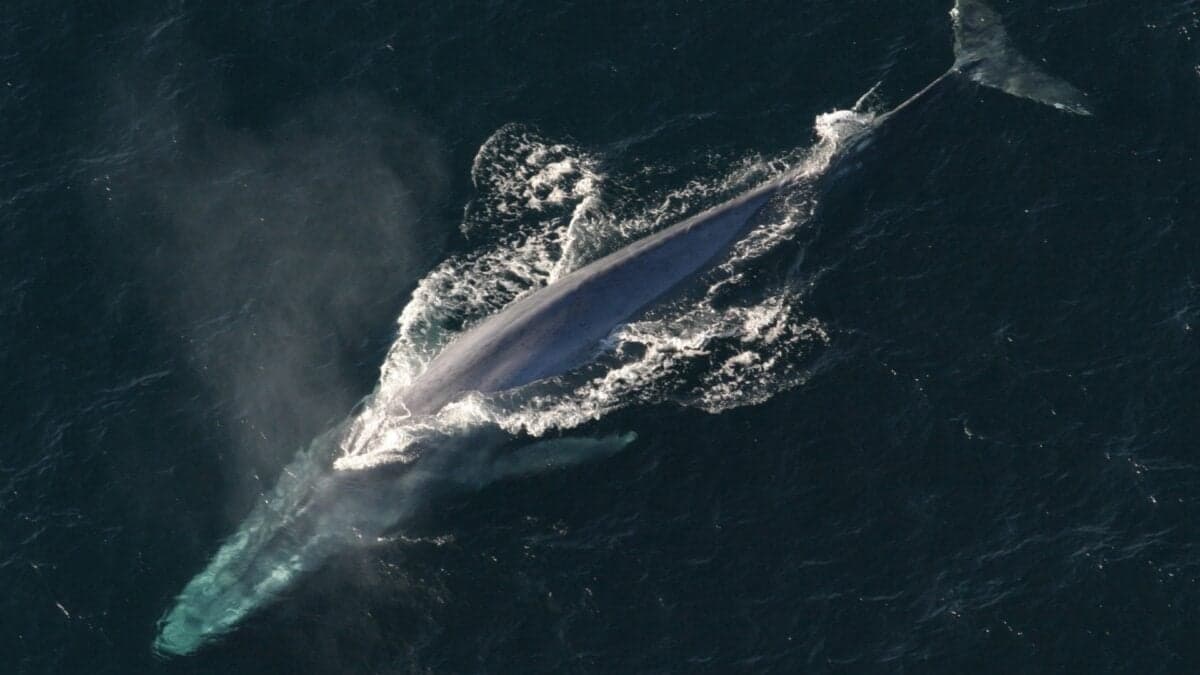
A nine-month expedition in the Galápagos Islands recorded no blue whale sightings from October 2025 to July 2026, potentially due to El Niño’s unprecedented impact on ocean temperatures. Researchers suggest the whales may have shifted their feeding grounds to cooler waters, raising concerns about the broader ecological effects of climate change.

Editor, Lazyfounder
KEY HIGHLIGHTS
- Scientists from the Galápagos National Park Directorate and Galápagos Science Center recorded no blue whale sightings during a nine-month expedition in the Galápagos Islands from October 2025 to July 2026.
- Sea surface temperatures during the expedition ranged from 77.9 to 81.6°F (25.5 to 27.6°C), exceeding regional averages.
- The isotherm layer was detected at depths of 256 to 315 feet (78 to 96 meters), significantly deeper than the typical 66 to 148 feet (20 to 45 meters).
- Ecuador declared a nationwide Red Alert in late August 2026 due to El Niño’s potential impacts.
- A blue whale and calf were sighted in September 2026, confirming the species’ presence in the region.
Expedition finds no blue whales in nine-month survey
A joint expedition by the Galápagos National Park Directorate and the Galápagos Science Center, spanning October 2025 to July 2026, recorded no sightings of blue whales in the Galápagos Islands. The team, led by Daniela Alarcón of the Universidad San Francisco de Quito and Galápagos Science Center, had planned to tag whales with satellite transmitters but was unable to do so due to their absence.
The expedition’s findings align with pre-expedition trends: sightings were already declining between August and September 2025. While blue whales typically frequent the region, the nine-month gap without observations marks an unprecedented shift in their presence.
El Niño’s role in ocean temperature shifts
Sea surface temperatures during the expedition ranged from 77.9 to 81.6°F (25.5 to 27.6°C), higher than the region’s average. The isotherm layer—a boundary marking a sudden temperature change—was detected at depths of 256 to 315 feet (78 to 96 meters), compared to the usual 66 to 148 feet (20 to 45 meters). This deeper isotherm may disrupt krill populations, the whales’ primary food source, and alter their feeding patterns.
Researchers suggest El Niño’s influence on ocean temperatures is driving this shift. A 2024 study found that the 2023 El Niño reduced primary productivity in the eastern Pacific, which could have cascading effects on marine food chains, including krill availability. While the link between temperature changes and whale behavior is not yet definitive, the correlation is raising concerns among scientists.
Ecuador’s Red Alert and a lone sighting
In late August 2026, Ecuador declared a nationwide Red Alert in response to the potential impacts of El Niño, signaling heightened preparedness for climate-related disruptions. The Galápagos Islands, a UNESCO World Heritage site and biodiversity hotspot, are particularly vulnerable to these changes.
After the expedition concluded, a blue whale and its calf were sighted in September 2026 at Punta Pitt, San Cristóbal. While the sighting confirms the species has not vanished from the Galápagos, it does not diminish the significance of their absence during the nine-month survey.
What this means
Lazyfounder analysis — our interpretation, not reported fact.
This decline in blue whale sightings in the Galápagos Islands is a stark indicator of how climate patterns like El Niño can disrupt marine ecosystems. For founders and operators in conservation, marine research, or sustainable tourism, the findings underscore the urgency of climate resilience strategies. The shift in whale behavior—potentially driven by warmer waters and deeper isotherms—could signal broader ecological changes, including shifts in migration routes, feeding grounds, or biodiversity hotspots.
For businesses tied to ecotourism or marine conservation, this may require adapting operations, such as rerouting expeditions or investing in real-time oceanographic monitoring. The absence of whales during a nine-month window also raises questions about the reliability of historical data for forecasting wildlife patterns, which could impact permits, grants, or partnerships in the region. The Red Alert declared by Ecuador further complicates fieldwork, regulatory compliance, and long-term planning for projects in the Galápagos.
Related on Lazyfounder
Sources
- Gizmodo · 2026-11-02
This Super El Niño May Be Driving Blue Whales Away From the Galápagos
This story is an original summary drafted with AI by Lazyfounder from the reporting listed above and checked by automated validation. Facts are attributed to their original publishers; sections marked as analysis are Lazyfounder's. Where a source is in another language, facts were machine-translated and quotations are reported, not reproduced. Read the original coverage via the links, and see our AI policy and corrections policy.

About the author
Editor, Lazyfounder
Tarun Mottlia edits LazyFounders, covering Indian startups, funding rounds, AI and product launches. Every story on the site is AI-assisted and checked against its cited sources before publication.
More stories by Tarun MottliaGet the LazyFounder Brief
Startup, funding and AI news in a five-minute read. Join the early-access list.
