
Women Farmers in India: The Hidden Cost of Invisibility in Agriculture - 2026
Discover the hidden cost of women's invisible work in Indian agriculture in 2026. Learn about Arya.ag's report, 'Her Harvest 2026,' and the economic impact of gender inequality.
LazyFounders
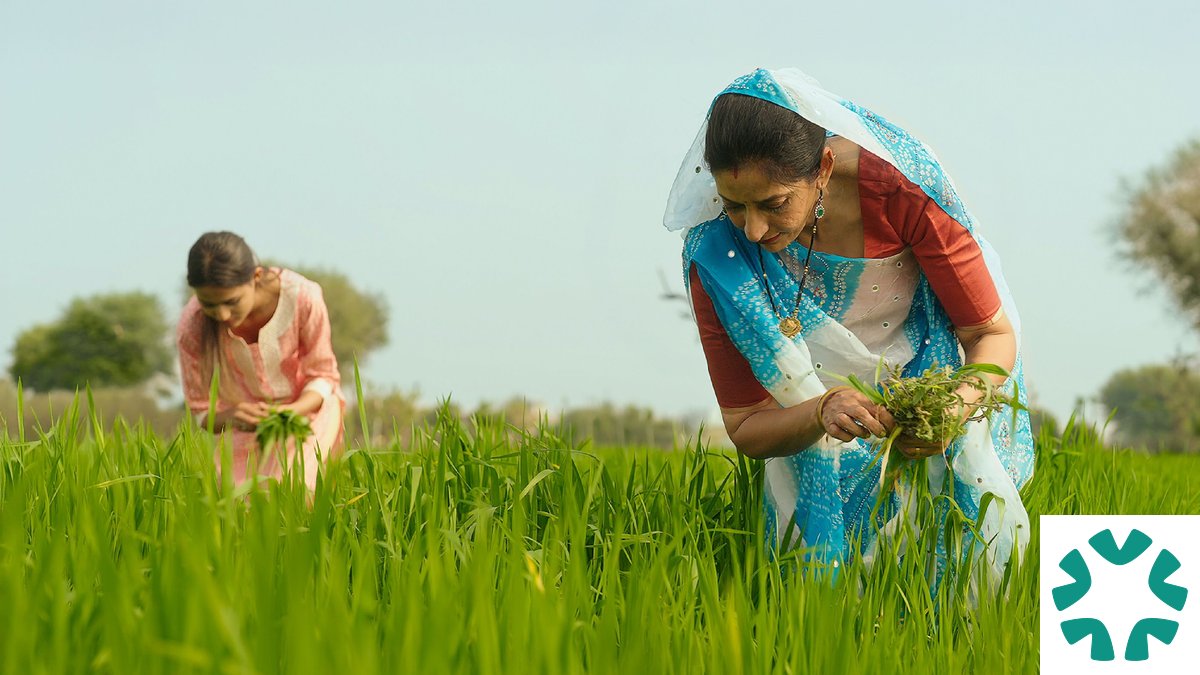

Women Farmers in India: The Hidden Cost of Invisibility in Agriculture - 2026
30 SEC SUMMARY
- The Arya.ag report 'Her Harvest 2026' reveals the economic cost of gender inequality in Indian agriculture.
- Between Rs 1.2 lakh crore and Rs 2 lakh crore in agricultural output is lost annually due to women's invisibility.
- Women account for 48% of the agricultural workforce but are often recorded as unpaid helpers.
- Solutions include recognizing women as farmers, providing financial access, equipping them with technology, and organizing them into farmer producer organizations.
TABLE OF CONTENTS
- Introduction
- The Arya.ag Report: Her Harvest 2026
- Women's Role in Indian Agriculture
- Economic Impact of Gender Inequality
- Potential Solutions
- Case Studies
- Recommendations
- Conclusion
- FAQs
KEY HIGHLIGHTS
- Annual agricultural output loss due to gender inequality: Rs 1.2 lakh crore - Rs 2 lakh crore
- Women account for 48% of the agricultural workforce
- Potential yield increase on women-run farms: 20-30%
- Arya.ag's four recommendations: count her, finance her, equip her, and organize her
Introduction
In 2026, the International Year of the Woman Farmer, a report by Arya.ag titled 'Her Harvest 2026: The Hidden Cost of Women’s Invisible Work in Indian Agriculture' sheds light on a critical issue: the invisibility of women farmers in India. Despite their significant contributions, women farmers face systemic barriers that hinder their productivity and economic empowerment.
The Arya.ag Report: Her Harvest 2026
The Arya.ag report quantifies the economic impact of gender inequality in Indian agriculture, estimating that between Rs 1.2 lakh crore and Rs 2 lakh crore in agricultural output is lost annually due to the invisibility of women farmers. This loss is not due to women's lesser capability but because they have less access to resources necessary for productive farming.
Women's Role in Indian Agriculture
Women play a crucial role in Indian agriculture. According to the report, 64% of the country’s working women are engaged in agriculture, up from 57% in 2017-18. Nearly 77% of rural working women are engaged in agriculture. Despite this, women account for roughly 48% of the agricultural workforce, up from about 30% in 2017–18, yet 50.5% are recorded as unpaid helpers rather than farmers.
Economic Impact of Gender Inequality
The economic consequences of this gender inequality are profound. Women’s farms can be 24% less productive compared to farms of the same size run by men, primarily due to unequal access to credit, inputs, and support. Women earn about Rs 82 for every Rs 100 men earn in agrifood work, while women farm workers earn 20-30% less for the same work.
Potential Solutions
Changing land records is slow and generational. However, storage, warehouse-receipt finance, farmer producer organizations, and technology can begin to separate access to agricultural resources from the question of whose name is on the deed. The report argues that finance can follow the crop rather than the title.
Case Studies
The report's stories show what happens when that access becomes available. Nita Isal, for instance, became known as “Dronewali Didi” for facilitating drone spraying services. Josma Konoje moved from agricultural labour to running an FPO, while Suman Kumari helped establish a Smart Farm Centre where interventions, including drone spraying, lowered input costs and reduced spraying time.
Recommendations
Arya.ag offers four recommendations—count her, finance her, equip her, and organize her—and a useful framework. But the larger shift required is conceptual: move women’s participation in agriculture from the welfare column into the productivity column.
Conclusion
In 2026, India’s women farmers are already producing. The opportunity lies in removing the barriers that prevent them from producing more, earning more, and controlling more of the value they create.
FAQs
What is the main focus of Arya.ag's report 'Her Harvest 2026'?
The report highlights the economic impact of gender inequality in Indian agriculture and the invisibility of women farmers.
How does gender inequality affect agricultural productivity in India?
Gender inequality leads to women’s farms being 24% less productive than those run by men due to unequal access to resources.
What are Arya.ag's four recommendations to address this issue?
Arya.ag recommends counting women as farmers, providing them with financial access, equipping them with technology, and organizing them into farmer producer organizations.
Call-to-Action
For more insights into women’s roles in agriculture and how to support them, visit blogy.in.
Sources
- yourstory.com
India’s women farmers are being left out of the system—at a cost of up to Rs 2 lakh crore a year
This story is an original summary and analysis written by LazyFounders from the reporting listed above. Facts are attributed to their original publishers; sections marked as analysis are LazyFounders's opinion. Where a source is in another language, facts were machine-translated and quotations are reported, not reproduced. Read the original coverage via the links.